

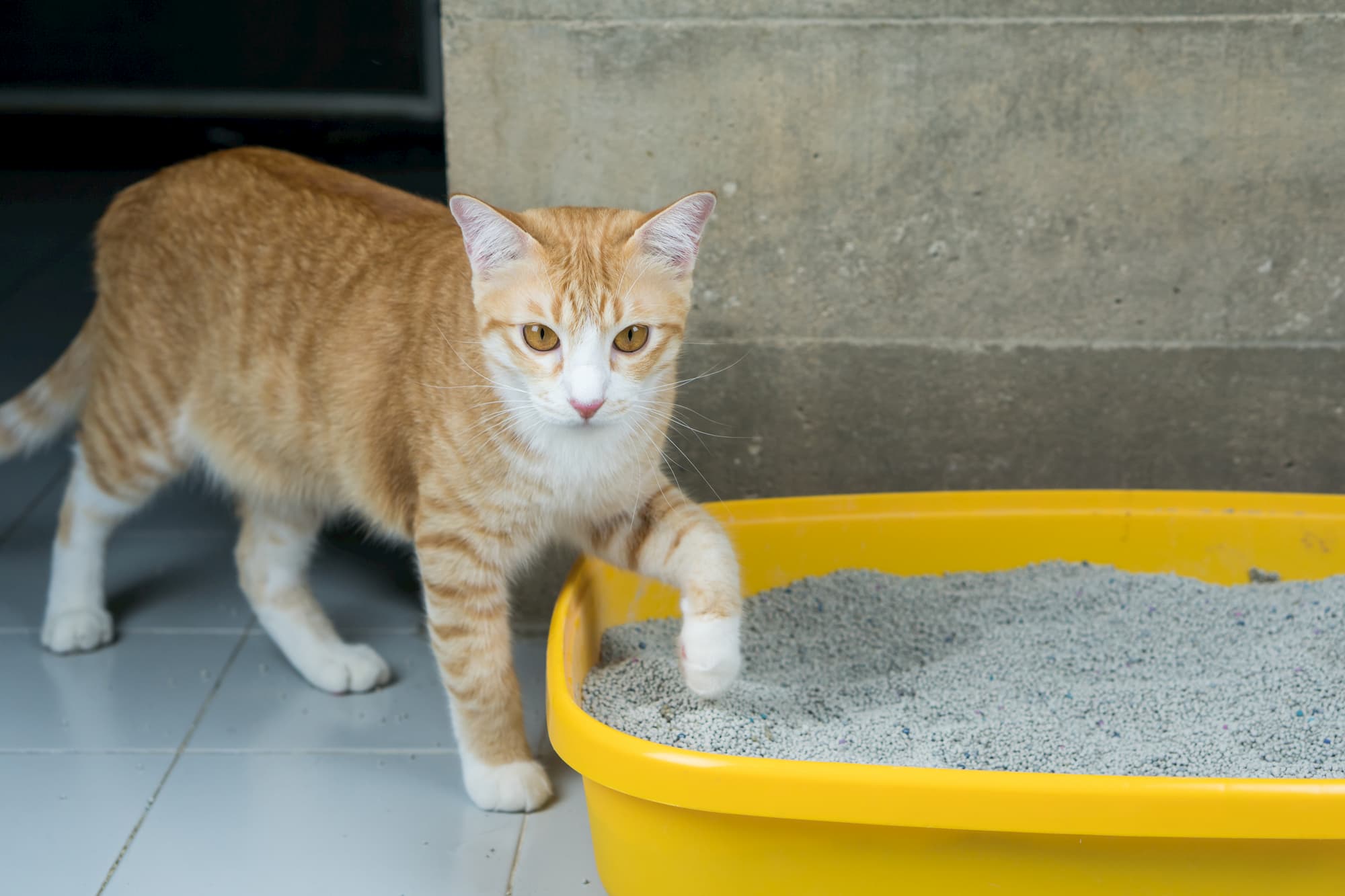

Cats are famously particular about their litter boxes, and ensuring they use it consistently and comfortably is key to maintaining a happy and healthy feline friend. Cat litter box training plays a crucial role in building this consistency. A well-maintained litter box not only supports good hygiene but also reduces the chances of unwanted accidents around your home. Here are some essential tips to help your cat love their litter box.
First, location matters. Place the litter box in a quiet, low-traffic area where your cat feels safe and undisturbed. Avoid putting it near loud appliances or in areas with heavy foot traffic. If you have multiple cats, provide one litter box per cat plus one extra, and spread them out in different parts of your home to prevent territorial disputes. This setup supports successful cat litter box training by minimizing stress and promoting regular use.
Next, keep it clean. Scoop the litter at least once a day and change the entire litter regularly, depending on the type you use. Wash the box with mild soap and warm water—avoid strong chemicals that could deter your cat. A clean environment is essential for effective cat litter box training, as cats are more likely to avoid dirty or smelly boxes.
The type of litter can also make a difference. Cats usually prefer unscented, clumping litter with a soft texture. Finally, choose a box that’s the right size—your cat should be able to turn around comfortably. Some cats prefer covered boxes for privacy, while others prefer open ones. Observe your cat’s preferences and adjust accordingly. Tailoring the litter box to their needs supports long-term success in cat litter box training and helps create a positive experience for your pet.
With patience and attention, cat litter box training can be a smooth process, making life better for both you and your cat.
10 Cat Litter Box Training
01. Choose the Right Litter
Start by selecting a litter that your cat prefers. Cats have individual preferences for litter texture and scent. Experiment with different types—clumping, non-clumping, scented, or unscented—to find what your cat likes best.
02. Maintain Cleanliness
Cats are clean animals and prefer a tidy litter box. Scoop waste at least once a day and change the litter completely every 1-2 weeks (or more frequently if needed). A clean box encourages regular use and prevents accidents.
03. Location Matters
Place the litter box in a quiet, accessible location. Cats appreciate privacy when using the bathroom, so avoid high-traffic areas or places with loud noises. Ensure it’s easily reachable, especially for older or younger cats.
04. Provide Multiple Boxes
If you have multiple cats, provide one litter box per cat plus one extra. Some cats are territorial and prefer their own space. Having enough boxes reduces competition and stress.
05. Size and Accessibility
Choose a litter box that accommodates your cat’s size comfortably. Kittens and elderly cats may need low-entry boxes for easy access. Ensure the sides are low enough for easy entry and exit.
06. Positive Reinforcement
Reward your cat for using the litter box correctly, especially if they’re learning or have had accidents. Positive reinforcement with treats or gentle praise helps reinforce good litter habits.
07. Address Behavioral Issues Promptly
If your cat suddenly stops using the litter box, consult your veterinarian. Behavioral changes could indicate health problems or stress. Addressing issues promptly ensures your cat’s well-being.
08. Keep It Fresh
Consider using litter box liners or mats to contain litter scatter and make cleaning easier. Some cats prefer a covered box for added privacy, while others prefer open-top options.
09. Monitor and Adjust
Cats’ preferences may change over time. Monitor their behavior around the litter box and be prepared to adjust litter type, box location, or style if needed to maintain their comfort.
10. Patience and Consistency
Transitioning your cat to a new litter box or resolving litter box issues can be a delicate process that requires patience, observation, and consistency. Cats are creatures of habit, and even small changes to their environment can lead to stress or avoidance behaviors. Cat litter box training is especially important during this time, as it helps your cat feel more secure and confident in using the new setup. When introducing a new litter box, place it in a quiet, low-traffic area where your cat feels safe. If possible, keep the old litter box nearby during the transition, allowing your cat the option to choose and gradually adjust.
Maintain a consistent cleaning routine by scooping the litter at least once a day and completely changing and washing the box weekly. Cats are fastidious animals, and a dirty litter box can quickly become unappealing. Cat litter box training should include keeping the litter area clean and odor-free to encourage regular use. Use unscented, clumping litter that mimics the texture your cat is used to, and avoid strong fragrances that may deter use.
Positive reinforcement also plays a key role in cat litter box training. Offer praise or a small treat when your cat uses the litter box correctly, especially during the early stages of transition or retraining. By taking the time to observe your cat’s behavior and preferences, you can tailor the litter box setup to meet their needs. A clean, comfortable, and appropriately placed litter box promotes regular use and contributes to your cat’s overall well-being. Consistent and gentle cat litter box training ensures that your cat remains comfortable and stress-free throughout the process.