


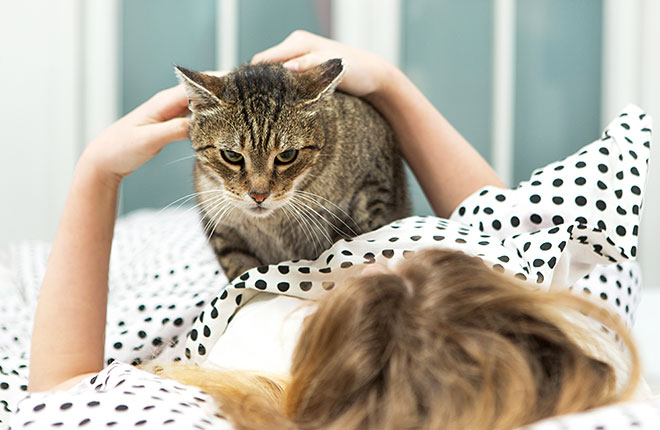


As a cat owner, you’ve likely experienced the heartwarming sight of your furry companion showering you with affection at the break of dawn. From soft purrs to gentle nudges, your cat morning affection creates a comforting embrace, signaling the start of a new day. But what fuels this delightful ritual? Let’s explore the motivations behind why cats love you most in the morning.
1 | Instinctual Behavior
Cats are crepuscular creatures, meaning they are most active during the twilight hours of dawn and dusk. This behavior is deeply ingrained in their nature, inherited from their wild ancestors who hunted during these times to avoid both daytime heat and nocturnal predators. When your cat wakes you up with affection in the morning, it’s because they are naturally more alert and energetic during these early hours.

2 | Hunger and Routine
One of the most straightforward reasons for your cat’s morning affection is hunger. After a night of fasting, your cat’s empty stomach makes them eager for breakfast. They’ve learned that showing you affection can effectively prompt you to get up and fill their food bowl. Over time, this morning routine becomes a habit, persisting even if you feed them at other times of the day.

3 | Social Bonding
Cats form strong bonds with their human companions, and the morning provides an ideal time for social interaction. After a night’s rest, your cat is refreshed and ready to engage. Rubbing against you, purring, and meowing are all ways your cat communicates their affection and seeks attention. These morning moments are crucial for strengthening your bond and ensuring your cat feels loved and secure.

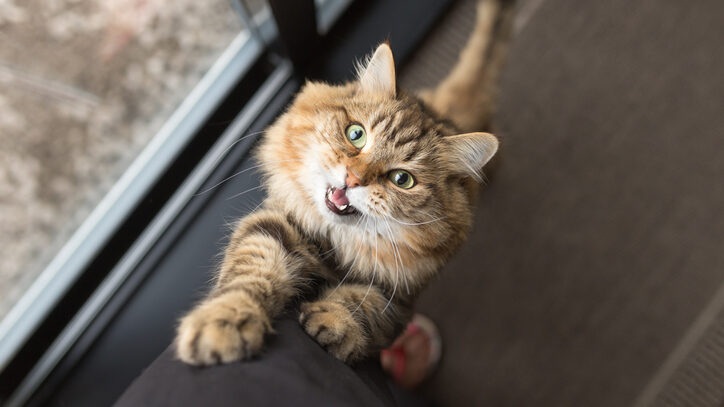
4 | Territorial Behavior
Territorial behavior in cats is a natural instinct rooted in their need to establish and defend a safe space. Cats mark their territory using scent glands on their face, paws, and tail, often rubbing against furniture, people, or objects to leave their scent. They may also use urine spraying or scratching as a way to claim ownership. This behavior helps reduce stress by creating a familiar environment and warning other animals to stay away. Territorial disputes can arise, especially in multi-cat households or when new pets are introduced, leading to aggressive behavior or increased marking. Understanding this instinct can help cat owners create a more harmonious living space by ensuring each cat has its own territory and comfort zone.
5 | Habitual Conditioning
Cats are creatures of habit and quickly learn routines that benefit them. If you consistently respond to their morning affection with petting, feeding, or playing, they will continue to seek out these behaviors. Positive reinforcement of their morning antics ensures that they’ll continue their loving gestures each day, seeking the same rewards.
6 | Emotional Connection
In the wild, cats rely heavily on scent to communicate and define boundaries. One of the primary ways they establish territory is by marking it with their scent, which signals ownership to other animals. This territorial behavior doesn’t stop in the wild—it carries over into domestic life as well. When your cat rubs against you, especially in the morning, it’s engaging in a deeply instinctual act often referred to as Cat Morning Affection. Cats have scent glands located in several areas of their body, particularly around their cheeks, forehead, and chin. By rubbing these parts against you, they’re transferring their scent onto you—essentially claiming you as part of their territory.
This scent-marking isn’t just about possession; it also plays an important role in helping your cat feel safe and secure. Familiar scents create a comforting environment, and by making you smell like “home,” your cat is reinforcing the bond between you both. This expression of Cat Morning Affection is a way of saying, “You belong to me, and I belong here.”
Morning rubs can also serve as a greeting ritual, strengthening your emotional connection. So next time your cat gives you a head-bump or weaves around your legs at dawn, know that it’s more than just affection—it’s a meaningful act rooted in trust, comfort, and feline communication. This everyday routine of Cat Morning Affection is one of the most sincere gestures your pet can offer.


Tips for Managing Cat Morning Affection
While it’s heartwarming to be greeted with so much love in the morning, it can be overwhelming if your cat is overly enthusiastic. Here are a few tips to manage their morning affection:
- Establish a Feeding Schedule: Try to feed your cat at consistent times to reduce their reliance on morning wake-up calls for food.
- Nighttime Play: Engage your cat in play before bedtime to tire them out, helping them sleep longer and reducing early morning activity.
- Automated Feeders: Consider using automated feeders to dispense breakfast at a set time, allowing you to sleep in without a hungry cat disturbing you.
- Create a Morning Routine: Spend a few minutes each morning giving your cat the attention they crave. This can include petting, brushing, or playing, which can help satisfy their need for social interaction.
In conclusion, your cats’ morning affection is a blend of instinct, routine, and genuine love. Understanding these motivations can help you appreciate these tender moments and ensure a harmonious start to your day for both you and your feline friend. So next time your cat greets you with morning cuddles, remember that it’s their special way of saying “I love you.”