


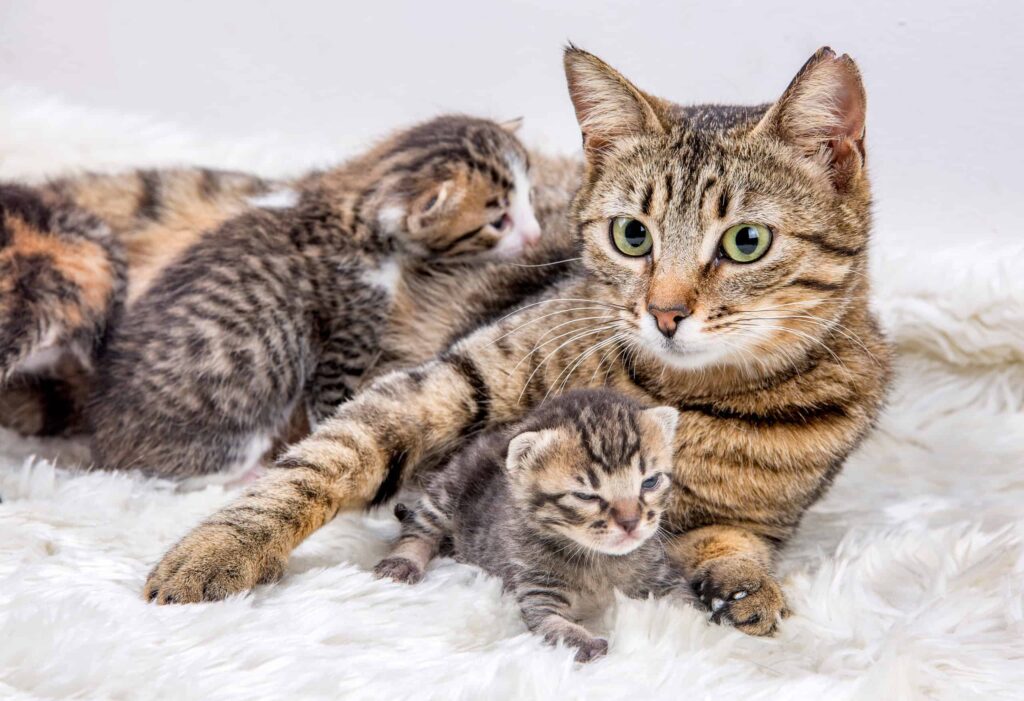


Understanding the Complete Cat Pregnancy Duration
The journey of feline pregnancy is a fascinating biological process that cat owners should understand to provide the best care for their expecting pets. The cat pregnancy duration typically ranges from 58 to 68 days, with an average gestation period of 63-65 days. Whether you’re a breeder or have an accidentally pregnant cat, knowing exactly how long cats are pregnant and what to expect during this crucial cat pregnancy duration is essential for ensuring a healthy pregnancy and delivery.
For cat owners witnessing this miracle of life, understanding the timeline of cat pregnancy duration helps in providing appropriate care throughout the feline gestation period. This comprehensive guide covers everything you need to know about how long cats carry their kittens and what to expect during each stage of pregnancy.
Cat Pregnancy Timeline: Week by Week Development
Weeks 1-2: Early Pregnancy Phase
During the first two weeks after conception, there are minimal external signs that your cat is pregnant. However, significant developments are occurring internally:
- Fertilized eggs travel to the uterine horns
- Embryos begin to implant in the uterine lining
- Cellular division and early embryonic development take place
- Morning sickness may appear in some cats (uncommon)
At this stage, even veterinarians might have difficulty confirming pregnancy through physical examination alone.
Weeks 3-4: Visible Changes Begin
By the third week of the feline gestation period, more noticeable changes start to appear:
- The queen’s nipples become pinker and more prominent (known as “pinking up”)
- Moderate weight gain of 1-2 pounds may become apparent
- Morning sickness might occur in some cats
- The cat may display increased affection and appetite
- Veterinarians can feel the embryos through gentle abdominal palpation
This is an ideal time for the first veterinary visit to confirm the pregnancy if you haven’t already done so.
Weeks 5-6: Middle of Pregnancy
Halfway through the cat pregnancy duration, development accelerates:
- The queen’s abdomen noticeably enlarges
- Kittens grow rapidly, developing facial features, limbs, and organs
- The mother cat’s appetite increases significantly
- Movement of kittens may be felt through the abdominal wall
- The mother cat may begin looking for nesting areas
- Veterinarians can usually confirm pregnancy through ultrasound
Weeks 7-9: Final Stage Before Birth
During the final weeks of the feline gestation period:
- The queen’s abdomen becomes very large and moves in waves as kittens shift position
- Milk may be present in the mammary glands
- The mother cat begins nesting behavior more intensely
- Appetite may decrease slightly as the abdomen is compressed
- The cat may become more reclusive or seek extra attention
- The queen’s body temperature drops slightly (about 1°F) 24-48 hours before labor
How to Tell If Your Cat Is Pregnant
Recognizing the signs of cat pregnancy early can help you provide better prenatal care. Here are the most common indicators that your cat is expecting:
- Physical changes: Pink, swollen nipples; distended abdomen; weight gain of 2-4 pounds
- Behavioral changes: Increased affection; nesting behavior; decreased activity
- Appetite changes: Initially increased appetite, possibly followed by decreased appetite close to delivery
- Cessation of heat cycles: No more calling or mating behaviors
| Pregnancy Sign | When It Appears | Reliability |
|---|---|---|
| Pink, swollen nipples | 2-3 weeks | High |
| Weight gain | Throughout pregnancy | Moderate (can be confused with general weight gain) |
| Distended abdomen | 5 weeks onwards | High (if not overweight) |
| Nesting behavior | Final 1-2 weeks | Very high |
| Kitten movement | 7 weeks onwards | Very high |
| Veterinary confirmation | 3-4 weeks (palpation)<br>3 weeks+ (ultrasound)<br>4 weeks+ (x-ray) | Definitive |
Factors Affecting Cat Pregnancy Duration
While the average feline gestation period lasts about 63-65 days, several factors can influence exactly how long cats are pregnant:
Breed Differences
Some cat breeds tend to have slightly shorter or longer cat pregnancy duration:
- Siamese and Oriental breeds: Sometimes carry for 58-62 days
- Persian and other long-haired breeds: May carry for 65-70 days
- Most domestic shorthair cats: Average 63-65 days
According to a study published by the American Veterinary Medical Association, genetic factors play a significant role in determining the exact length of cat pregnancy duration.
Litter Size
The number of kittens can affect pregnancy length:
- Smaller litters (1-2 kittens): Sometimes carried longer, up to 70 days
- Larger litters (5+ kittens): May deliver earlier, around 60-63 days
This variation occurs because larger litters create more pressure on the uterus, potentially triggering labor earlier.
Maternal Age and Health
First-time mothers (primiparous queens) sometimes carry their kittens slightly longer than experienced mothers. Additionally, the mother’s overall health can impact pregnancy duration, with healthier cats generally maintaining more consistent gestational periods.
Proper Care During Cat Pregnancy Duration
Providing excellent care during your cat’s pregnancy duration is essential for the health of both mother and kittens.
Nutrition for Pregnant Cats
Proper nutrition is perhaps the most critical aspect of prenatal care during the cat pregnancy duration:
- First 6 weeks: Feed high-quality kitten food or food labeled for pregnant and lactating cats
- Final 3 weeks: Increase food quantity by 25-50% as kitten development accelerates
- Throughout pregnancy: Ensure constant access to fresh water
- Supplements: Generally unnecessary if feeding premium cat food, but consult your veterinarian
Pregnant cats need approximately 25% more calories by mid-pregnancy and up to 50% more during the final weeks. The Veterinary Information Network recommends foods with at least 30% protein content during feline pregnancy.
Veterinary Care Schedule
Regular veterinary check-ups are crucial during the cat pregnancy duration:
- Confirmation visit: 3-4 weeks after suspected conception
- Mid-pregnancy check: Around week 5 to assess development
- Pre-birth examination: Around week 8 to ensure everything is on track for delivery
During these visits, your veterinarian may recommend:
- Parasite prevention safe for pregnant cats
- Vaccination schedule adjustments
- Nutritional advice specific to your cat’s needs
The American Animal Hospital Association (AAHA) provides comprehensive guidelines for pet pregnancy care that can help you ensure the best outcomes during the cat pregnancy duration.
Preparing for Birth
As the end of the feline gestation period approaches, create a comfortable birthing area:
- Select a quiet, warm location away from household traffic
- Provide a nesting box with low sides for easy access
- Line the box with clean towels or blankets that can be easily changed
- Introduce the queen to this area several weeks before the due date
- Keep essential supplies nearby: clean towels, heating pad, scissors (for umbilical cords in emergency), and your veterinarian’s contact information
Potential Complications During Cat Pregnancy Duration
While most cat pregnancies progress normally, be alert for these warning signs that require immediate veterinary attention:
- Vaginal discharge: Especially if bloody or foul-smelling
- Prolonged labor: More than 2-3 hours between kitten deliveries
- Extreme lethargy or weakness
- Fever or refusal to eat
- Signs of pain beyond normal contractions
- Straining without producing kittens
Cats at the extremes of reproductive age (under 1 year or over 8 years) face higher risks of complications during their cat pregnancy duration. First-time mothers over 5 years old may also experience more difficulties.
The International Cat Association (TICA) offers valuable resources on feline breeding, including information about potential complications that may arise during the cat pregnancy duration.
Spaying After Pregnancy
Many veterinarians recommend spaying cats once they’ve recovered from pregnancy and nursing:
- Prevents unwanted future pregnancies
- Reduces risk of mammary tumors and uterine infections
- Usually performed 6-8 weeks after delivery when kittens are weaned
- Can often be done while kittens are still nursing if necessary
Discuss the optimal timing for spaying with your veterinarian based on your cat’s specific situation.
Frequently Asked Questions About Cat Pregnancy Duration
Q: How can I tell if my cat is pregnant without going to the vet?
A: While a veterinary confirmation is always recommended, signs like pink, swollen nipples, a rounded abdomen, increased appetite, and more affectionate behavior occurring 2-3 weeks after mating suggest pregnancy. By weeks 5-6, gentle palpation may reveal kitten-shaped lumps in the abdomen.
Q: Can I use a home pregnancy test for my cat?
A: No, human pregnancy tests won’t work for cats as they detect human chorionic gonadotropin (hCG), which cats don’t produce. Feline-specific pregnancy tests exist but are generally less reliable than veterinary examination.
Q: Is it normal for a pregnant cat to have discharge?
A: No, vaginal discharge during pregnancy is abnormal and requires immediate veterinary attention as it may indicate infection or pregnancy complications.
Q: How many kittens do cats usually have?
A: The average litter size is 4-5 kittens, though first-time mothers typically have smaller litters of 2-3 kittens. Some cats may have just one kitten or as many as 10, though the latter is rare.
Q: Will my cat’s personality change permanently after pregnancy?
A: While some behavioral changes occur during pregnancy and nursing, most cats return to their normal personality once the kittens are weaned. However, the experience sometimes creates subtle permanent changes in how they interact with humans and other cats.
Conclusion: Essential Support During Your Cat’s Pregnancy Duration
The cat pregnancy duration of approximately 63-65 days is a relatively short but crucial time in a cat’s life. By understanding exactly how long cats are pregnant and what to expect during each stage of this powerful biological process, you can provide the incredible support and care your pregnant cat needs. From proper nutrition and veterinary check-ups to preparing a comfortable birthing area, your attentive care will help ensure a healthy cat pregnancy duration and delivery.
According to the ASPCA, responsible pet ownership includes considering spaying your cat after pregnancy to prevent unwanted litters and reduce health risks. Millions of homeless kittens are euthanized each year due to overpopulation, making spaying and neutering essential aspects of feline welfare.
Have you witnessed a cat pregnancy duration before? What surprised you most about the process? Share your experiences in the comments below!