

Cat Purring. They’re enigmatic creatures, aren’t they? Mysterious, aloof, and sometimes downright puzzling. One moment they’re perched high on a shelf, gazing at you with an expression that suggests they know something you don’t, and the next they’re curled up on your lap as though you were the only safe place in the world. Their behavior is often a blend of independence and affection, which is why people remain endlessly fascinated by them.
But amidst all their quirks, one thing about them is universally recognized and adored: Cat Purring. That gentle, rhythmic rumble that vibrates through their bodies has a way of melting stress and filling our hearts with warmth. It’s almost like a secret language, a sound that feels both soothing and mysterious, which is why Cat Purring holds such a special place in every cat lover’s heart.
What’s even more intriguing is that Cat Purring isn’t just a simple “I’m happy” signal. Cats purr for many reasons — to comfort themselves, to heal, to communicate, or even to calm down when stressed. Some studies suggest the vibrations of a purr may actually promote bone and tissue healing, making Cat Purring not just adorable but also beneficial to their health.
So the next time your furry friend curls beside you and starts Cat Purring, remember: it’s more than just a sound — it’s a fascinating glimpse into the complex, wonderful world of cats.
The Sound of Contentment
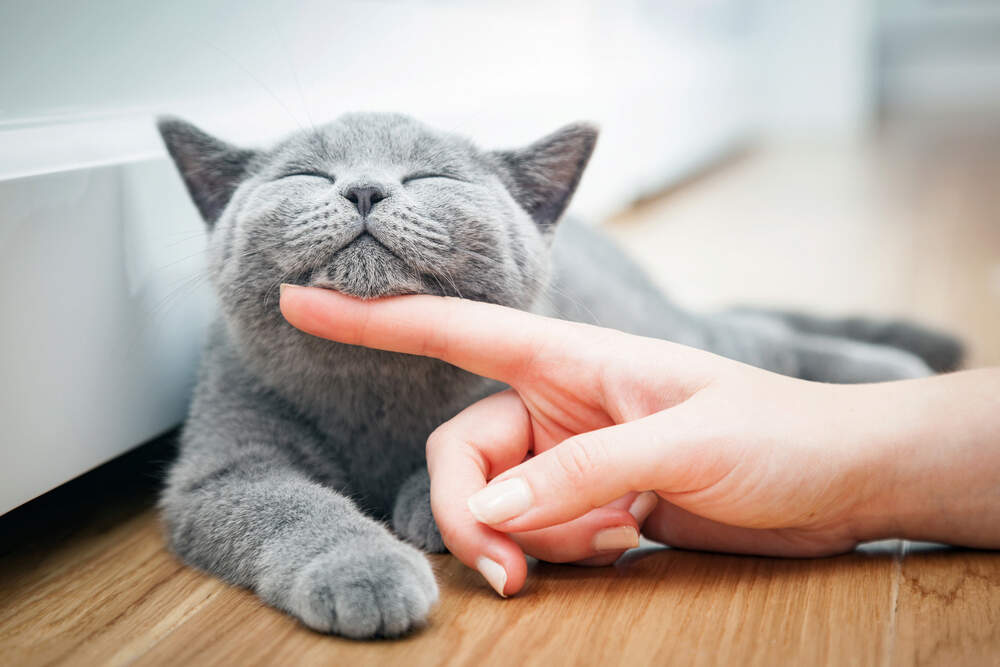
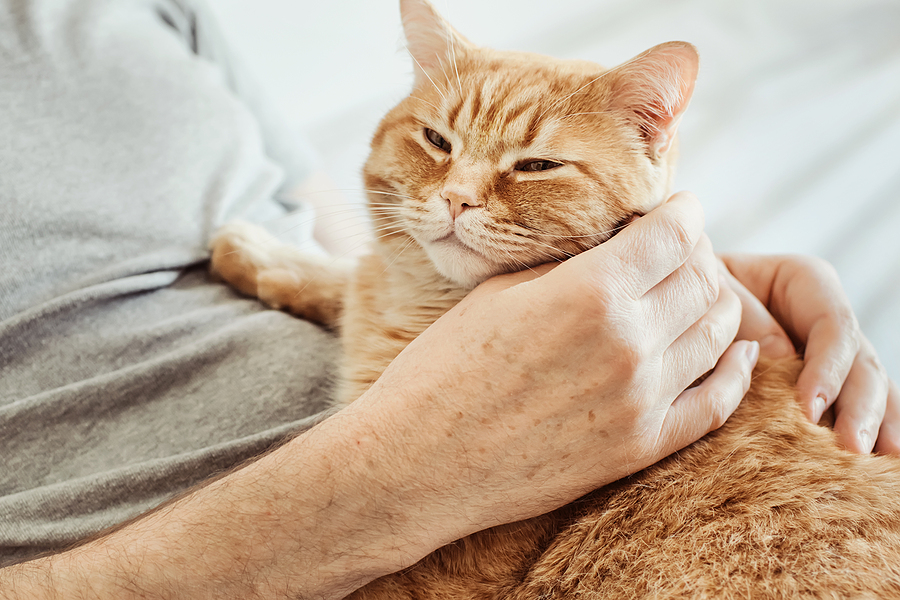
First and foremost, purring is often associated with contentment. It’s like the feline equivalent of a smile. When your cat is curled up in your lap, eyes half-closed in bliss, and emitting those soft vibrations, it’s a sign that they’re feeling happy, safe, and relaxed. It’s their way of saying, “Life is good.”
But Wait, There’s More
While contentment is a common reason for purring, it’s not the only one. Cats are complex creatures, and their purrs can communicate a variety of emotions and needs. For example:
- Healing Powers: Did you know that purring might actually have healing properties? It’s true! The low-frequency vibrations of a purr have been linked to improved bone density and faster healing of fractures in cats. Some researchers even believe that purring can help alleviate pain and reduce stress, both for the cat and their human companions.
- Communication: Cats are masters of communication, and purring is just one tool in their arsenal. They might purr to communicate with their human or other cats, expressing a desire for attention, food, or affection. Mother cats also purr to communicate with their kittens, creating a soothing environment and bonding with their offspring.
- Self-Soothing: Have you ever noticed your cat purring in stressful situations, like a visit to the vet or during a thunderstorm? Purring isn’t always a sign of contentment in these cases. Instead, it can be a form of self-soothing—a way for cats to calm themselves down when they’re feeling anxious or frightened.
- Bonding: Purring isn’t just about communication; it’s also about connection. When your cat curls up beside you and starts to purr, they’re not only expressing contentment but also strengthening the bond between the two of you. It’s a form of social bonding that reinforces the relationship and makes both of you feel good.
The Science Behind the Purr
So, what exactly causes that distinctive sound? The truth is scientists are still unraveling the mysteries of the purr. But here’s what we know so far:
- Laryngeal Muscles: Cats produce the sound of a purr by rapidly contracting and relaxing their laryngeal (voice box) muscles. These muscles open and close the glottis (the space between the vocal cords) at a rate of 25 to 150 vibrations per second, creating that characteristic rumble.
- Neurological Pathways: The neural circuits responsible for purring are located in the cat’s brainstem, specifically in the region that controls breathing and vocalization. This suggests that purring is an instinctive behavior that’s deeply ingrained in a cat’s biology.
- Mystery of Frequencies: One intriguing aspect of purring is its frequency range. Domestic cats typically purr at frequencies between 25 and 150 Hertz (Hz), which happens to be the same range associated with promoting healing and reducing stress in humans. Coincidence? Maybe not.
The next time your feline friend curls up in your lap and starts to purr, pause for a moment and take it in. That soft, rhythmic sound isn’t just background noise—it’s a language all its own. While many people assume cats purr only when they’re happy, the truth is far more fascinating. Cat Purring can be a way for them to express contentment, but it can also signal that they’re seeking comfort, easing their own stress, or even trying to soothe you. Some studies suggest that the vibrations of Cat Purring may promote healing, reduce anxiety, and even lower blood pressure, making it beneficial for both cats and humans.
When your cat presses close and shares that gentle rumble, it’s a reminder of the deep, almost ancient connection between people and their feline companions. Over centuries, cats have captivated us with their mystery and grace, and Cat Purring remains one of the most enchanting parts of their charm. It’s more than a sound—it’s an experience, a bridge of trust and affection between two very different species.
So, sit back, relax, and enjoy the soothing symphony of your furry companion’s purrs. After all, Cat Purring is one of the simplest yet most profound joys of being a cat parent.