


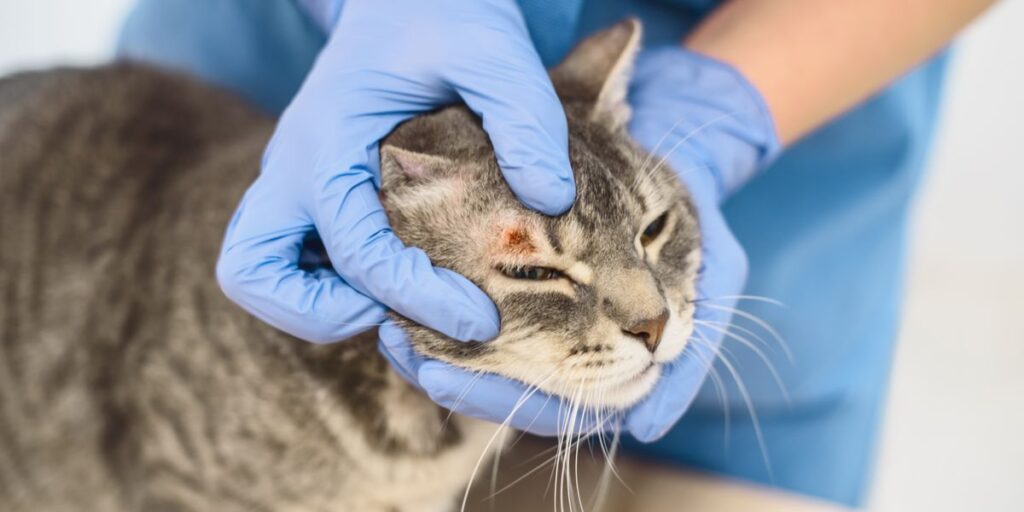


If you’ve recently noticed patches of hair loss or scaly skin on your cat, cat ringworm might be to blame. One of the most common yet often misunderstood skin conditions that affect cats is cat ringworm. Despite its name, ringworm is not caused by a worm at all but rather a fungal infection. Understanding its symptoms, how it spreads, and how to effectively treat it is crucial for your cat’s health and your peace of mind. This survival guide will give you everything you need to know to manage and treat cat ringworm safely and effectively.
What is Cat Ringworm?
Cat ringworm (also known as dermatophytosis) is a fungal infection that primarily affects the skin, hair, and nails of your feline friend. The infection is caused by a group of fungi known as dermatophytes, and despite being quite common, it’s often mistaken for other skin conditions, such as mange or flea allergies. It gets its name from the characteristic round, ring-shaped lesions that typically appear on the skin.
Ringworm is highly contagious, both to other pets and humans, which makes early detection and treatment important in preventing its spread.
Symptoms of Cat Ringworm
Recognizing the symptoms of cat ringworm early can help you get your feline the right treatment without delay. Common signs to watch for include:
-
Hair Loss: One of the first signs of ringworm in cats is patches of hair loss, which usually appears in circular or irregular shapes. These bald patches are often accompanied by scaly or flaky skin.
-
Red, Inflamed Skin: Infected areas of the skin may become red and inflamed, and the affected fur may become brittle and break off easily.
-
Itchy or Irritated Skin: Although not every cat will show signs of itching, many will experience discomfort from the infection. Cats may scratch or bite at the affected areas, leading to further skin irritation.
-
Crusting or Scaling: As the infection progresses, you may notice crusty, scaly areas on your cat’s skin, particularly around the ears, face, paws, or tail.
-
Lesions: In some cases, the fungal infection can cause small, round, red lesions on your cat’s skin. These lesions may be covered with a fine, powdery substance (dead skin cells).
-
Nail Infections: Ringworm can also affect your cat’s nails, causing them to become brittle, cracked, or discolored. The nails may become more prone to breaking or cracking.
How is Cat Ringworm Spread?
Cat ringworm is highly contagious and can spread in several ways:
-
Direct Contact: The most common way for a cat to contract ringworm is through direct contact with an infected animal. This can happen when cats groom each other or share bedding, toys, or food bowls.
-
Environmental Contamination: Ringworm spores can live in the environment for a long time. These spores can contaminate surfaces, including furniture, floors, and bedding, where they can live for weeks to months.
-
Humans as Carriers: People can inadvertently spread ringworm spores if they handle an infected cat or come into contact with contaminated objects. Humans can even develop ringworm, particularly if they have cuts or broken skin.
-
Other Animals: Ringworm doesn’t just affect cats—it can also infect dogs, rabbits, and other pets. Animals that share living spaces with an infected cat are at risk.
How to Diagnose Cat Ringworm
If you suspect your cat has ringworm, a visit to the veterinarian is essential for an accurate diagnosis. Your vet will likely:
-
Examine the Skin: The vet will inspect your cat’s skin and hair for typical signs of ringworm, such as hair loss and scaling.
-
Wood’s Lamp Test: This is a special UV light used by veterinarians to detect ringworm in some cases. When exposed to this light, certain strains of ringworm will glow a bright green.
-
Microscopic Examination: The vet may take a sample of your cat’s skin or hair to examine under a microscope to look for fungal spores or cells.
-
Fungal Cultures: In some cases, your vet may take a sample to culture, allowing them to confirm the presence of the ringworm fungus.
Is Cat Ringworm Contagious to Humans and Other Pets?
Yes, cat ringworm is contagious to both humans and other animals. While it is not dangerous to humans, it can cause a red, itchy rash, particularly in individuals with weakened immune systems. Infected pets can also transmit ringworm to other animals in the home, which is why isolation is important when treating your cat.
Treatment Options for Cat Ringworm
Fortunately, cat ringworm is treatable, though it may require patience and diligence. Treatment typically involves a combination of antifungal medications, environmental cleaning, and managing your cat’s hygiene. Below are the main treatment options:
-
Topical Treatments: Your veterinarian may recommend topical antifungal creams or ointments to apply directly to the affected areas. These help kill the fungus on the skin and prevent it from spreading.
-
Oral Antifungal Medications: In more severe cases, your cat may need oral antifungal medication, such as itraconazole or griseofulvin. These drugs work systemically to combat the infection from within.
-
Medicated Shampoos and Bathing: Your vet may also prescribe antifungal shampoos or recommend regular bathing with medicated solutions to help reduce the fungal spores on your cat’s skin.
-
Environmental Decontamination: Since the fungus can linger in the environment, thorough cleaning is essential. Wash bedding, toys, and other items your cat uses. Use a disinfectant known to kill ringworm spores (such as bleach or an antifungal cleaning solution) and regularly vacuum all surfaces.
-
Isolation and Preventive Care: Keep your infected cat isolated from other pets during the treatment period to prevent spreading the infection. Continue treating the environment and maintain good hygiene to avoid reinfection.
-
Follow-up Veterinary Visits: It’s important to take your cat for regular vet check-ups to monitor the progress of the treatment. The vet will also check if the infection has cleared up fully and offer advice on maintaining a ringworm-free home.
Prevention: How to Protect Your Cat from Ringworm
While ringworm can be tricky to avoid entirely, there are steps you can take to help reduce the risk of infection:
-
Limit Exposure: Prevent your cat from coming into contact with other animals that may be infected with ringworm, especially stray animals or those in shelters.
-
Practice Good Hygiene: Wash your hands after handling animals, especially if they show any signs of ringworm.
-
Regular Grooming: Keep your cat’s coat clean and well-maintained. Regular grooming can help spot any early signs of ringworm and prevent its spread.
-
Routine Veterinary Care: Regular veterinary checkups can help detect potential infections early and keep your cat healthy and protected.
While cat ringworm can be a distressing condition for both cats and their owners, it is treatable with the right care and attention. Early detection and prompt treatment can make a big difference in your cat’s recovery, and by following the proper hygiene and environmental decontamination methods, you can help prevent the infection from spreading. With your veterinarian’s help, you can ensure your cat has the best chance at a full recovery and enjoy their healthy, happy life once again.
If you notice any signs of ringworm in your cat, don’t hesitate to consult your vet for advice and treatment options.