

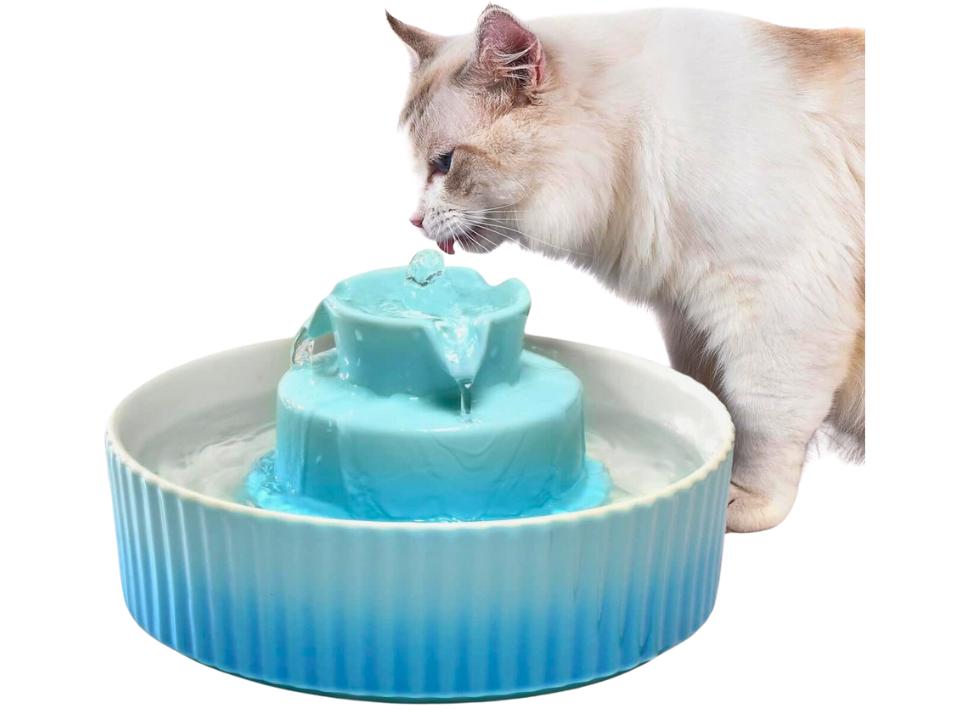


Keeping your cat properly hydrated is one of the most important aspects of maintaining their overall health and well-being. Unlike dogs, cats are often finicky drinkers, which can lead to chronic dehydration—especially if they primarily eat dry kibble. This lack of water intake can contribute to serious health issues, including kidney disease and urinary tract infections. One of the most effective ways to encourage your cat to drink more water is by investing in a high-quality Cat Water Fountain.
Cats are instinctively drawn to running water, which they associate with freshness. A Cat Water Fountain can make drinking more appealing by providing a continuous stream of filtered, oxygenated water. It not only tastes better to them, but also stays cleaner for longer periods compared to standing water in a bowl. Many pet owners notice a significant increase in their cat’s water consumption after switching to a Cat Water Fountain.
When choosing a Cat Water Fountain, consider factors like the material (ceramic, stainless steel, or BPA-free plastic), ease of cleaning, noise level, and filtration system. Some models even have adjustable flow settings to cater to your cat’s preference. Finding the right Cat Water Fountain isn’t just about convenience—it’s a simple step that can lead to a happier, healthier feline companion.
Understanding Your Cat’s Hydration Needs
Cats, by nature, aren’t always eager to lap up water like their dog counterparts. In the wild, they get most of their hydration from the prey they eat, but for domestic cats on a dry food diet, extra water is essential. That’s where a water fountain comes in! Unlike a plain old water bowl, a fountain creates a continuous flow of fresh, oxygenated water, which is more appealing to your cat’s instincts.
Think of it like a moving target—much more interesting! But before you hit “add to cart,” it’s essential to understand what makes a water fountain great for your cat specifically.
Types of Cat Water Fountains
One size does not fit all, especially when it comes to cat water fountains. There are various types, each with its unique benefits. Here’s a breakdown:
- Ceramic Fountains: Known for being sturdy, easy to clean, and stylish. These are excellent for those looking for a more upscale aesthetic in their home.
- Stainless Steel Fountains: Durable and often favored for being hygienic, these fountains are great for cats with allergies or sensitivities.
- Plastic Fountains: Lightweight and budget-friendly, though they may require more frequent cleaning to prevent bacteria buildup.
Each material has its pros and cons, but it’s also important to consider the type of flow it offers. Some fountains offer a gentle trickle, while others have a bubbling or even a cascading waterfall. Observe what kind of water flow your cat prefers—this could make or break your fountain choice.
Size Matters: Choosing the Right Fountain for Your Space
Size plays a bigger role than you might think when picking the right water fountain. A large, bulky fountain may be impractical for smaller living spaces, while a too-small fountain may need constant refills.
If you have multiple cats, a larger capacity is a must. Fountains designed for multi-cat households will reduce the chances of crowding and ensure everyone stays hydrated. Don’t forget to consider how much water your specific cat drinks—if your kitty is a bit of a “camel,” they might need a larger reservoir.
On the other hand, if space is limited or you have a petite feline, a more compact option would work perfectly.
Maintenance and Cleaning: An Overlooked Factor
One of the most important (yet often overlooked) aspects of choosing a water fountain is how easy it is to clean. Cats are fussy drinkers, and a dirty fountain will lead to your kitty turning its nose up at it.
Look for a fountain that’s dishwasher-safe or has parts that are easy to disassemble and scrub by hand. Ceramic and stainless steel options are usually the easiest to clean, while plastic ones may require a bit more maintenance. Remember, regular cleaning is essential to avoid bacteria build-up and to ensure your cat always has access to fresh water.
Furthermore, pay attention to the filter system. Most fountains come with a replaceable carbon filter, which keeps the water fresh and free of debris. However, these need regular replacing, so consider how accessible and affordable the filters are before purchasing.
Noise Levels: Is Your Fountain a Quiet Oasis?
Cats are creatures of habit, and sudden or loud noises can easily startle them. When choosing a water fountain, noise level is a crucial factor. A noisy motor might scare off your cat and defeat the purpose entirely.
Luckily, many fountains are designed with quiet operation in mind. Look for fountains with submersible pumps, which are often quieter. If possible, read reviews to get a sense of the real-world noise level, and if you have a particularly skittish kitty, lean toward the quieter models. Your peaceful home environment will thank you!
Price vs. Value: Don’t Be Fooled by the Fancy!
Price tags can vary widely on water fountains, but don’t assume that the most expensive option is the best. While higher-end fountains often come with more features, such as better filtration systems or premium materials, a simple model might do the trick just fine for your feline.
Instead, weigh the fountain’s price against its features. Consider how durable the materials are, whether replacement parts (like filters) are affordable, and how much water it holds. Sometimes, a mid-range option can be a perfect fit for both your budget and your cat’s needs.
Ultimately, your cat’s happiness and hydration should take priority, so focus on value over price.