

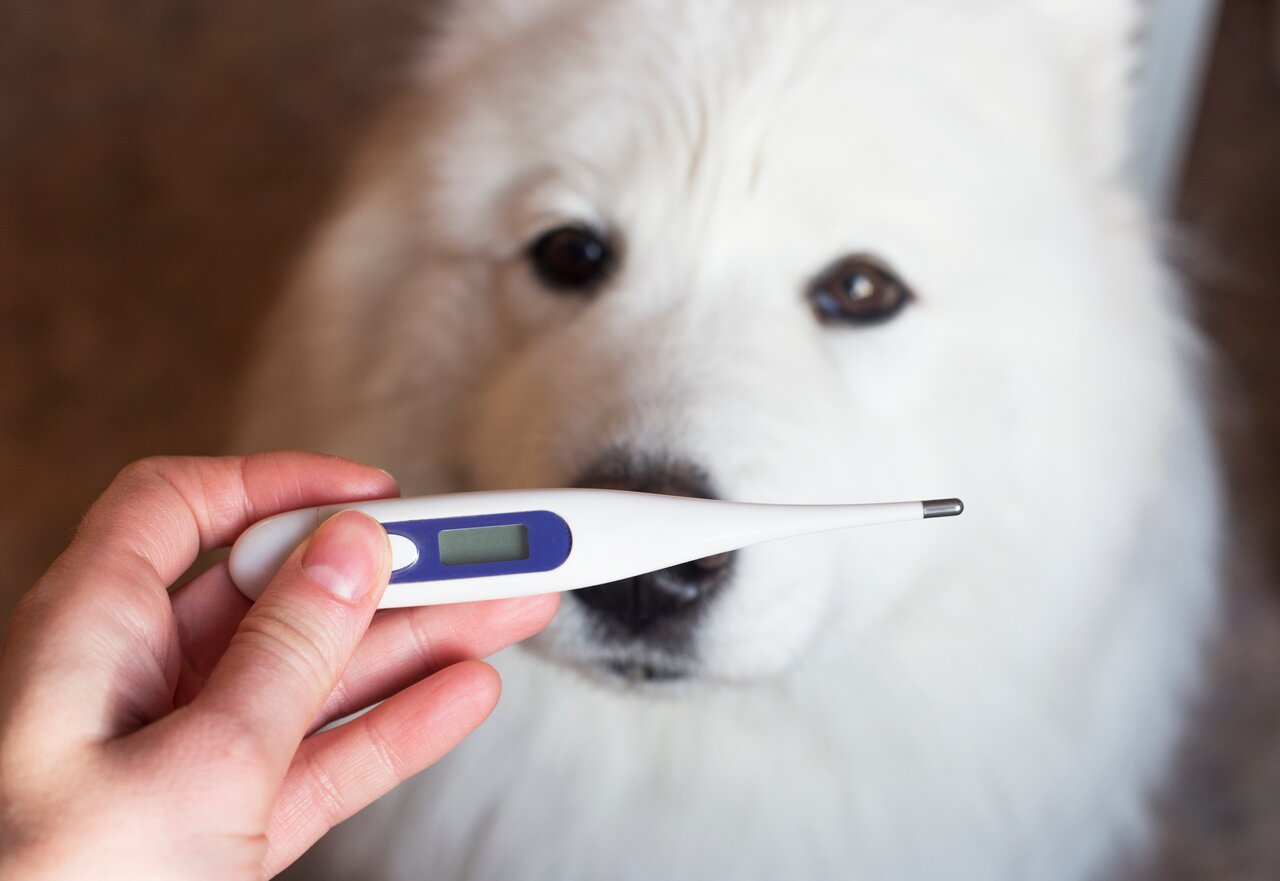


Checking dog temperature accurately is one of the most crucial skills pet owners should master. Many well-intentioned pet parents rely on outdated methods like touching their dog’s nose or ears, but these techniques often miss critical health indicators. Understanding how to properly take your dog’s temperature can make the difference between catching a health issue early or facing serious complications.
Why Checking Dog Temperature Matters
A dog’s normal temperature ranges from 99.5°F to 102.5°F (37.5°C to 39.2°C). Deviating from this range can signal various health concerns, from infections to heatstroke. While many believe a warm nose indicates fever, this method lacks scientific reliability. According to the American Veterinary Medical Association (AVMA), using a digital thermometer is the only accurate way to determine if your dog has a fever.

Choosing the Right Thermometer for Your Dog
Selecting an appropriate thermometer is essential for accurate temperature readings. Here’s what veterinary experts recommend:
Types of Dog Thermometers
| Thermometer Type | Accuracy | Cost | Ease of Use | Recommended? |
|---|---|---|---|---|
| Digital Rectal | Very High | $12-25 | Moderate | Yes |
| Ear (Infrared) | Low | $30-50 | High | No |
| Glass (Mercury) | High | $5-10 | Low | No |
| Non-contact | Very Low | $40-80 | Very High | No |
Dr. Kelly Tart, a prominent veterinary expert, strongly recommends rapid-reading digital thermometers specifically designed for pets. These devices provide accurate readings in approximately 10 seconds and feature easy-to-read displays.
Essential Dog Temperature Checking Steps
Featured Answer: How to Take a Dog’s Temperature
The most accurate method to take a dog’s temperature is through rectal measurement using a digital thermometer specifically designed for pets. Apply lubricant to the thermometer tip, gently insert it 1-3 inches into the rectum (depending on your dog’s size), and wait for the beep indicating completion. Normal temperature ranges from 99.5°F to 102.5°F.
Step-by-Step Guide
-
Gather Your Supplies
- Digital rectal thermometer
- Water-based lubricant
- Treats for positive reinforcement
- Soap and disinfectant wipes
-
Prepare Your Dog
- Choose a quiet, comfortable location
- Have someone help restrain if needed
- Place your dog on a non-slip surface
- Speak calmly to reduce anxiety
-
Taking the Temperature
- Lubricate thermometer tip generously
- Lift your dog’s tail gently
- Insert slowly: 1-2 inches for small dogs, 2-3 inches for large breeds
- Hold steady for 1-2 minutes or until beep
- Remove carefully and read result
-
Clean and Sanitize
- Wash thermometer with soap and water
- Disinfect with specialized wipes
- Store in a clean, dry place

Critical Dos and Don’ts for Dog Temperature Checking
Must-Do Practices
- Use pet-specific digital thermometers
- Always lubricate before insertion
- Reward with treats and praise
- Keep records of temperature readings
- Contact your vet if temperature exceeds 103°F
Critical Don’ts to Avoid
- Never use glass or mercury thermometers
- Don’t force the thermometer if your dog resists
- Never leave your dog unattended during the process
- Avoid taking temperatures immediately after exercise
- Don’t rely on ear, nose, or paw temperature
Recognizing Dog Fever Signs Beyond Temperature
While checking dog temperature is essential, watch for these additional symptoms:
- Lethargy and weakness
- Loss of appetite
- Shivering or shaking
- Red or glassy eyes
- Warm ears and dry nose
- Coughing or vomiting
The American Kennel Club (AKC) suggests monitoring these signs alongside regular temperature checks for comprehensive health assessment.
When to Contact Your Veterinarian
- Temperature above 103°F (39.4°C)
- Temperature below 99°F (37.2°C)
- Fever lasting more than 24 hours
- Accompanying symptoms like vomiting or diarrhea
- Difficulty breathing or unusual behavior
Expert Tips for Stress-Free Temperature Checks
- Build Trust Gradually: Practice touching and handling without the thermometer first
- Use Positive Association: Create a reward system for cooperation
- Choose Optimal Timing: Take temperature when your dog is naturally calm
- Maintain Routine: Regular checks help dogs become comfortable with the process
Advanced Temperature Monitoring Techniques
Modern pet care has introduced innovative solutions for checking dog temperature:
- Smart collars with temperature sensors
- Microchip thermometers
- Bluetooth-enabled pet monitors
- Telemedicine consultations with veterinarians
According to the American Animal Hospital Association (AAHA), these technologies complement but don’t replace traditional temperature checking methods.
Conclusion
Mastering the art of checking dog temperature empowers you to be a proactive pet parent. By following these vital steps and understanding the dos and don’ts of dog care, you’ll be better equipped to monitor your furry friend’s health effectively. Remember, while home temperature checks are valuable, they should never replace professional veterinary care when serious symptoms arise.
What’s been your experience with checking your dog’s temperature? Share your tips and challenges in the comments below, or read more blogs on pet care.