

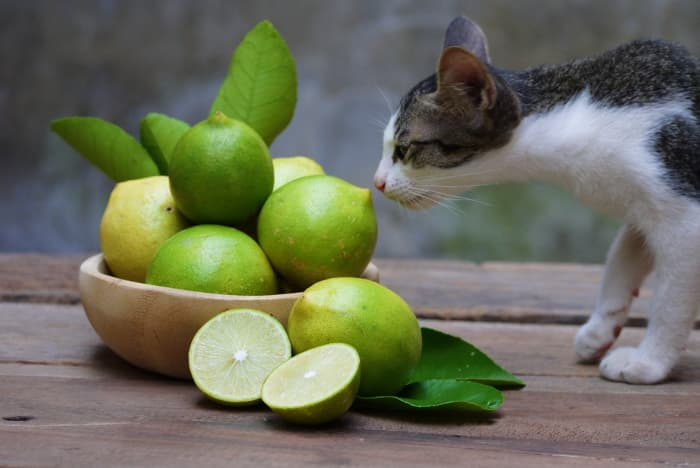

Citrus fruits are a healthy snack for humans, bursting with vitamin C and refreshing flavors. But when it comes to pets, especially citrus fruits and cats, the story is quite different. Many pet owners may wonder if it’s safe to share a piece of orange or lemon with their feline companion. Understanding the relationship between citrus fruits and cats is important, as even small amounts can pose health risks. This article explores the compatibility between citrus fruits and cats, uncovering the potential dangers, symptoms of citrus toxicity, and what to do if your cat accidentally consumes citrus.
Are Citrus Fruits Safe for Cats?
In short, no—citrus fruits are not safe for cats. Unlike dogs, who may tolerate small amounts of certain fruits, cats have a more sensitive digestive system and unique metabolic processes. Citrus fruits such as oranges, lemons, limes, grapefruits, and tangerines contain compounds that are toxic to cats, even in small quantities.

Why Are Citrus Fruits Harmful to Cats?
The primary concern with citrus fruits and cats lies in the essential oils and psoralens they contain.
1. Essential Oils
Citrus peels, pulp, and oils contain compounds such as limonene and linalool, which are toxic to cats. These are commonly found in oranges and lemons. Cats lack the liver enzymes needed to metabolize these oils, making them vulnerable to poisoning.
2. Psoralens
These naturally occurring chemical compounds are found in citrus fruits and are known to cause photosensitivity and gastrointestinal upset in cats.
3. High Acidity
Even if a citrus fruit didn’t contain toxic oils, the high acidity alone can cause stomach upset, vomiting, and discomfort in felines.
Symptoms of Citrus Toxicity in Cats
If a cat ingests citrus or comes into contact with citrus oil (from fruit, air fresheners, essential oils, or cleaners), it may experience symptoms of toxicity. These include:
-
Drooling or excessive salivation
-
Lethargy or weakness
-
Tremors or muscle spasms
-
Sensitivity to light (photosensitivity)
-
Low body temperature (hypothermia in severe cases)
-
Skin irritation or rash (especially with contact from citrus-scented products)
If your cat shows any of these symptoms, especially after being near citrus fruit or oil, contact your veterinarian immediately.
Common Ways Cats May Be Exposed to Citrus
While most cats are naturally repelled by the strong scent of citrus, accidental exposure can still happen. Here are a few common sources:
-
Human snacks: A curious cat might lick a fruit bowl or counter where citrus juice was spilled.
-
Cleaning products: Many natural or organic household cleaners use citrus oils for fragrance.
-
Essential oils or diffusers: Aromatherapy oils with citrus scents can be harmful when inhaled or absorbed through the skin.
-
Citrus plants: Lemon and orange trees in the home or garden can be a danger if cats chew on the leaves or fruit.
Can Cats Eat Any Part of Citrus Fruits?
Absolutely not. All parts of the citrus fruit—pulp, seeds, peels, and leaves—can be harmful to cats. Even products derived from citrus like juices, zest, or natural flavorings should be kept far away from your feline friend.
Here’s a quick breakdown:
| Part of Citrus | Safe for Cats? | Why Not |
|---|---|---|
| Fruit Flesh | ❌ | Causes stomach upset, contains acids and oils |
| Peels | ❌ | Highly concentrated in essential oils |
| Seeds | ❌ | Choking hazard and contain toxic compounds |
| Leaves | ❌ | May contain psoralens and other toxic chemicals |
What to Do If Your Cat Eats Citrus
If your cat ingests any citrus fruit or citrus oil, here’s what you should do:
-
Stay Calm – Cats are resilient, and prompt action will help minimize complications.
-
Remove Access – Take away any remaining fruit or product to prevent further ingestion.
-
Check for Symptoms – Monitor your cat for vomiting, drooling, weakness, or signs of discomfort.
-
Call Your Vet or Poison Control – Contact your veterinarian or the Pet Poison Helpline (1-855-764-7661 in the U.S.) for guidance.
-
Do Not Induce Vomiting Without Vet Approval – Some toxins can do more damage on the way back up.
If your vet recommends an emergency visit, bring any labels or product packaging with you to help them determine the best course of treatment.
Safe Alternatives to Citrus for Cats
If you’re looking for healthy treats or fruits your cat can safely nibble on, here are a few cat-safe alternatives:
-
Blueberries
-
Cantaloupe
-
Watermelon (seedless)
-
Pumpkin (plain and cooked)
-
Cooked carrots
These treats should always be given in moderation and cut into small, manageable pieces.
Final Thoughts: Citrus and Cats Don’t Mix
When it comes to citrus fruits and cats, the best rule is strict avoidance. Even small amounts can lead to unpleasant symptoms or dangerous toxicity. While citrus may be refreshing for us, it poses more harm than benefit to our feline friends, making the topic of citrus fruits and cats an important one for pet owners to understand.
As a responsible pet owner, keep all citrus products—fresh fruit, peels, oils, and cleaners—out of your cat’s reach. Instead, stick with vet-approved treats and safe human foods in moderation, since citrus fruits and cats never mix well together.
When in doubt, always consult your veterinarian before introducing anything new into your cat’s diet. Their health and safety come first—and they’ll thank you with purrs, not sour faces.