


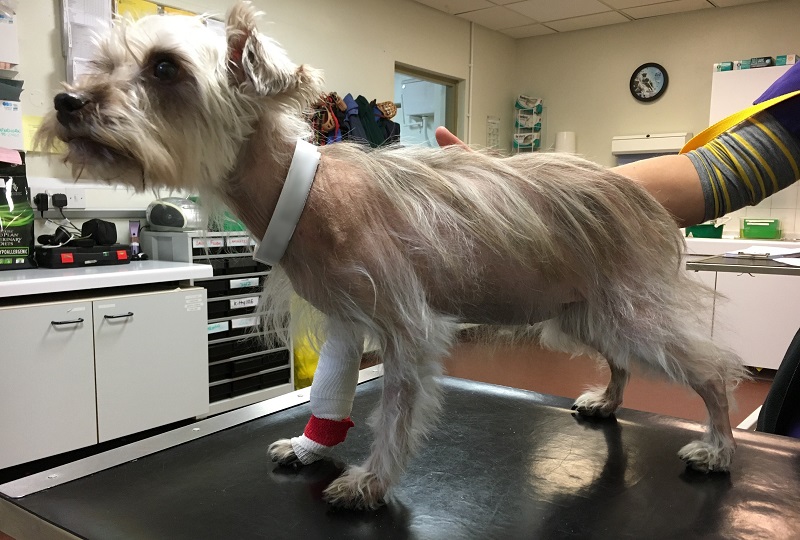


As loving pet owners, we always strive to give our furry companions the happiest, healthiest lives possible. We carefully choose their food, schedule regular vet visits, and make sure they get plenty of exercise and affection. However, despite our best efforts, unexpected health conditions can sometimes develop, and one of these is Cushing’s Disease in Dogs.
Cushing’s Disease in Dogs, also known by its medical term hyperadrenocorticism, is a condition that occurs when a dog’s adrenal glands produce too much cortisol. Cortisol is an important hormone that plays a vital role in managing stress, regulating metabolism, and supporting the immune system. While it’s necessary for your dog’s overall health, an excessive amount can create a wide range of problems that affect their daily life.
This disease can be tricky because its symptoms often develop gradually, and they can be mistaken for normal signs of aging. Common issues seen with Cushing’s Disease in Dogs include increased thirst and urination, a bigger appetite, thinning skin, hair loss, and unusual weight gain—especially around the abdomen. If left untreated, Cushing’s Disease in Dogs can lead to more serious complications like diabetes, high blood pressure, or infections.
Fortunately, with early diagnosis and proper veterinary care, dogs with Cushing’s Disease in Dogs can still live comfortable, fulfilling lives.
What is Cushing’s Disease?
Cushing’s disease is most common in middle-aged and older dogs, and it happens when the adrenal glands—located near the kidneys—become overactive. This can be due to either a tumor on the pituitary gland, which is located at the base of the brain, or a tumor on the adrenal gland itself. The overproduction of cortisol can lead to a range of symptoms, many of which can be mistaken for normal aging.
Symptoms of Cushing’s Disease in Dogs
Early signs of Cushing’s disease may be subtle, but as the condition progresses, you may notice the following symptoms in your dog:
- Increased thirst and urination: Dogs may drink water more frequently and need to go out more often.
- Increased appetite: Your dog may start eating more than usual.
- Weight gain and a pot-bellied appearance: Fat redistributes to the abdomen, giving your dog a pot-bellied look.
- Thinning skin: Skin may become more fragile and prone to bruising.
- Hair loss: Some dogs experience symmetrical hair loss, particularly along the back.
- Panting and lethargy: Dogs may seem less energetic or breathe heavily even at rest.
- Recurring infections: Urinary tract infections and skin infections may become more common.
If you notice any of these signs, it’s important to consult your veterinarian for further evaluation.
Diagnosis
Diagnosing Cushing’s disease in dogs typically involves a combination of blood tests, urine tests, and imaging such as ultrasounds or X-rays. The most common blood tests include the ACTH stimulation test and the low-dose dexamethasone suppression test, which help determine cortisol levels in the body.
Treatment Options
The treatment for Cushing’s disease depends on the underlying cause. The two primary types of Cushing’s disease are pituitary-dependent and adrenal-dependent:
- Medications: In most cases, oral medications such as trilostane (Vetoryl) or mitotane are prescribed to control cortisol production. These drugs help manage the disease and reduce symptoms but require lifelong administration.
- Surgery: In the case of adrenal tumors, surgery may be an option, though it can be risky depending on the tumor’s size and location.
- Monitoring: After treatment begins, regular follow-ups with your veterinarian are essential to monitor cortisol levels and adjust medication doses as needed.
Can Cushing’s Disease Be Cured?
While Cushing’s disease can be managed, it is usually considered a chronic condition. With proper treatment and care, many dogs can live happy, comfortable lives for years. However, it’s important to stay vigilant and follow your vet’s recommendations to ensure the disease is under control.
Caring for a Dog with Cushing’s Disease
As a pet owner, you can help your dog by:
- Monitoring water intake and food consumption
- Maintaining a healthy weight to prevent stress on joints and organs
- Providing a comfortable, low-stress environment
- Scheduling regular vet check-ups to keep an eye on their health
Conclusion
Cushing’s disease may sound overwhelming, but with early detection and proper management, dogs with this condition can still enjoy a good quality of life. If you suspect your dog may be showing symptoms of Cushing’s disease, don’t hesitate to reach out to your veterinarian for testing and guidance.
By understanding the signs and staying proactive, you can help your furry friend live a long, healthy life despite this condition.