


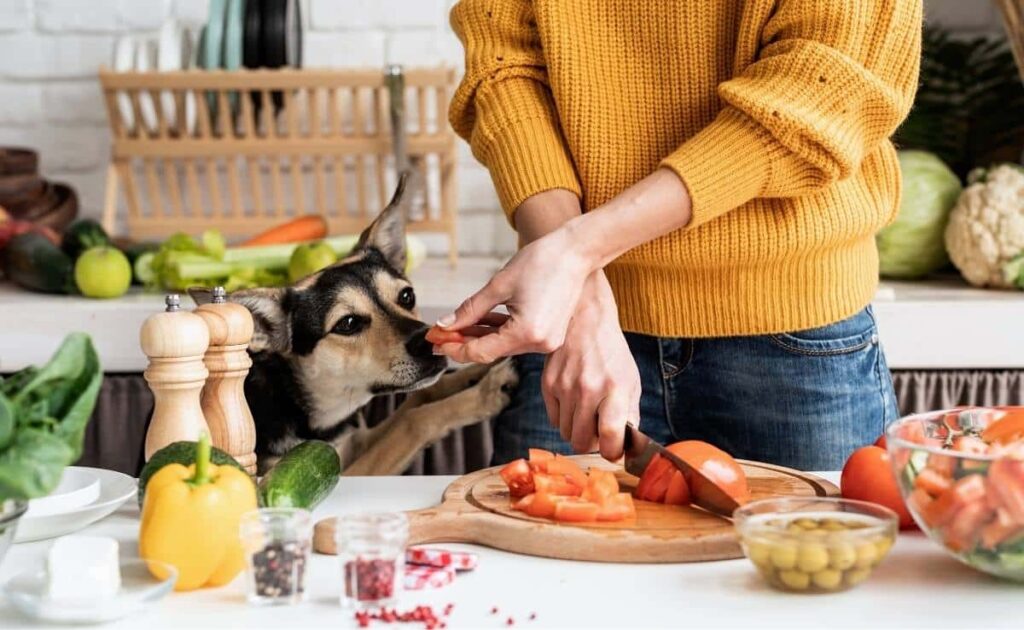


The Hidden Dangers in Your Kitchen: What Your Dog Should Never Eat
In the world of nutrition, fruits and vegetables are often hailed as heroes for our health. But did you know that some of these seemingly innocent foods can pose serious risks to your furry friend? While many dogs enjoy a nibble of whatever their human companions are eating, it’s crucial to be aware of the potential dangers lurking in certain foods. According to veterinary experts, knowing which dangerous foods for dogs to avoid can literally save your pet’s life.
Every year, thousands of dogs experience food poisoning, with many cases resulting in emergency veterinary visits. This comprehensive, vet-reviewed guide will help you navigate the complex world of canine nutrition and ensure your beloved companion stays safe and healthy.


Common Dangerous Foods for Dogs: What Veterinarians Want You to Know
Toxic Vegetables That Threaten Your Dog’s Health
Dogs are naturally curious creatures, especially when it comes to food. Unfortunately, not everything that’s healthy for humans is safe for our canine companions. Here are some vegetables that could pose significant health risks to your dog:
-
Onions, Chives, & Leeks: Members of the Allium plant family, including onions, leeks, chives, and garlic, contain a compound called N-propyl disulfide, which can lead to anemia and, in severe cases, organ failure and death in dogs. Even small amounts can be harmful, whether raw, cooked, powdered, or dehydrated.
-
Wild Mushrooms: While store-bought mushrooms are generally safe, wild varieties can be difficult to distinguish and may be toxic. Keep a close eye on your pup if they like to explore the backyard foraging for snacks, as mushroom toxicity can cause liver and kidney damage.
-
Raw Green Potatoes: Raw, green potatoes contain solanine, a toxic compound that can cause gastrointestinal upset in dogs. While cooked potatoes are typically safe in moderation, always ensure they’re thoroughly cooked and free from green spots.
-
Rhubarb: Rhubarb leaves and stalks contain oxalate crystals, which can lead to calcium depletion and, in rare cases, acute renal failure. Symptoms include drooling, loss of appetite, vomiting, diarrhea, lethargy, weakness, tremors, and bloody urine.
Fruits That Can Be Fatal to Your Canine Companion
Many fruits make healthy treats for dogs when given in moderation, but others can be extremely dangerous. Here are the fruits that should never be part of your dog’s diet:
-
Grapes and Raisins: Grapes and raisins are highly toxic to dogs, with ingestion potentially leading to kidney damage. Even small amounts should prompt immediate veterinary care. The exact toxic substance in grapes remains unknown, making them particularly dangerous.
-
Avocado: While the flesh of avocado is less harmful, the pit, skin, and leaves contain persin, which can cause gastrointestinal issues in dogs. The pit also presents a serious choking hazard.
-
Cherry Pits: The pits, leaves, and stems of cherries contain cyanide, posing a risk of toxicity if ingested. While the fleshy part of cherries is less concerning, the potential risk of pits makes them a fruit best avoided.
-
Apple Seeds: Apple seeds contain cyanide, although a large quantity would need to be consumed to cause harm. Always remove seeds and cores before sharing apple slices with your pup.
-
Green Tomatoes: Green tomatoes, along with their stems and leaves, contain solanine and tomatine, which can cause discomfort and gastrointestinal irritation in dogs. Ripe tomatoes are generally safe in small quantities.
-
Persimmon Seeds: While the flesh of persimmons is safe for dogs, the seeds can cause blockages and present choking hazards, particularly in small breeds.
-
Citrus Fruits: The citric acid in lemons, limes, oranges, and grapefruits can cause digestive upset in some dogs, especially when consumed in large quantities.
Beyond Produce: Other Everyday Foods Toxic to Dogs
Human Favorites That Spell Danger for Dogs
Beyond fruits and vegetables, many common household foods can pose serious health risks to your canine companion:
-
Chocolate: Chocolate contains theobromine, which dogs cannot effectively metabolize. This can lead to toxicity manifesting as vomiting, diarrhea, rapid breathing, increased heart rate, and in severe cases, seizures. Dark and baking chocolate contain higher levels of theobromine than milk chocolate, making them especially dangerous.
-
Caffeine: Caffeine, found in coffee, tea, soda, energy drinks, and other sources, can cause cardiac issues and gastrointestinal upset in dogs. Symptoms of caffeine toxicity include restlessness, increased heart rate, elevated blood pressure, tremors, and seizures.
-
Alcohol: Even small amounts of alcoholic beverages can be extremely dangerous to dogs, potentially causing vomiting, disorientation, high body temperature, restlessness, excessive panting, muscle tremors, and seizures. In severe cases, alcohol toxicity can lead to coma or death.
-
Xylitol: This common sugar substitute found in sugar-free gum, candy, baked goods, and some peanut butter brands can lead to low blood sugar and liver failure in dogs. Symptoms of xylitol poisoning include vomiting, lethargy, loss of coordination, seizures, and liver failure.
-
Macadamia Nuts: Even a small amount of macadamia nuts can cause vomiting, fever, weakness, muscle tremors, and hyperthermia in dogs. As little as 1/10 of an ounce per 2 pounds of body weight can cause symptoms.
-
Bread Dough: Raw bread dough containing yeast can expand in a dog’s warm stomach, potentially causing bloat, a life-threatening condition. Additionally, as the yeast ferments, it produces alcohol, which can lead to alcohol poisoning.
-
Nutmeg: Nutmeg contains myristicin, which can cause a range of symptoms including high blood pressure, hallucinations, abdominal pain, seizures, and potentially death in dogs when consumed in large quantities.
Dairy and High-Fat Foods: A Hidden Threat
While not always immediately toxic, these foods can cause significant health problems:
-
Milk and Dairy Products: Many dogs are lactose intolerant, meaning dairy products can cause digestive upset, diarrhea, and vomiting. Additionally, high-fat dairy products can trigger pancreatitis, a serious inflammatory condition.
-
Fatty Foods: Foods high in fat, such as bacon, fatty meat trimmings, and fried foods, can cause pancreatitis in dogs. This painful inflammation of the pancreas can be life-threatening and often requires hospitalization.
-
Salty Foods: Excessive salt consumption can lead to sodium ion poisoning in dogs, causing symptoms such as vomiting, diarrhea, depression, tremors, elevated body temperature, seizures, and even death.
Comparative Toxicity: Understanding the Risks to Your Dog
Table: Severity of Toxic Foods for Dogs
| Food | Toxicity Level | Symptoms | Emergency Level | Amount Needed for Toxicity |
|---|---|---|---|---|
| Chocolate (Dark) | High | Vomiting, diarrhea, panting, increased thirst, hyperactivity, abnormal heart rhythm, seizures | High | As little as 0.13 oz per lb of body weight |
| Grapes/Raisins | High | Vomiting, lethargy, decreased appetite, abdominal pain, kidney failure | High | As few as 4-5 grapes for a medium-sized dog |
| Xylitol | Very High | Vomiting, loss of coordination, seizures, liver failure | Very High | As little as 0.1g per kg of body weight |
| Onions/Garlic | Moderate to High | Lethargy, weakness, pale gums, elevated heart rate, collapse | Moderate | 0.5% of body weight |
| Macadamia Nuts | Moderate | Weakness, hyperthermia, vomiting, tremors, joint stiffness | Moderate | About 2.2g per kg of body weight |
| Avocado | Low to Moderate | Vomiting, diarrhea (pit is a choking hazard) | Low | Large amounts of pit/skin |
| Coffee/Caffeine | High | Restlessness, increased heart rate, elevated blood pressure, seizures | High | 140mg per kg of body weight |
| Alcohol | High | Disorientation, vomiting, elevated body temperature, seizures, coma | High | Depends on concentration and dog size |
What To Do If Your Dog Eats Something Toxic


If you suspect your dog has consumed something toxic, time is of the essence. Follow these steps immediately:
-
Stay Calm: Panicking can waste precious time and stress your pet further.
-
Identify the Substance: Try to determine what your dog ate and approximately how much.
-
Contact Your Veterinarian: Call your vet or the nearest emergency veterinary hospital.
-
Alternative Resources: If you can’t reach your vet, contact the ASPCA Animal Poison Control Center at (888) 426-4435 or the Pet Poison Helpline at (855) 764-7661 (both services may charge a consultation fee).
-
Do Not Induce Vomiting unless specifically instructed to do so by a veterinary professional.
-
Bring the Package: If applicable, bring the packaging of the consumed product to the vet.
Featured Snippet: Signs of Food Poisoning in Dogs
How do I know if my dog has food poisoning? Common signs of food poisoning in dogs include:
- Sudden onset of vomiting and/or diarrhea
- Lethargy or weakness
- Loss of appetite
- Excessive drooling
- Pale or yellowish gums
- Increased thirst
- Abdominal pain or tenderness
- Neurological symptoms like tremors, seizures, or disorientation If you notice these symptoms and suspect your dog has eaten something toxic, contact your veterinarian immediately.
Safe Alternatives: Vet-Approved Foods Your Dog Can Enjoy
While there are many foods dogs should avoid, plenty of healthy options make great occasional treats. According to the American Kennel Club, these foods are generally safe for canine consumption:
Safe Fruits for Dogs
- Apples (without seeds and core)
- Blueberries
- Strawberries
- Watermelon (seedless and without rind)
- Bananas (in moderation due to sugar content)
Safe Vegetables for Dogs
- Carrots
- Green beans
- Cucumber
- Cooked sweet potato
- Cooked pumpkin (plain, not pie filling)

Creating a Dog-Safe Kitchen: Prevention Tips
Preventing accidental ingestion is the best way to protect your pet from dangerous foods:
-
Store Hazardous Foods Securely: Keep chocolate, grapes, and other toxic foods in sealed containers or high cabinets.
-
Train the “Leave It” Command: Teaching your dog to respond to this command can prevent dangerous consumption.
-
Inform Guests About Food Rules: Make sure visitors know not to feed your dog table scraps or unsafe treats.
-
Secure Trash Cans: Use dog-proof trash cans to prevent scavenging.
-
Create a Safe Snack List: Post a list of safe and unsafe foods on your refrigerator for all household members to reference.
-
Consider a Dog-Free Zone: Designate certain areas, such as the kitchen during meal preparation, as off-limits to your pet.
According to VCA Animal Hospitals, establishing these boundaries not only protects your dog from dangerous foods but also promotes overall good behavior and household harmony.
Special Considerations: Breed-Specific Sensitivities
While all dogs should avoid the toxic foods mentioned above, certain breeds may have specific sensitivities:
-
Small Breeds: Yorkies, Chihuahuas, and other small breeds can be affected by smaller amounts of toxic substances due to their size.
-
Brachycephalic Breeds: Bulldogs, Pugs, and other flat-faced dogs may be more prone to choking, making food hazards like pits and bones especially dangerous.
-
Breeds Prone to Pancreatitis: Miniature Schnauzers, Cocker Spaniels, and Miniature Poodles have higher rates of pancreatitis and should be especially careful with fatty foods.
Always consult with your veterinarian about any breed-specific dietary concerns for your particular dog. The Veterinary Medical Association recommends regular check-ups that include discussions about nutrition and potential food hazards.
Conclusion: Keeping Your Canine Companion Safe
While it’s tempting to share our favorite foods with our furry companions, it’s essential to prioritize their health and safety. By being mindful of the potential hazards lurking in certain fruits, vegetables, and other human foods, you can ensure that your canine companion stays happy and healthy for years to come.
Remember, when in doubt, it’s always better to err on the side of caution. If you suspect your dog has ingested something harmful, don’t hesitate to contact your veterinarian for guidance and assistance. A quick response could make all the difference in preventing serious health complications.
What potentially dangerous foods have you accidentally discovered your dog trying to eat? Share your experiences in the comments below and help other pet parents learn from your experiences or read more blogs about pet nutrition!