

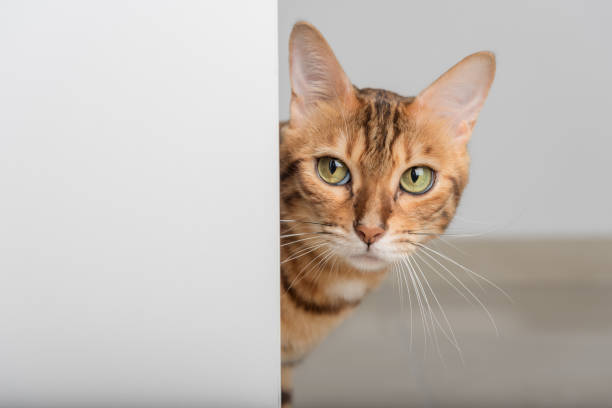

Cats have a reputation for being independent and mysterious, often portrayed as aloof compared to dogs. But if your feline friend follows you from room to room—whether you’re making coffee, folding laundry, or even heading to the bathroom—you might be wondering: Is this love, curiosity, or something else entirely?
The truth is, this behavior can reveal a lot about feline loyalty and the unique bond you share with your cat. Let’s decode the reasons behind this shadow-like companionship and learn how to nurture it.
1. Understanding Feline Loyalty
While dogs tend to show loyalty through obvious signs like wagging tails or jumping with excitement, cats express it in more subtle ways. Feline loyalty isn’t about blind obedience—it’s about trust, comfort, and a strong emotional connection.
When a cat chooses to be near you, it’s because they see you as an important part of their world. In the feline mind, proximity equals security. This behavior often develops over time as they associate you with food, safety, warmth, and affection.
2. Common Reasons Your Cat Follows You
A. Affection and Bonding
One of the most heartwarming explanations is that your cat simply loves your company. Following you around is their way of staying close and being part of your daily routine. This is especially true if they also rub against your legs, purr when you talk to them, or curl up near you.
Signs it’s affection: Slow blinking at you, relaxed body posture, and happy tail movements.
B. Curiosity
Cats are naturally inquisitive creatures. If you’re moving from one place to another, your cat might want to know where you’re going and what you’re doing—especially if it involves food, interesting sounds, or the mysterious opening of cabinets.
Tip: If your cat seems extra curious, give them safe spaces to explore in the rooms you frequent, like window perches or cat trees.
C. Hunger or Treat Requests
Let’s be honest—sometimes loyalty has a little bit of stomach motivation. Cats quickly learn routines, and if following you often results in food or treats, they’ll happily trail behind in hopes of another snack.
Tip: Keep feeding times consistent so your cat knows when to expect meals, reducing food-motivated shadowing.
D. Security and Protection
In the wild, sticking close to a trusted companion can mean survival. At home, this instinct can translate into your cat wanting to stay near their source of comfort and protection—you. Loud noises, unfamiliar guests, or changes in the environment may make your cat clingier.
Tip: Providing a safe space like a cozy bed, cat cave, or elevated perch can give them reassurance even when you’re not around.
E. Play and Stimulation
Sometimes your cat is simply bored and views you as their entertainment provider. They might be hoping you’ll initiate playtime or bring out their favorite toy.
Tip: Schedule short daily play sessions using wand toys, laser pointers, or puzzle feeders to keep them mentally and physically stimulated.
F. Separation Anxiety
Though it’s more commonly associated with dogs, cats can also develop separation anxiety. If your cat follows you everywhere, vocalizes when you leave, or shows distress when you’re gone, they may be experiencing attachment-related stress.
Tip: Gradually build their independence with interactive toys and slow desensitization to your absence.
3. How Feline Loyalty Differs From Dog Loyalty
Dog loyalty often revolves around pack mentality and a desire to please their human leader. Cats, however, are more about mutual respect. Your cat’s loyalty isn’t automatic—it’s earned over time through positive interactions, gentle care, and trust-building.
A loyal cat chooses to be with you, not because they feel obligated, but because they truly want to. That’s what makes feline loyalty so special—it’s selective, genuine, and deeply personal.
4. How to Strengthen Your Cat’s Loyalty
A. Respect Their Boundaries
Pushing a cat to interact when they’re not in the mood can damage trust. Instead, let them initiate contact when possible.
B. Maintain a Consistent Routine
Cats are creatures of habit. Feeding, play, and cuddle times at consistent hours create a sense of stability that reinforces their trust in you.
C. Engage in Positive Play
Interactive play not only provides exercise but also deepens your bond. Use toys that mimic prey movements, which tap into their natural hunting instincts.
D. Offer Safe, Elevated Spaces
Cats love to observe their world from above. Installing shelves or providing tall cat trees allows them to feel secure while staying near you.
E. Communicate Through Body Language
Slow blinking, speaking softly, and moving at a calm pace help your cat feel at ease. Many cats respond positively to these “cat-friendly” cues.
5. When Following Becomes a Concern
While following you is usually a sign of affection or curiosity, sudden changes in this behavior—like increased clinginess or, conversely, avoiding you—can indicate health issues.
Possible concerns:
- Hyperthyroidism, which can increase restlessness
-
Dementia in cats, or feline cognitive dysfunction, is age-related cognitive decline affecting memory, awareness, and behavior.
- Illness causing them to seek comfort
- Stress from environmental changes
If your cat’s behavior shifts dramatically, it’s worth scheduling a vet visit to rule out medical problems.
6. The Emotional Rewards of Feline Loyalty
Having a cat that follows you everywhere can feel like having a furry little bodyguard—or a shadow with whiskers. Beyond the cuteness, it’s a sign you’ve built something truly valuable: trust.
Cats may not always show their loyalty in overt ways, but when they choose to share their space and time with you, it’s one of the highest compliments in the feline world.
Key Takeaways
- Feline loyalty is rooted in trust, affection, and shared routines—not obedience.
- Your cat may follow you out of love, curiosity, hunger, or a need for security.
- Respecting boundaries, keeping routines, and engaging in play can strengthen your bond.
- Sudden behavioral changes should be evaluated by a vet.
Final Thought:
When your pet cat pads along behind you from room to room, remember—it’s not just coincidence. In their eyes, you’re worth following. And in the quiet, subtle language of cats, that might just be the highest form of loyalty they can offer.