


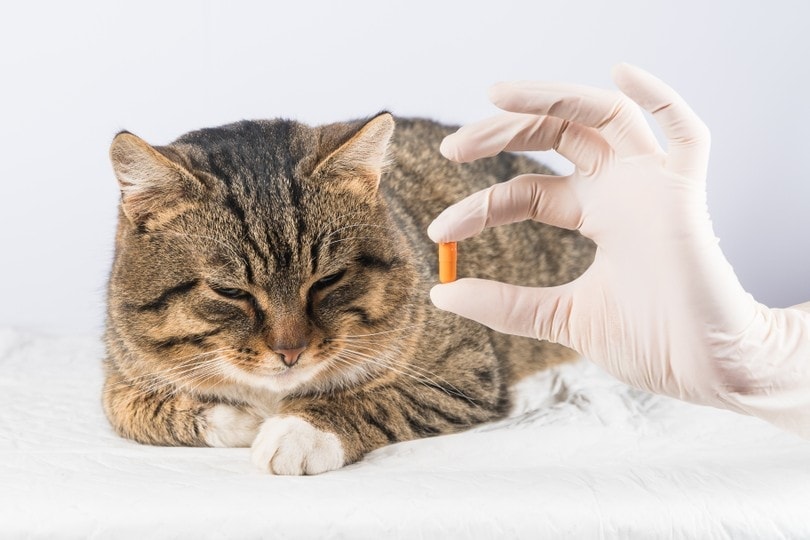


Why Deworming Matters: Tiny Parasites, Big Problems
The Hidden Dangers of Worms in Cats
Cats are natural explorers, whether they’re indoor prowlers or outdoor adventurers. But all that exploring means they’re constantly exposed to potential threats—like worms. Worms, such as roundworms, tapeworms, and hookworms, can cause a range of health issues, from mild discomfort to severe digestive problems. In worst-case scenarios, they can even lead to malnutrition or anemia.
But here’s the kicker: your cat doesn’t have to step outside to catch worms. Cats can get infected by eating contaminated food, drinking water, or even through fleas that carry worm larvae. This means that all cats, regardless of their lifestyle, are at risk.
How Cats Get Worms: The Sneaky Routes Parasites Take
From Fleas to Feasts: How Worms Find Their Way In
Your cat might look like the picture of cleanliness, but worms have a way of sneaking in, no matter how much your kitty grooms. Common ways cats get worms include:
- Fleas: Fleas are notorious for carrying tapeworms. If your cat ingests an infected flea while grooming, it could end up with worms.
- Hunting: Cats with a penchant for hunting might catch worms by eating infected prey, such as rodents or birds.
- Contaminated Environments: Areas where other animals have been can harbor worm eggs, which stick to your cat’s fur and paws.
- Mother to Kitten: Kittens often get worms from their mothers, either during birth or through nursing.
So, whether your feline is an outdoor explorer or a cozy couch potato, worms can find a way. The good news? Regular deworming keeps these uninvited guests out!
Signs Your Cat Might Have Worms: What to Watch For
Spotting the Symptoms Before They Spiral
Cats are masters of disguise, often hiding discomfort or illness. However, some signs can clue you in that your cat might be dealing with worms:
- Vomiting or Diarrhea: Worms can irritate your cat’s stomach and intestines, causing digestive upsets.
- Visible Worms: Spotting worms or worm segments in your cat’s stool or around their anus is a clear red flag.
- Weight Loss: A sudden drop in weight, despite a good appetite, could indicate a worm problem.
- Dull Coat: A cat’s coat is a great indicator of health. A dull, lifeless coat might mean your kitty isn’t absorbing nutrients properly due to worms.
- Scooting: If your cat drags its bottom along the ground, it could be trying to relieve the itchiness caused by worms.
If you notice any of these symptoms, it’s time to take action. A quick trip to the vet will confirm if worms are the culprit and get your cat back on track.
Deworm Schedule: How Often Is Often Enough?
Setting Up a Routine to Keep Your Cat Healthy
Deworming isn’t a one-and-done deal; it’s a continuous commitment to your cat’s health. Here’s a general guideline:
- Kittens: Start deworming as early as 3 weeks old and continue every 2-3 weeks until they’re about 8-12 weeks old. After that, a monthly dewormer until 6 months of age keeps them protected.
- Adult Cats: For adult cats, a routine deworming every three months is usually recommended. If your cat is an avid hunter or spends a lot of time outdoors, more frequent treatments may be necessary.
- Pregnant Cats: Pregnant queens should be dewormed before mating, after mating, and before giving birth to prevent passing worms to their kittens.
Always follow the deworming schedule your vet recommends, as some cats might need more frequent treatment depending on their lifestyle and health.
Choosing the Right Dewormer: Not All Wormers Are Created Equal
Finding the Right Fit for Your Feline Friend
When it comes to dewormers, one size doesn’t fit all. Various medications target different types of worms, so knowing what your cat is dealing with is crucial. Some common dewormers include:
- Broad-Spectrum Dewormers: These target multiple types of worms and are ideal for routine prevention.
- Specific Dewormers: Some medications target only specific worms, such as tapeworms or roundworms, making them perfect for targeted treatment.
Always consult your vet before starting any deworming regimen. They can help you choose the right product based on your cat’s needs and ensure you’re administering the correct dose.
Deworming Your Cat: Prevent Future Worm Infections
Healthy Habits to Keep Your Cat Worm-Free
Prevention is always better than cure. To reduce the risk of future worm infections, adopt these simple habits:
- Regular Flea Control: Since fleas can carry worm larvae, keeping them off your cat is crucial.
- Clean Litter Boxes: Scoop daily and disinfect regularly to minimize exposure to worm eggs.
- Limit Hunting: If your cat is an outdoor enthusiast, try to keep hunting to a minimum.
- Routine Vet Visits: Regular check-ups with your vet will help catch any infections early.
By staying on top of your cat’s health, you’re not just preventing worms—you’re ensuring your furry friend lives their best, worm-free life!