


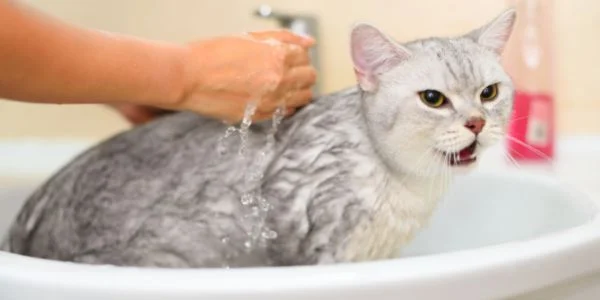


Do cats need baths? Ever wondered if your cat needs a bath? It’s a question that has puzzled pet owners for generations. Cats are famously clean animals, known for their meticulous grooming habits. You’ve probably seen your feline friend spend hours licking their fur, cleaning every inch with precision. But is their self-care routine truly enough to keep them clean, or are there times when a bath is actually necessary?
Do cats need baths if they’re healthy and indoors most of the time? In most cases, healthy cats do a fantastic job of keeping themselves clean. Their tongues are covered in tiny, hook-like structures that help remove dirt and loose fur. However, there are situations when a cat might need a helping hand. Do cats need baths if they’re long-haired or elderly? For instance, long-haired breeds like Persians can struggle to manage all that fur, leading to mats or tangles that require human intervention. Elderly or overweight cats may have trouble reaching certain spots, while outdoor cats might encounter messes their grooming can’t handle—like grease, sticky substances, or mud.
Do cats need baths when they have medical issues? Additionally, if your cat has a skin condition, flea infestation, or gets into something toxic, a bath might be necessary under veterinary guidance. So, while it’s not often needed, do cats need baths occasionally—and with care—can be beneficial. The key is knowing when it’s truly necessary.
The Natural Groomers
How Cats Keep Themselves Clean
Cats are natural groomers, equipped with a built-in cleaning kit. Their rough tongues act like tiny brushes, efficiently removing dirt and loose fur. This self-grooming habit not only keeps them clean but also helps regulate their body temperature. Moreover, grooming serves as a way for cats to relax and unwind, akin to a feline spa day. However, even the most meticulous groomers might need a bit of assistance now and then.
When Bathing Becomes Necessary
Situations That Call for a Bath
While cats do a stellar job of grooming themselves, certain situations might warrant a bath. For instance, if your kitty has gotten into something sticky or smelly, a bath might be the only solution. Similarly, older or overweight cats might struggle to reach certain areas, leading to potential hygiene issues. Additionally, certain medical conditions or infestations, like fleas, can make a baths necessary to ensure your cat’s health and well-being.
Bath Time Basics
Preparing for the Splash
Bathing a cat might sound like a daunting task, but with the right preparation, it can be a smooth process. First, gather all the necessary supplies: a gentle cat-specific shampoo, a pitcher for rinsing, a non-slip mat, and a few towels. It’s also a good idea to trim your cat’s nails beforehand to avoid any accidental scratches. Choosing a calm, quiet time can make the experience less stressful for both you and your feline friend.
The Step-by-Step Bath Guide
Making Bath Time Fun and Easy
Ready to give it a go? Start by filling the sink or tub with a few inches of lukewarm water. Gently place your cat in the water, using soothing words to keep them calm. Wet their fur thoroughly, avoiding the head area, and apply the shampoo, lathering it gently. Use the pitcher to rinse thoroughly, ensuring no soap residue is left behind. Finally, wrap your kitty in a towel and dry them off, giving them plenty of praise and maybe a treat or two for their cooperation.
Alternative Cleaning Methods
No Water? No Problem!
If the thought of bathing your cat sounds like a Herculean task, there are alternative cleaning methods that can help. Dry shampoos and pet wipes can be effective in cleaning your cat without the drama of a baths. These products are specially formulated to be safe for cats and can help remove dirt and odors. Regular brushing is also a great way to keep your cat’s coat clean and reduce shedding.
Post-Bath Care
Keeping Your Cat Comfortable
Do cats need baths? After giving your cat a bath, it’s crucial to ensure they stay warm, dry, and comfortable. Cats generally dislike being wet and may feel stressed or vulnerable afterward, so handling them gently and patiently is key. Do cats need baths? It’s a common question, especially since most cats groom themselves regularly. Begin by wrapping your cat in a soft, absorbent towel, carefully blotting their fur to remove excess water without rubbing too vigorously, as this can irritate their skin or cause further distress. You may need more than one towel if your cat has long or thick fur.
If your cat tolerates it, you can use a hairdryer on a low, cool setting to help speed up the drying process. Do cats need baths even if they stay indoors all the time? In some cases—like if they get into something messy or have a skin condition—baths can be helpful. Keep the dryer at a safe distance and avoid directing the airflow toward their face or ears. Make sure the room you’re using is warm and free from drafts, as a cold environment can quickly chill a damp cat, leading to discomfort or illness.
Once mostly dry, place your cat in a quiet, comfortable spot—perhaps with a soft blanket or in their favorite bed. Many cats like to groom themselves after a bath to restore their scent and sense of normalcy. Do cats need baths? Not often, but when they do, making the experience as stress-free as possible is important. Give them space and time to relax, offering gentle reassurance if needed. Treats or soothing words can help reinforce a positive association with the experience. Do cats need baths? Ultimately, it depends on the individual cat and their lifestyle.