

Dogs and wolves share a fascinating evolutionary history. While dogs (Canis lupus familiaris) have been domesticated for thousands of years, many breeds still retain the physical features, behavioral instincts, and genetic makeup of their wild ancestors. Whether it’s the penetrating gaze, powerful build, or keen pack instincts, some dogs whisper wolf with every movement.
In this guide, we’ll take you on a journey through the top dog breeds closest to wolves, exploring their appearance, temperament, and how much of their ancient heritage still runs in their blood. These breeds may not be actual wolves, but they’re the next best thing—majestic, intelligent, and deeply loyal.
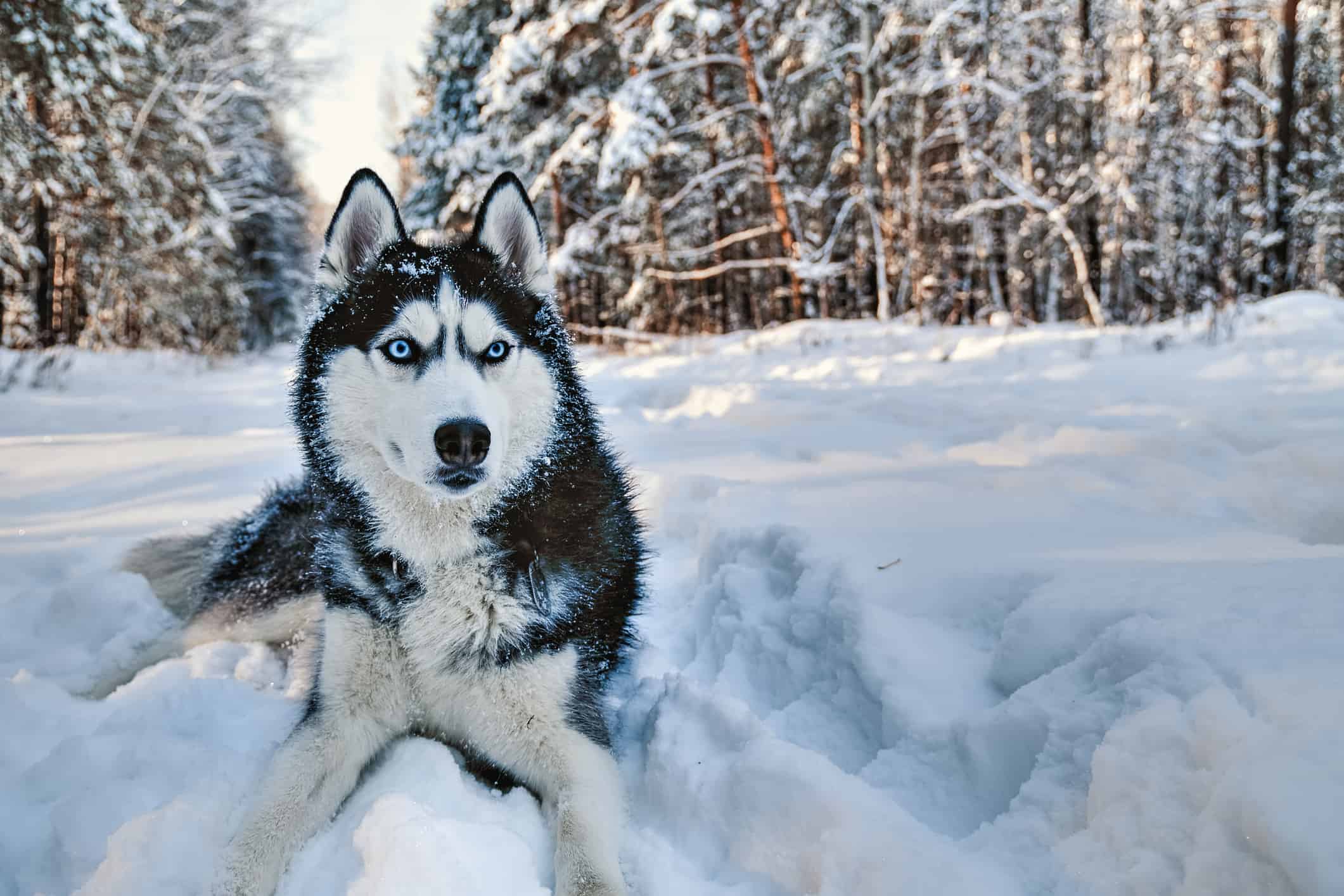
1. Siberian Husky

Why They’re Wolf-Like:
-
Striking wolf-like appearance with erect ears, almond-shaped eyes, and thick fur
-
Strong pack instincts and high energy levels
-
Originally bred by the Chukchi people of Siberia for sled-pulling and endurance
Wolf Ancestry Factor:
While not genetically the closest, the Siberian Husky looks and acts very much like a wolf—athletic, independent, and resilient.
2. Alaskan Malamute

Why They’re Wolf-Like:
-
Powerful build and deep chest, like arctic wolves
-
Used for sledding, hauling freight, and surviving harsh climates
-
Thick coat, broad head, and social behavior
Wolf Ancestry Factor:
Malamutes are among the oldest Arctic sled dogs, with direct working lineage linked to survival in pack environments, similar to wolves.
3. Czechoslovakian Wolfdog

Why They’re Wolf-Like:
-
A direct hybrid between a Carpathian wolf and German Shepherd
-
Bred for military use in the 1950s in Czechoslovakia
-
Agile, alert, and incredibly intelligent
Wolf Ancestry Factor:
Genetically one of the closest domestic breeds to wolves, this breed is truly a modern-day wolf echo—not for novice owners.
4. Saarloos Wolfdog

Why They’re Wolf-Like:
-
Bred in the 1930s by crossing a European wolf with a German Shepherd
-
Retains a high level of wolf DNA
-
Known for its aloof nature and shyness around strangers
Wolf Ancestry Factor:
The Saarloos Wolfdog looks almost identical to a gray wolf and behaves similarly in terms of alertness and pack sensitivity.
5. Tamaskan Dog

Why They’re Wolf-Like:
-
Bred to resemble wolves using a mix of Husky, Malamute, and German Shepherd lines
-
Intelligent, energetic, and social
-
Excellent family dog with wolfy looks but a tamer disposition
Wolf Ancestry Factor:
The Tamaskan isn’t genetically closest, but visually and behaviorally, it channels a wolf-like presence in a more manageable form.
6. Utonagan

Why They’re Wolf-Like:
-
A mix of Siberian Husky, Alaskan Malamute, and German Shepherd
-
Developed in the UK for wolf-like looks without wild traits
-
Loyal, intelligent, and trainable
Wolf Ancestry Factor:
Though not a direct wolf hybrid, the Utonagan was bred purely for aesthetic wolf traits, making it a visual doppelgänger with a sweet nature.
7. Canadian Eskimo Dog (Qimmiq)

Why They’re Wolf-Like:
-
One of the oldest indigenous dog breeds in North America
-
Used by the Inuit for hunting and pulling sleds
-
Tough, independent, and protective
Wolf Ancestry Factor:
Canadian Eskimo Dogs retain primal features and instincts, though they are gentler than they appear—a rare and noble breed.
8. Shikoku Dog

Why They’re Wolf-Like:
-
Native to Japan and closely related to ancient spitz breeds
-
Sharp features, primitive hunting instincts, and loyalty
-
Agile and alert like wild canids
Wolf Ancestry Factor:
The Shikoku doesn’t just look wild—it thinks like a wolf, thriving with a confident owner and a purpose.
9. Greenland Dog

Why They’re Wolf-Like:
-
Ancient sled dog breed, used for transport and hunting in Greenland
-
Independent and pack-driven
-
Physically robust with a thick coat and powerful stance
Wolf Ancestry Factor:
The Greenland Dog has survived the Arctic for generations with minimal human interference—closely tied to its wolf ancestors in instinct and resilience.
10. Northern Inuit Dog

Why They’re Wolf-Like:
-
Developed in the UK in the 1980s to mimic wolves for TV and film
-
Used as the “direwolves” in Game of Thrones
-
Smart, affectionate, but can be strong-willed
Wolf Ancestry Factor:
Though selectively bred from Husky, Malamute, and Shepherd stock, the Northern Inuit Dog checks nearly every visual and behavioral wolf box.
How Close Are These Breeds to Wolves Genetically?
While all domestic dogs share about 98.8% of their DNA with gray wolves, that final 1.2% accounts for major behavioral differences. Breeds like the Czechoslovakian Wolfdog and Saarloos Wolfdog have actual wolf ancestry introduced in recent history, placing them closest to wild wolves both genetically and behaviorally.
Other breeds, like Siberian Huskies or Malamutes, were never directly hybridized with wolves but retain many wolf-like traits through centuries of selective breeding for work and survival.
Living With a Wolf-Like Dog: What to Expect
If you’re enchanted by these majestic breeds, there are some important considerations before bringing one home:
-
High Exercise Needs: These dogs are built for endurance and adventure. Breeds like the Siberian Husky, Alaskan Malamute, and Tamaskan thrive on daily physical and mental stimulation. Expect to dedicate at least 1–2 hours per day to vigorous activities such as hiking, running, agility training, or pulling weighted carts. Without proper exercise, these breeds can become restless, destructive, or even depressed.
-
Independent Minds: Many wolf-like breeds have a strong will and an independent streak, inherited from their working or primitive ancestry. Unlike more obedient breeds that are eager to please, wolf-descendant dogs tend to think for themselves. Training must be firm, consistent, and based on positive reinforcement, with patience and respect. Harsh corrections often backfire, leading to mistrust or stubbornness. Early socialization and structured guidance are key to raising a well-behaved companion.
-
Strong Pack Instincts: These breeds are highly social and loyal, often forming intense bonds with their human family members. However, this also means they may suffer from separation anxiety if left alone for long periods. They crave companionship and structure. In multi-pet households, introducing them to other animals—especially smaller pets—should be done with care and supervision. Their pack instincts can also result in protective or dominant behaviors, especially if they’re not well-socialized.
-
Proper Fencing Needed: Many wolf-like dogs are expert escape artists. They can leap high fences, dig underneath, or even open gates. Their intelligence combined with curiosity makes them natural explorers. If left in a yard, your fencing should be at least 6 feet tall, dig-proof, and fully enclosed. Never leave them unattended for long stretches, especially in areas where wildlife or unfamiliar animals may provoke their instinct to roam or protect.
-
Shedding and Grooming: These breeds typically have dense double coats designed to handle extreme weather—great for cold climates, but not so great for your furniture. Expect heavy seasonal shedding, especially in spring and fall. Regular brushing (several times a week) is essential to manage fur, prevent matting, and reduce allergens around the home.
In the right home with the right guidance, these breeds become deeply loyal companions—and a living link to the wild.
Final Thoughts
If you’ve ever looked into your pet dog’s eyes and seen something ancient staring back, you’re not imagining things. Dog breeds closest to wolves carry with them the instincts, intelligence, and raw beauty of their wild ancestors. From direct hybrids like the Czechoslovakian Wolfdog to ancient Arctic sled dogs like the Greenland Dog, these unique pets remind us of a time when dogs roamed freely through forests and tundras—untamed, powerful, and deeply connected to nature.
Choosing one of these breeds means embracing their independence, energy, and primal spirit. It’s a responsibility—but for the right owner, it’s also a magical, lifelong bond.