





As a dedicated dog owner, you want the very best for your furry companion. While selecting a high-quality dog food is essential, many pet parents are now discovering the added benefits of dog food toppers — delicious and nutritious add-ons that enhance your dog’s meals, providing extra flavor, moisture, and health benefits. Whether your pup is a picky eater, recovering from illness, or just needs a little extra nutrition, dog food toppers can be a game-changer. In this comprehensive guide, we’ll break down everything you need to know about dog food toppers, why vets recommend them, the different types available, and how to choose the right one for your pup.
What Exactly Are Dog Food Toppers?
Dog food toppers are supplemental foods or additives placed on top of your dog’s regular meals to enhance taste, texture, and nutritional value. Unlike treats or snacks, toppers are intended to complement the primary diet rather than replace it. They come in various forms including wet canned varieties, freeze-dried morsels, powders, broths, and even fresh homemade options.
Benefits of Using Dog Food Toppers
-
Increase Palatability: Some dogs, especially picky eaters or seniors with diminished senses, may lose interest in their regular kibble. Toppers can entice their appetite by adding appealing flavors and aromas.
-
Boost Nutritional Content: Many toppers contain added vitamins, minerals, proteins, and supplements like probiotics or glucosamine to support joint health, digestion, or skin and coat condition.
-
Improve Hydration: Wet toppers add moisture to dry kibble, which helps maintain hydration, an important factor especially for dogs prone to urinary or kidney issues.
-
Support Specific Health Needs: Targeted toppers can assist in weight management, digestive health, immune support, or allergy relief.
Why Vets Recommend Dog Food Toppers
Veterinarians frequently suggest adding dog food toppers for several reasons related to improving health outcomes and eating habits.
1. Encourage Eating in Sick or Picky Dogs
Dogs recovering from illness, surgery, or undergoing chemotherapy may have reduced appetites. Adding a tasty topper can stimulate their desire to eat and help maintain nutrition during recovery.
2. Provide Targeted Nutritional Support
For dogs with specific health concerns like arthritis, skin allergies, or digestive issues, vets might recommend toppers enriched with ingredients such as omega-3 fatty acids, glucosamine, or probiotics to help manage symptoms.
3. Aid Hydration and Digestion
Dry kibble alone often doesn’t provide sufficient moisture. Wet or broth-based toppers increase fluid intake and can soothe irritated digestive tracts.
4. Help with Weight Control
Toppers that add flavor without excess calories can make low-calorie diets more appealing, supporting weight loss efforts while keeping your dog satisfied.
Different Types of Dog Food Toppers
With so many options on the market, choosing the right type of topper can seem overwhelming. Here’s a breakdown of the most popular varieties and their benefits:
Wet or Canned Toppers


Often made with real meat, vegetables, and broth, wet toppers are highly palatable and add much-needed moisture. They’re excellent for senior dogs or those recovering from illness.
Freeze-Dried and Dehydrated Toppers
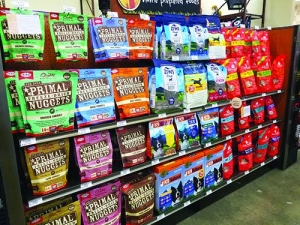

These retain most nutrients by removing moisture without cooking, preserving flavor and texture. They are easy to store and can be rehydrated with water before serving.
Powdered Toppers


Powders are usually nutrient-rich blends containing vitamins, minerals, herbs, and probiotics. They are convenient to sprinkle over dry food and ideal for dogs needing specific supplements.
Bone Broth and Liquid Toppers


Bone broth toppers provide natural collagen, minerals, and hydration. They help support joint health, digestion, and add flavor to meals.
Homemade Toppers
Some owners prefer making their own toppers with cooked meats, eggs, pumpkin, or vegetables. While fresh and natural, it’s important to ensure homemade toppers are balanced and vet-approved.
How to Choose the Right Dog Food Topper
Selecting a dog food topper depends on your dog’s individual health needs, dietary restrictions, and taste preferences.
1. Identify Your Dog’s Needs
-
Picky eater? Choose a flavorful wet or freeze-dried topper.
-
Joint issues? Look for toppers with glucosamine and chondroitin.
-
Digestive concerns? Opt for probiotic powders or bone broth.
-
Weight management? Select low-calorie toppers without fillers or sugars.
2. Review Ingredient Quality
Select toppers made with real, whole-food ingredients free from artificial preservatives, colors, or fillers. Ingredients like real meat, fish oils, vegetables, and wholesome grains are best.
3. Monitor Calorie Content
Toppers add calories, so be mindful if your dog is on a calorie-controlled diet. Adjust the portion of the base food accordingly.
4. Consult Your Veterinarian
Before adding supplements or significant diet changes, discuss options with your vet to ensure the topper supports your dog’s specific health conditions.
Vet-Recommended Dog Food Toppers
Here are some popular, vet-endorsed toppers to consider:
Stella & Chewy’s Freeze-Dried Raw Toppers
Made from raw, whole animal proteins like beef, chicken, or fish, these toppers provide nutrient-dense, flavorful additions that enhance taste and nutrition.
Dr. Harvey’s Canine Health Miracle
A powdered supplement blend filled with organic herbs, vitamins, and minerals designed to improve immune function, energy, and overall health.
The Honest Kitchen Bone Broth
A natural, nutrient-rich liquid topper packed with collagen and minerals that supports joint, skin, and gut health while adding moisture.
Zesty Paws Probiotic Bites
While designed as treats, these can be crumbled over meals to provide probiotics and prebiotics for digestive support.
Canned Pumpkin
A natural fiber-rich topper that promotes digestive health and soothes upset stomachs. Always use plain pumpkin without added sugars or spices.
How to Introduce Dog Food Toppers Safely
To avoid digestive upset and ensure your dog accepts the new addition:
-
Start slowly: Mix a small amount of topper into their regular food and gradually increase the quantity.
-
Watch for reactions: Look for signs of allergies, vomiting, or diarrhea.
-
Adjust feeding amounts: Reduce the amount of regular food if the topper adds extra calories.
-
Maintain a balanced diet: Use toppers as supplements, not replacements for complete meals.
Common Questions About Dog Food Toppers
Can my dog have toppers every day?
Yes, daily use is generally safe if you balance total calorie intake and choose high-quality toppers.
Will toppers cause my dog to refuse their regular food?
If overused, toppers might spoil picky dogs. Use toppers to enhance meals, not as a permanent substitute.
Are toppers safe for dogs with allergies?
Always check ingredients and consult your vet, especially if your dog has known food sensitivities.
Dog food toppers are a fantastic tool for improving your dog’s mealtime experience, boosting nutrition, and addressing specific health concerns. By choosing quality toppers, introducing them carefully, and consulting your veterinarian, you can ensure your pup enjoys tasty, nutritious meals that support their overall well-being.
Remember, every dog is unique. Pay attention to your dog’s reactions and preferences, and enjoy the benefits of a happy, healthy eater.