


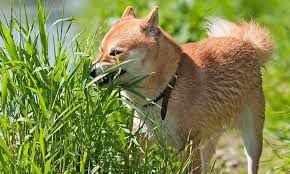


Introduction: The Curious Connection Between Dogs and Grass
If you’ve ever watched your furry friend enthusiastically roll around in your lawn or munch on grass blades with apparent enjoyment, you’re witnessing one of the most common yet puzzling canine behaviors. The relationship between dogs and grass is complex and fascinating—rooted in both instinct and learned behavior. While most pet parents have observed their dogs interacting with grass, many wonder whether this natural attraction poses any risks to their pet’s health.
This comprehensive guide explores everything you need to know about dogs and their grass-eating habits, rolling behaviors, potential allergies, and how to ensure your lawn remains a safe playground for your canine companion. Whether you have a dedicated grass-muncher or a passionate roller, understanding this behavior is key to managing your dog’s health and ensuring their outdoor experiences remain positive and safe.


Why Do Dogs Eat Grass? The Science Behind the Behavior
One of the most common questions pet owners ask veterinarians is: “Why does my dog eat grass?” This seemingly strange dietary choice actually has several potential explanations, backed by both scientific research and veterinary observations.
Evolutionary Instinct
Dogs descended from wild canids that would consume the entire contents of their prey, including the plant material in herbivores’ stomachs. This evolutionary history may explain why modern domesticated dogs still retain an instinct to nibble on vegetation.
According to a study published in the Journal of Veterinary Behavior, grass-eating is considered a normal behavior that dogs inherited from their wild ancestors, suggesting it serves some biological purpose rather than being purely behavioral.
Digestive Self-Medication
Many dog owners report that their pets eat grass and then vomit shortly afterward, leading to the popular theory that dogs consume grass deliberately to relieve stomach discomfort.
Dr. Michael Goldberg of the American Veterinary Medical Association notes, “While some dogs may eat grass to induce vomiting when feeling unwell, research shows only about 25% of dogs actually vomit after grass consumption, suggesting this isn’t the primary motivation for most dogs.”
Nutritional Supplementation
Some experts believe that dogs may eat grass to supplement their diet with additional fiber or nutrients. If your dog’s commercial food lacks certain elements, they might instinctively seek them from natural sources.
Psychological Factors
For many dogs, grass-eating may simply be a response to:
- Boredom or lack of mental stimulation
- Anxiety or stress
- Attention-seeking behavior
- Simple enjoyment of the taste or texture
Dr. Karen Becker of Healthy Pets explains, “Sometimes dogs eat grass simply because they like it. The fresh taste and texture can be appealing, especially to dogs who enjoy a variety of sensory experiences.”
Is Grass Safe for Dogs? Understanding the Risks
The good news is that grass itself is generally safe for dogs to consume in small amounts. However, there are several factors that can make what seems like an innocent activity potentially dangerous.
When Grass Is Safe for Dogs
Under these conditions, occasional grass consumption is typically harmless:
- The grass is untreated with chemicals
- The amount consumed is small
- Your dog shows no adverse reactions
- The area is free of toxic plants or mushrooms
When Grass Becomes Dangerous
Unfortunately, there are several scenarios where grass can pose health risks:
Chemical Exposure
Modern lawn care often involves chemicals that can be toxic to pets:
- Pesticides
- Herbicides
- Fertilizers
- Fungicides
According to the ASPCA Animal Poison Control Center, lawn treatment chemicals are among the top ten pet toxins reported annually.
Parasites and Bacteria
Grass can harbor various organisms that may affect your dog’s health:
- Intestinal parasites (roundworms, hookworms)
- Giardia and coccidia
- Bacteria from animal waste
Mechanical Injuries
Certain types of grass can cause physical injuries:
- Foxtails and other grass awns can become embedded in paws, ears, or nose
- Sharp-edged grasses can cause mouth or throat irritation
Comparative Safety of Different Grass Types for Dogs
| Grass Type | Safety Level | Benefits | Potential Concerns |
|---|---|---|---|
| Kentucky Bluegrass | High | Soft texture, resilient | May contain lawn treatments |
| Bermuda Grass | Medium-High | Durable, withstands traffic | Coarser texture, can cause irritation |
| Tall Fescue | Medium | Heat tolerant, low maintenance | Contains endophytes that may cause allergies |
| Ryegrass | Medium | Quick growing, soft | Higher pollen content |
| St. Augustine | Low-Medium | Shade tolerant | Often heavily treated with chemicals |
| Artificial Turf | Varies | No chemicals, no pollen | Can become hot, harbors bacteria if not cleaned |
Why Do Dogs Roll in Grass? Decoding the Behavior
Beyond eating grass, many dogs also love to roll in it—sometimes with impressive enthusiasm and abandon. This behavior, while amusing to watch, also has several potential explanations.


Instinctual Scent Marking
Wild canids roll in strong-smelling substances to disguise their scent when hunting or to bring information back to their pack. Your domestic dog may be engaging in this ancestral behavior when they find an interesting smell in your yard.
Physical Relief
Rolling on grass can provide physical benefits:
- Relief from itchy skin or allergies
- Back scratching in hard-to-reach places
- Cooling off on hot days
Expression of Joy
Sometimes, the simplest explanation is the most accurate—many dogs roll in grass simply because it feels good and brings them joy. The sensation of cool grass against their fur can be a sensory pleasure.
Grass Allergies in Dogs: Signs, Symptoms, and Solutions
While many dogs enjoy grass without issues, others may experience allergic reactions to grass. Contact allergies and pollen allergies are both common in dogs, with grass being a frequent culprit.
Common Symptoms of Grass Allergies in Dogs
Watch for these signs that may indicate your dog is allergic to grass:
- Skin Symptoms:
- Redness or inflammation, especially on belly, paws, and muzzle
- Excessive scratching or chewing
- Hot spots or hair loss
- Hives or bumps
- Respiratory Symptoms:
- Sneezing or reverse sneezing
- Watery eyes
- Coughing
- Nasal discharge
- Behavioral Symptoms:
- Rubbing face on furniture or carpet
- Excessive licking, particularly of paws
- Restlessness or irritability
Managing Dog Grass Allergies
If you suspect your dog has grass allergies, here are some effective management strategies:
Preventive Measures
- Wipe your dog’s paws and belly with hypoallergenic pet wipes after outdoor time
- Create grass-free zones in your yard using mulch, stone, or pavers
- Consider protective clothing like dog boots or belly bands during peak allergy season
- Maintain regular bathing with hypoallergenic shampoo
Treatment Options
- Consult with your veterinarian about appropriate antihistamines
- Consider omega-3 fatty acid supplements to reduce inflammation
- Topical treatments to soothe irritated skin
- In severe cases, immunotherapy may be recommended
Dr. Jean Dodds of Hemopet suggests, “Identifying and managing grass allergies early can prevent more serious skin conditions from developing. If your dog shows persistent signs of irritation after grass exposure, seeking veterinary care is essential.”
Creating a Dog-Safe Lawn: Best Practices
For dog owners who want to maintain a beautiful lawn that’s also safe for their pets, striking the right balance requires careful planning and maintenance.
Dog-Friendly Lawn Care Strategies
Safe Products and Alternatives
- Use organic, pet-safe fertilizers
- Consider corn gluten meal as a natural weed preventative
- Explore biological controls for pests rather than chemical pesticides
- Allow for longer drying times than package recommendations suggest before allowing pet access
Landscape Planning
- Select dog-hardy grass varieties like Kentucky Bluegrass or Bermuda
- Create designated play zones with sturdy groundcover
- Install proper drainage to prevent muddy areas
- Consider raised garden beds to protect delicate plants
Toxic Plants to Avoid in Dog-Accessible Areas
According to the Pet Poison Helpline, these common landscape plants can be dangerous to dogs and should be avoided:
- Autumn Crocus
- Azalea/Rhododendron
- Cyclamen
- Daffodils
- Foxglove
- Lily of the Valley
- Sago Palm
- Tulips and Hyacinths
- Yew
Indoor Alternatives for Dogs Without Grass Access
Not all dogs have regular access to grassy areas, particularly those living in apartments or urban environments. Fortunately, there are several options to provide similar sensory experiences.


Dog Grass Pad Options
- Real Grass Subscription Services: Companies now offer real grass pads delivered to your door on a regular schedule
- Artificial Turf Pads: Synthetic options that mimic grass texture and appearance
- DIY Wheatgrass Planters: Grow pet-safe grass indoors for supervised munching
Benefits of Indoor Grass Options
- Provides enrichment and sensory stimulation
- Offers a designated bathroom area for apartment dogs
- Satisfies natural grazing instincts safely
- Creates a connection to nature for urban pets
When to Worry: Red Flags for Veterinary Attention
While occasional grass interaction is normal, certain signs indicate that your dog’s grass-related behavior might require professional attention.
Concerning Behaviors Related to Grass
Consult your veterinarian if you notice:
- Excessive grass consumption (more than occasional nibbling)
- Frequent vomiting after eating grass
- Signs of gastrointestinal distress like diarrhea or decreased appetite
- Obsessive grass-eating that can’t be redirected
- Visible parasites in stool after grass consumption
Featured Snippet: When Is Grass Eating a Problem?
Most dogs eat grass occasionally without cause for concern. However, grass-eating becomes problematic when:
- It occurs suddenly and excessively
- It’s accompanied by other symptoms like lethargy, weight loss, or changes in appetite
- Your dog shows signs of distress while eating grass or afterward
- The behavior becomes compulsive or obsessive
- Your dog is ingesting grass from chemically treated areas
FAQ: Common Questions About Dogs and Grass
Can puppies eat grass safely?
Puppies can eat small amounts of untreated grass, but they’re more vulnerable to parasites and toxins. Monitor closely and prevent excessive consumption.
Is grass-eating a sign of a poor diet?
Not necessarily. Even dogs on premium diets may eat grass. However, if combined with other symptoms like weight loss or dull coat, consult your veterinarian about potential nutritional deficiencies.
How can I stop my dog from eating grass?
Complete prevention isn’t always necessary if the behavior is occasional and harmless. For problematic grass-eating:
- Increase exercise and mental stimulation
- Provide appropriate chew toys
- Consider offering dog-safe greens like carrots or green beans
- Use positive reinforcement to train “leave it” commands
Can dogs digest grass?
Dogs lack the necessary enzymes to fully digest large amounts of grass, which is why undigested grass often appears in their stool.
Conclusion: Embracing Safe Grass Interaction
The relationship between dogs and grass is multifaceted—rooted in instinct, behavior, and sometimes health needs. By understanding why your dog interacts with grass and taking appropriate precautions to ensure that interaction is safe, you can allow your pet to enjoy one of the simple pleasures of being a dog.
Remember that moderation is key. Occasional grass nibbling or enthusiastic rolling sessions are typically normal behaviors that can be part of a happy, healthy canine life. By creating a safe lawn environment, monitoring for concerning patterns, and seeking veterinary guidance when needed, you can ensure your dog’s natural attraction to grass remains a positive aspect of their life.
What grass-related behaviors have you noticed in your dog, and how do you manage them? Share your experiences in the comments below!
Disclaimer: This article is for informational purposes only and is not a substitute for professional veterinary advice. Always consult with your veterinarian regarding the health and safety of your pet.