


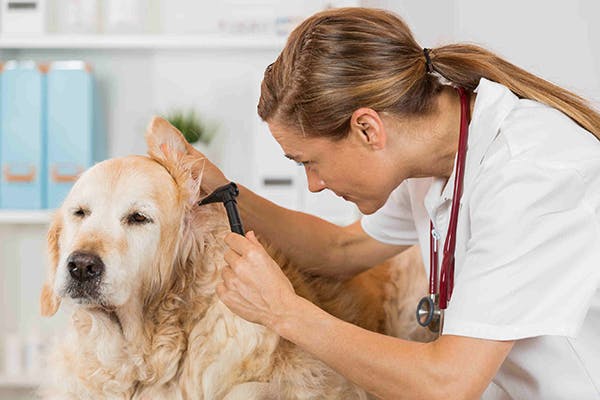


Ah, the woes of dry skin! It’s not just a human problem—our furry companions can struggle with it too. One of the most common trouble spots is the ears. Dry Skin on Dog’s Ears can be more than a minor irritation; it can lead to constant discomfort, itchiness, and even infections if left unchecked. Recognizing the signs of Dry Skin on Dog’s Ears early is key. Flaky patches, redness, scabs, or your dog persistently scratching or shaking its head are clear indicators that something isn’t quite right.
But what causes this itchy dilemma? There isn’t just one answer. Allergies are a major culprit, whether they stem from certain foods, seasonal pollen, or dust mites. These allergens can trigger inflammation and dryness that target sensitive areas like the ears. Parasites, including mites or fleas, are another possibility, often causing intense itching and irritation. Environmental factors, such as cold, dry weather or exposure to harsh shampoos, can strip away natural oils that protect the skin and worsen Dry Skin on Dog’s Ears. Additionally, some breeds are simply more prone to skin issues—particularly those with long, floppy ears and thick fur, which create the perfect environment for irritation.
By spotting the signs of Dry Skin on Dog’s Ears early and addressing potential causes, you can help your pup stay comfortable and keep those ears healthy.
Prevention is Better Than Cure
Keeping Your Pup’s Ears Healthy
Why wait for the itch to start when you can prevent it altogether? Prevention strategies are your first line of defense. Regular grooming is a must. Clean your dog’s ears routinely to avoid the buildup of dirt and wax, which can exacerbate dryness.
Diet plays a crucial role too. Ensure your dog gets a balanced diet rich in omega-3 fatty acids, which help maintain healthy skin. Hydration is equally important; always provide plenty of fresh water. Also, consider using a humidifier at home to combat dry air, especially during winter months. By taking these preventive measures, you can help your dog avoid the discomfort of dry skin on their ears.
Home Remedies to the Rescue
Natural Solutions for Soothing Itchiness
When prevention falls short, home remedies can come to the rescue. These natural solutions can soothe your dog’s dry, itchy ears without breaking the bank. Coconut oil is a fantastic moisturizer. Just a small amount massaged into the ears can provide relief and hydration.
Aloe vera is another great option, known for its soothing properties. You can apply a small amount of pure aloe vera gel to the affected areas. Oatmeal baths are also highly effective. They not only soothe the skin but also provide much-needed moisture. Finally, fish oil supplements can work wonders from the inside out, promoting overall skin health.
When to See the Vet
Knowing When It’s Time for Professional Help
Sometimes, despite your best efforts, home remedies and preventive measures aren’t enough. If your dog’s dry skin persists or worsens, it’s time to call in the professionals. Persistent redness, swelling, or a foul odor from the ears are red flags that need a vet’s attention.
Your vet may prescribe medicated shampoos or ear drops tailored to your dog’s specific needs. In cases where allergies are the root cause, allergy testing and specialized treatments might be necessary. Remember, it’s always better to seek professional help sooner rather than later to prevent more severe issues down the line.
The Role of Diet in Skin Health
Feeding Your Way to Healthier Skin
As the saying goes, “You are what you eat,” and this holds true for our canine companions as well. A proper diet is fundamental to maintaining healthy skin and preventing dryness. Foods rich in omega-3 and omega-6 fatty acids, like fish oil and flaxseed, can significantly improve your dog’s skin condition.
Consider incorporating high-quality protein sources and ensuring your dog’s diet is balanced and complete. Sometimes, adding a dietary supplement might be necessary, especially if your dog is prone to skin issues. Consulting with your vet can help you choose the best dietary plan tailored to your pet’s needs.
Dry Skin on Dog’s Ears: Grooming Tips for Healthy Ears
Keeping Those Ears Clean and Comfortable
Regular grooming goes a long way in preventing and managing Dry Skin on Dog’s Ears. When you make grooming part of your dog’s routine, you’re not only helping them look their best but also supporting their overall health. One important step is to use a gentle, dog-friendly cleanser to clean the ears on a regular basis. This helps remove dirt, wax buildup, and potential irritants that can lead to Dry Skin on Dog’s Ears. However, it’s best to avoid cotton swabs, as they may push debris deeper into the ear canal, causing more harm than good.
Brushing your dog’s fur is another simple but effective way to promote skin health. Regular brushing distributes natural oils evenly across the skin and coat, which keeps both soft, shiny, and hydrated. This can be especially beneficial for dogs prone to Dry Skin on Dog’s Ears. If your dog has long or floppy ears, take extra care to keep the ear area clean, dry, and free of excessive hair that might trap moisture and lead to irritation.
In addition, scheduling regular visits with a professional groomer is a smart step. Groomers can trim excess hair, spot early signs of ear issues, and provide advice tailored to your dog’s specific coat and skin needs. With consistent care, your dog’s ears can stay healthy, comfortable, and less prone to Dry Skin on Dog’s Ears, ensuring that grooming remains a powerful way to protect against irritation. Ultimately, addressing Dry Skin on Dog’s Ears early helps keep your pet happy and itch-free.