


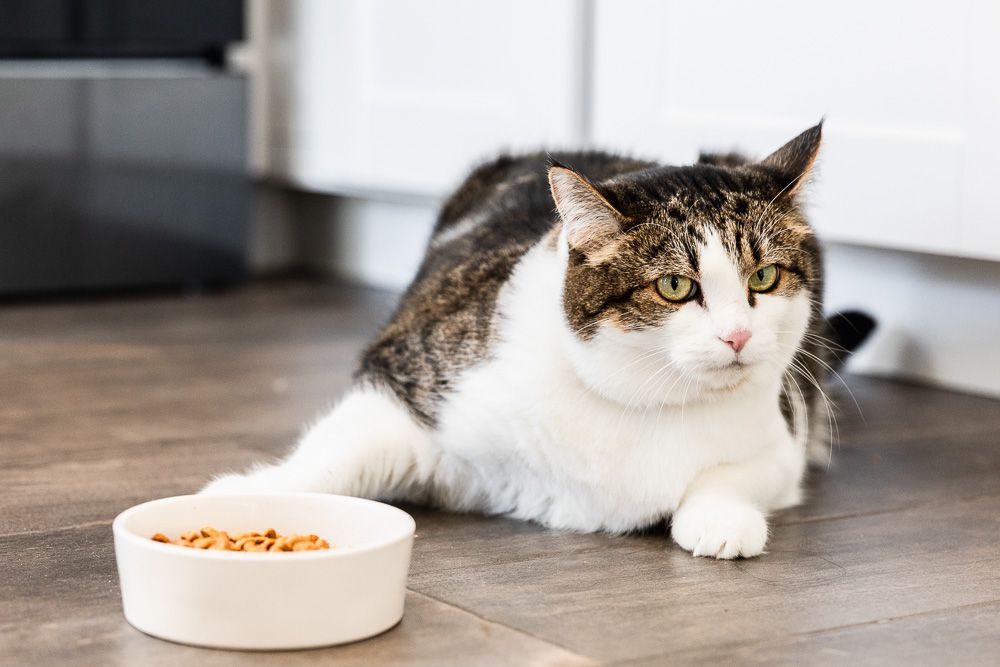


When it comes to feeding our feline friends, most cat owners rely on commercial cat food to ensure their pets are getting the nutrition they need. And for good reason—high-quality cat food is designed to meet all of your cat’s dietary requirements. But every once in a while, you might find yourself wondering: Can I share a bite of this chicken? Is it okay if my cat eats a bit of my yogurt?
The good news is that there are several human foods that are perfectly safe (and even beneficial) for cats to eat—when served correctly. Whether you’re looking to add variety to your pet’s meals, treat them to something special, or offer support during a health hiccup, this guide will walk you through safe, nutritious, and tasty foods cats can eat beyond cat food.
Why It’s Important to Know What Foods Cats Can Eat
Cats are obligate carnivores, which means their bodies are built to thrive on a diet rich in meat. While dogs can tolerate a wider variety of foods, cats have specific requirements for amino acids like taurine, vitamins like vitamin A, and fatty acids like arachidonic acid that are only found in animal-based proteins.
Feeding the wrong foods—even with good intentions—can lead to nutrient deficiencies, digestive upset, or in serious cases, toxicity. Knowing what’s safe ensures you’re treating your cat without putting their health at risk.
Guidelines for Feeding Cats Human Food
Before sharing your snack with your cat, remember these safety tips:
-
Always cook meat thoroughly and serve it unseasoned (no salt, garlic, or onions).
-
Portion size matters. Even healthy treats should make up less than 10% of their total diet.
-
Avoid heavily processed or sugary foods.
-
Introduce new foods slowly and watch for signs of intolerance or allergies (vomiting, diarrhea, etc.).
When in doubt, consult your veterinarian—especially if your cat has medical conditions like kidney disease or food allergies.
Safe Protein-Packed Foods for Cats
Cats need protein to survive. Here are some safe options:
1. Cooked Chicken
Boiled or baked chicken breast (unseasoned and skinless) is a favorite. Rich in lean protein and taurine, it’s one of the best foods cats can eat.


2. Cooked Turkey
Low in fat and highly digestible, turkey is great for sensitive stomachs. Serve plain and thoroughly cooked.


3. Cooked Beef
Lean beef is safe and packed with iron and B vitamins. Stick with plain, cooked ground beef or finely chopped steak without seasoning.


4. Cooked Fish (like salmon or tuna)
Fish provides omega-3 fatty acids, which help with inflammation and improve coat health. Use cooked, boneless portions. Limit tuna due to mercury concerns.


5. Eggs (Fully Cooked)
Scrambled or hard-boiled eggs offer a protein and vitamin B boost. Never feed raw eggs—salmonella risk is real.


Fruits and Vegetables Cats Can Safely Eat
Surprisingly, some cats enjoy fruits and veggies! While they shouldn’t make up a large part of their diet, these can offer extra fiber and hydration.
6. Pumpkin (Plain, Cooked, or Canned)
Excellent for digestive support and firming up loose stools. Offer a teaspoon with meals.


7. Carrots (Cooked)
A good source of beta-carotene and fiber. Make sure they’re soft and chopped to avoid choking.


8. Peas
Peas contain vitamins A, C, and K, and some commercial cat foods include them already. Use fresh or frozen—not canned.


9. Green Beans (Cooked)
Great low-cal treat for overweight cats. Offer small, soft pieces.


10. Blueberries & Strawberries
Rich in antioxidants and vitamin C. Slice them and offer in tiny amounts as a treat.


What About Dairy?
Cats are known for loving milk, but many are lactose intolerant. Giving milk, cheese, or ice cream can lead to stomach issues.
11. Cheese (Occasionally, in Small Amounts)
Hard cheeses like cheddar or Swiss are safer. Use tiny pieces and avoid blue cheese or cheese with garlic.


12. Plain Yogurt (Unsweetened, Unflavored)
Contains probiotics, which may aid digestion. Offer no more than a teaspoon as a treat.


Other Cat-Approved Foods
13. Sweet Potatoes (Cooked & Plain)
A great source of fiber and vitamins. Serve mashed or in tiny soft pieces.


14. Plain Oatmeal or Rice
Simple carbohydrates that are easy on upset stomachs. Don’t use flavored or instant packets.


15. Liver (Cooked)
Packed with vitamin A, iron, and protein. But caution: too much liver can cause vitamin A toxicity, so it should be an occasional treat only.


Dangerous Foods to Avoid
Just because a food is healthy for humans doesn’t mean it’s safe for cats. Here’s a list of common toxic or harmful foods you should never offer:
| ❌ Food | ⚠️ Why It’s Dangerous |
|---|---|
| Onions & Garlic | Damage red blood cells; cause anemia |
| Chocolate & Caffeine | Toxic to the nervous system and heart |
| Grapes & Raisins | Linked to kidney failure |
| Alcohol or Raw Dough | Yeast can cause alcohol poisoning |
| Xylitol (in sugar-free gums and candies) | Rapid insulin release, liver failure |
| Bones (Cooked or Raw) | Choking hazard or cause internal injury |
| Raw Fish or Eggs | May contain harmful bacteria and interfere with vitamin absorption |
How to Incorporate Safe Foods Into Your Cat’s Routine
If your cat is open to trying new things, you can use safe human foods to:
-
Reward them with healthy treats during training
-
Encourage eating during illness or picky phases
-
Supplement a bland diet (like boiled chicken) with variety during recovery
You can also blend small amounts of safe foods with their regular kibble or wet food to enhance flavor and nutrition.
Sample Treat Ideas Using Safe Foods
Here are a few simple, fun ways to prepare safe snacks your cat might enjoy:
Digestive Support Mix
-
1 tsp plain canned pumpkin
-
1 tbsp boiled chicken
-
Optional: a dash of plain rice
Serve as a topper or treat spoonful.
Protein-Packed Treat
-
1 tsp scrambled egg
-
1 tsp cooked turkey
-
A tiny pinch of shredded cheese
Use as a high-reward training snack.
Sweet & Cool Snack
-
1 sliced blueberry
-
1 tsp plain yogurt
-
Optional: a soft green pea
Mix and freeze in an ice cube tray for a warm-day lick treat.
Can Cats Be Fed Homemade Diets?
Technically yes—but only under the guidance of a veterinarian or certified pet nutritionist. Cats require nutrients that must be balanced precisely (like taurine, calcium, and phosphorus ratios). Homemade diets lacking in any one area can cause irreversible damage.
If you’re interested in home-preparing your cat’s meals regularly, talk to your vet and look into formulating meals using tools like BalanceIT or PetDiets.com.
Safe Variety = Happy Cats
Feeding your cat should be as joyful for you as it is for them. While their primary diet should always come from a complete and balanced cat food, adding safe human foods can:
-
Help with digestion
-
Introduce healthy variety
-
Boost hydration and nutrition
-
Provide natural treats that are both tasty and enriching
By knowing exactly what foods cats can eat, you can bond with your pet in a deliciously healthy way—and keep them safe, strong, and purring for years to come.
Safe Foods Checklist (Printable Summary)
| Category | Safe Options |
|---|---|
| Meat/Protein | Cooked chicken, turkey, beef, fish, eggs, liver (limited) |
| Veggies | Pumpkin, peas, green beans, carrots, sweet potatoes |
| Fruits | Blueberries, strawberries (tiny amounts) |
| Grains | Plain rice, plain oatmeal |
| Dairy (small amounts) | Cheese, plain yogurt (lactose-free if needed) |