

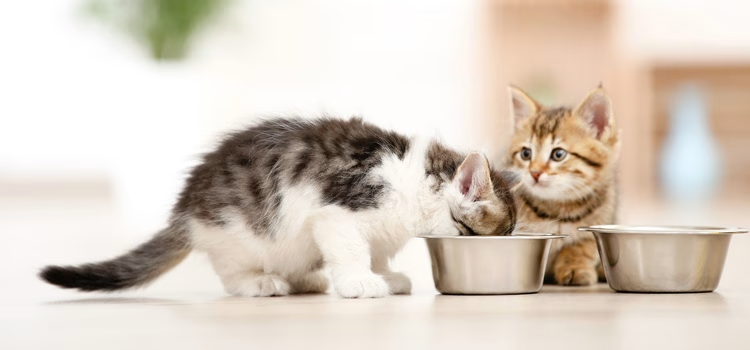

Bringing a new kitten into your life is exciting, heartwarming, and—let’s face it—a little overwhelming. One of the first and most crucial responsibilities of a cat parent is Feeding Kittens properly. What you feed your kitten and how often you do it can greatly impact their health, growth, and overall development.
In this comprehensive guide, we’ll cover everything every cat parent should know about Feeding Kittens—from the first weeks of life to the transition into adulthood. We’ll also include age-based feeding schedules, types of food to choose from, and expert tips for Feeding Kittens the right way. By understanding the essentials of Feeding Kittens, you’ll ensure your little furball grows into a healthy, happy cat. Whether you’re a first-time pet owner or experienced, mastering Feeding Kittens is key to raising a strong and thriving companion.
Why Feeding Kittens Properly Matters
Kittens grow rapidly, especially in their first few months. Their tiny bodies require more protein, fat, and calories than adult cats to support healthy development. Improper feeding—whether it’s giving the wrong kind of food or feeding on an irregular schedule—can lead to malnutrition, growth issues, or digestive problems.
That’s why feeding kittens the right way is more than just filling a bowl—it’s an investment in their lifelong health and well-being.
Kitten Feeding Stages by Age
1. Newborn to 4 Weeks Old: Nursing or Bottle-Feeding
Newborn kittens are completely dependent on their mother’s milk for the first few weeks. If the mother cat is present and healthy, she’ll nurse her kittens every 2–3 hours.
However, if you’re caring for an orphaned kitten or the mother is unable to nurse, you’ll need to step in with a kitten milk replacer (never cow’s milk, which can upset their stomach).
Feeding Schedule:
-
Every 2–3 hours (including overnight)
-
Use a kitten-specific formula like KMR (Kitten Milk Replacer)
-
Feed with a kitten bottle or syringe
-
Keep kittens warm—body temperature is vital for digestion
Pro Tip: Always warm the formula to body temperature and feed the kitten while they’re lying on their belly—never on their back like a human baby.
2. 4 to 8 Weeks Old: Weaning Begins
Around 4 weeks, kittens can start weaning off milk and transitioning to solid food. Begin by offering a slurry made of kitten formula mixed with high-quality wet kitten food. Gradually reduce the formula until the food becomes thicker.
Feeding Schedule:
-
4–5 times a day
-
Offer both wet kitten food and kitten formula
-
Slowly reduce bottle-feeding as they begin eating more solid food
Key Tip: Provide shallow dishes and expect messes—learning to eat is a sensory experience for kittens!
3. 8 to 12 Weeks Old: Eating Independently
At this stage, kittens should be fully weaned and eating solid food regularly. Wet food is ideal for easy digestion and hydration, though high-quality dry kibble formulated for kittens can be introduced.
Feeding Schedule:
-
3–4 meals a day
-
Offer fresh water at all times
-
Stick to food labeled for kittens (they need more calories and nutrients than adult food provides)
4. 3 to 6 Months Old: Growing Fast!
Kittens grow rapidly during this stage, and their caloric needs remain high. Continue feeding them kitten-specific food, and consider offering both wet and dry food options to support healthy teeth and hydration.
Feeding Schedule:
-
3 meals a day
-
Limit treats to less than 10% of their daily calorie intake
-
Regularly monitor weight and adjust portions as needed
5. 6 to 12 Months Old: Transitioning to Adult Diet
By around 10 to 12 months, most kittens are ready to transition to adult cat food, though larger breeds like Maine Coons may take up to 18 months to mature fully.
Feeding Schedule:
-
2–3 meals a day
-
Slowly mix adult cat food with kitten food over 7–10 days to avoid digestive upset
What Should You Feed Kittens?
1. Wet Food vs. Dry Food
Wet food is easier for kittens to chew and helps keep them hydrated. It’s also more palatable, which is great during the weaning phase. Dry food can help keep teeth clean and is convenient for free-feeding, but it’s not ideal as the only food for very young kittens.
Best Practice: Offer both. Wet food for moisture and taste; dry food for dental health and convenience.
2. Kitten-Specific Formulas
Always choose food labeled specifically for kittens. These formulas are higher in:
-
Protein
-
Fat
-
Essential vitamins and minerals like calcium and DHA
Avoid feeding adult cat food or homemade diets unless directed by a vet, as they may lack crucial nutrients for growing kittens.
3. Treats and Supplements
Use treats sparingly. Kittens don’t need supplements if they’re eating a well-balanced commercial kitten diet. Over-supplementing can actually harm their health.
Signs You’re Feeding Your Kitten Right
Bright eyes
Clean ears and coat
Steady weight gain
Playful and energetic behavior
Healthy stool (not too hard or runny)
If your kitten seems lethargic, bloated, or isn’t gaining weight, consult your vet immediately.
Common Feeding Mistakes to Avoid
Feeding Cow’s Milk: This can cause diarrhea and dehydration. Stick to kitten formula or water.
Overfeeding or Free Feeding Too Early: It may lead to obesity or poor eating habits. Stick to scheduled meals.
Feeding Human Food: Onions, garlic, chocolate, caffeine, and many other human foods are toxic to cats.
Sudden Food Changes: Always transition to new foods slowly to avoid digestive upset.
Fresh Water Is Just as Important
No matter the age, always make sure your kitten has access to clean, fresh water. Dehydration can be dangerous for young kittens, especially when they’re on a dry kibble diet.
Tip: Use a shallow bowl or consider a cat water fountain to encourage drinking.
When to Call the Vet
Contact your vet if:
-
Your kitten refuses to eat for more than 12 hours
-
Vomiting or diarrhea lasts more than a day
-
You notice bloating, weight loss, or poor coat condition
-
You’re unsure about what food or schedule is best
Feeding kittens isn’t just about keeping them full—it’s about building a foundation for lifelong health. By understanding your kitten’s nutritional needs at every life stage, sticking to a regular feeding schedule, and offering the right food, you’ll ensure your little furball grows into a happy, healthy adult cat.
So whether you’re bottle-feeding a tiny newborn or transitioning a 10-month-old to adult food, remember: patience, consistency, and love are the key ingredients in every kitten’s bowl.
Ready to raise a strong, thriving kitten? Stick to this guide, consult with your vet when needed, and enjoy every purr-filled moment along the way!