


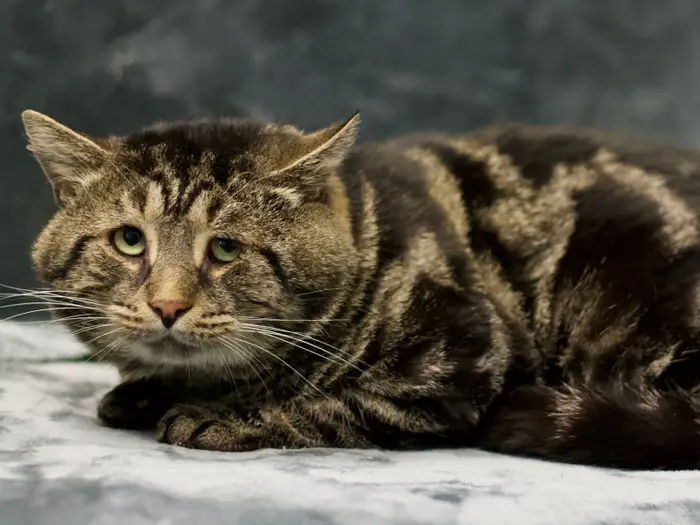


Learning your cat is FIV positive can be overwhelming and confusing. Feline Immunodeficiency Virus (FIV) is a condition that weakens a cat’s immune system, making them more susceptible to infections. However, many pet owners don’t realize that FIV positive cats can live long, happy, and relatively normal lives with proper care.
This article will provide a comprehensive look at FIV in cats, covering symptoms, causes, diagnosis, treatments, and lifestyle tips to help you support your furry friend.
What is FIV?
Feline Immunodeficiency Virus (FIV) is a retrovirus similar in some ways to HIV in humans but is specific only to cats. It attacks the cat’s immune system, gradually lowering their ability to fight infections and disease. Unlike HIV, FIV cannot infect humans or other animals.
FIV infection progresses slowly. Some cats remain symptom-free for years before showing signs, while others experience recurrent infections or chronic illness sooner. The virus is not a death sentence but a condition requiring awareness and care.


How Do Cats Get FIV?
FIV is primarily spread through deep bite wounds, which explains why intact male cats fighting over territory are at higher risk. Casual contact like grooming, sharing food, or litter boxes rarely transmits the virus because FIV is fragile outside the body.
Common Transmission Methods:
-
Bite wounds: This is the main transmission route. The virus is present in the saliva and can enter through puncture wounds.
-
Mother to kitten: Transmission during birth or nursing can occur but is less common.
-
Blood transfusions: Rare, but possible if donor blood isn’t screened.
-
Rare environmental transmission: Some studies suggest very rare spread through mating or minor scratches.
Because FIV often spreads through aggression, neutering your cats helps reduce fights and thus the spread of the virus.
Symptoms of FIV Positive Cats
Symptoms vary widely and may not appear until years after infection. When symptoms do show, they often result from secondary infections rather than the virus itself.
Early Signs
-
Mild fever
-
Swollen lymph nodes
-
Decreased appetite
-
Weight loss
-
Poor coat condition (dull, patchy fur)
Chronic and Advanced Symptoms
-
Recurrent infections (skin infections, abscesses, respiratory illness)
-
Persistent gingivitis or stomatitis (inflamed gums or mouth ulcers)
-
Chronic diarrhea
-
Eye inflammation or discharge
-
Neurological problems (seizures, behavior changes)
-
Lethargy and weakness
When to See a Vet
If your cat shows any signs of illness, especially frequent infections or oral problems, seek veterinary care immediately. Early management can improve quality of life and slow disease progression.
Diagnosing FIV
Diagnosing FIV in cats involves several types of tests and careful interpretation by a veterinarian. Because FIV can remain dormant for long periods, and because false positives can occur—especially in young kittens—accurate diagnosis is crucial before making any long-term care decisions.
1. ELISA (Enzyme-Linked Immunosorbent Assay)
This is the most commonly used initial screening test. It detects antibodies to the FIV virus in the cat’s blood. Most veterinary clinics perform ELISA tests as part of a standard “snap test” that also checks for other feline viruses like FeLV (feline leukemia).
-
Pros: Fast results, often within minutes.
-
Limitations: False positives can occur, especially in kittens under 6 months of age due to maternal antibodies.
2. Western Blot Test
If an ELISA test returns a positive result, a Western Blot test is often used as a confirmatory test. This test is more specific and accurate in verifying whether the antibodies detected are truly from an active FIV infection.
-
Pros: Helps avoid misdiagnosis from a false-positive ELISA result.
-
Limitations: Typically performed in specialized labs, so results may take several days.
3. PCR (Polymerase Chain Reaction) Testing
PCR testing detects the actual genetic material (DNA) of the FIV virus, rather than antibodies. This is particularly helpful in ambiguous cases, such as:
-
Kittens under six months of age (where maternal antibodies may confuse ELISA results)
-
Cats showing clinical signs but testing negative on antibody tests
-
Cats recently exposed to the virus, where antibody levels may still be undetectable
PCR testing is also useful for identifying latent carriers—cats that may have the virus but show no symptoms.
4. Testing Kittens and Retesting Protocol
One of the major challenges in diagnosing FIV in kittens is the presence of maternal antibodies. Kittens born to FIV positive mothers may carry antibodies in their bloodstream for up to 6 months, even if they are not infected. As a result:
-
A positive test result in a kitten under 6 months is not conclusive.
-
Retesting after the kitten reaches 6–8 months of age is recommended to confirm or rule out infection.
During this waiting period, kittens should be monitored closely for any signs of illness and should ideally be kept indoors to minimize risk to other cats.
5. Additional Diagnostic Procedures
In some advanced cases—especially when a cat exhibits chronic illness, unexplained symptoms, or suspected cancer (like lymphoma)—further diagnostic tools may be necessary. These can include:
-
Biopsies: To evaluate abnormal tissues or tumors
-
Complete Blood Count (CBC): To check for anemia, white blood cell changes, or infection
-
Urinalysis and biochemistry panels: To monitor kidney and liver function, especially in older FIV positive cats
-
Imaging (X-rays or Ultrasound): To detect abnormalities in internal organs or check for enlarged lymph nodes
These tests help rule out other conditions that may mimic FIV symptoms, ensuring the cat receives the most appropriate treatment plan.
Treatment Options for FIV Positive Cats
There is no cure for FIV, but treatment focuses on managing symptoms and preventing secondary infections.
Veterinary Care
-
Antibiotics to treat bacterial infections
-
Anti-inflammatory medications for oral disease and inflammation
-
Supportive therapies like fluids and nutritional support
-
Immune-boosting supplements prescribed by vets
Home Care Tips
-
Keep your cat indoors to minimize exposure to pathogens and prevent spreading FIV to other cats.
-
Provide a stress-free environment; stress weakens the immune system.
-
Maintain up-to-date vaccinations, but always consult your vet about what’s safe.
-
Practice regular grooming and dental care to reduce infection risk.
Living with an FIV Positive Cat
With proper care, many FIV positive cats live normal lifespans. Here’s how to support them:
Health Monitoring
-
Schedule regular vet check-ups every 6 months or more frequently if symptoms arise.
-
Watch for early signs of infections or oral issues.
-
Avoid introducing new cats unless they are tested and healthy.
Diet and Lifestyle
-
Feed a high-quality, balanced diet rich in proteins and antioxidants to support the immune system.
-
Avoid raw or homemade diets that may harbor bacteria.
-
Provide plenty of mental and physical stimulation through play and enrichment.
Prevent Secondary Infections
-
Keep litter boxes clean and avoid overcrowding in multi-cat homes.
-
Regularly check for wounds, skin issues, or dental problems.
-
Limit exposure to other cats to prevent infections.
Preventing FIV in Healthy Cats
Preventing FIV infection is crucial, especially for outdoor or community cats.
Prevention Tips
-
Neuter/spay your cats to reduce fighting behavior.
-
Keep cats indoors or supervise outdoor time.
-
Avoid contact with unknown or untested cats.
-
Test new cats before introducing them to your home.
-
The FIV vaccine exists but has limited effectiveness and is not widely recommended—consult your vet.
Myths vs. Facts About FIV Positive Cats
-
Myth: FIV is highly contagious like a cold.
Fact: FIV spreads mostly through deep bites, not casual contact. -
Myth: FIV positive cats must be euthanized.
Fact: Many live healthy lives for years with care. -
Myth: FIV positive cats cannot live with healthy cats.
Fact: If properly introduced and monitored, they can cohabitate safely. -
Myth: FIV positive cats show symptoms immediately.
Fact: Many remain asymptomatic for years.
Conclusion
Being a pet parent to an FIV positive cat comes with unique challenges, but it’s far from hopeless. With early detection, consistent veterinary care, a stress-free environment, and proper nutrition, your feline friend can enjoy a happy and fulfilling life.
Education, patience, and compassion are key. By understanding FIV better, you can provide the best care possible, helping your cat thrive despite this condition.
If you’re caring for an FIV positive cat or considering adoption, remember you’re giving a deserving cat a second chance at a loving home.