


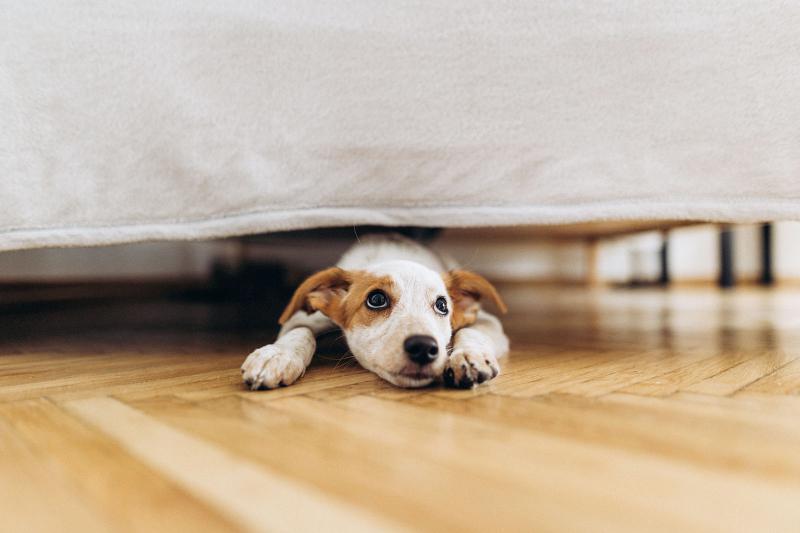


Why Is My Dog Scared? Have you noticed that your furry friend seems to be scared of just about everything? Whether it’s loud noises, unfamiliar people, other animals, or even household objects, a fearful dog can be both concerning and confusing. While some dogs are naturally more timid than others, excessive fear or anxiety is often a sign that your pet is struggling to feel safe in their environment. Why Is My Dog Scared is a question many pet owners ask themselves when these behaviors arise. Understanding the root of this behavior is the first step toward helping your dog feel more secure and confident.
There are many reasons why dogs might exhibit fearful behavior. Why Is My Dog Scared could stem from a lack of proper socialization during their early development, past trauma or abuse, genetic predispositions, or even medical issues that cause discomfort or pain. Dogs may also develop phobias from specific experiences, such as a loud thunderstorm or a trip to the vet.
As a pet owner, it’s important to be patient and compassionate. Punishing fearful behavior can make things worse. Instead, work on creating a calm, predictable environment and consider positive reinforcement training to build confidence. Why Is My Dog Scared might not have a single clear answer, but consulting with a veterinarian or a professional dog behaviorist may help identify the cause of your dog’s fear and develop an appropriate plan to support their emotional well-being. Keep asking yourself, Why Is My Dog Scared, and use that question to guide your approach in understanding and helping your pet.
Understanding Fear in Dogs
- Genetics and Early Socialization: Like humans, dogs inherit certain temperamental traits from their parents. Insufficient socialization during a puppy’s critical period (up to 16 weeks) can lead to lasting fears in adulthood.
- Previous Negative Experiences: Dogs can develop fear responses based on negative experiences they’ve had, much like humans do. For instance, if a dog encounters a loud noise—such as fireworks or thunderstorms—it may associate that sound with danger and become fearful whenever it hears similar noises in the future. Similarly, a traumatic experience with another animal, such as being attacked or aggressively approached, can cause the dog to become anxious or defensive around other animals, even if they pose no threat. These learned fears can persist over time and may require gentle training and reassurance to help the dog feel safe again.
- Lack of Exposure: Dogs that are not exposed to a variety of people, animals, environments, and stimuli during their early developmental stages may develop fear or anxiety when encountering unfamiliar situations later in life. This lack of early socialization can lead to behavioral issues, such as excessive barking, aggression, or withdrawal. Providing puppies with positive and varied experiences helps them build confidence and adapt more easily to new surroundings and challenges as they grow.
Common Signs of Fear in Dogs
- Trembling or shaking
- Excessive panting
- Hiding or cowering
- Whimpering or whining
- Avoidance behaviors (e.g., backing away, hiding behind their owner)
What You Can Do to Help
- Create Positive Associations: Use treats, toys, and praise to create positive associations with the things your dog fears. For example, if your dog is scared of strangers, have visitors toss treats to your dog without making direct eye contact.
- Gradual Exposure: Gradually expose your dog to the things that scare them in a controlled and positive manner. For instance, if your dog is afraid of car rides, start with short trips to enjoyable destinations and gradually increase the duration.
- Seek Professional Help: If your dog is persistently fearful, seek help from a professional trainer or behaviorist for a personalized behavior modification plan.
- Provide a Safe Space: Provide your dog with a safe retreat, like a crate or quiet room, where they can feel secure when anxious or scared.
Understanding why your dog is scared of everything requires patience, careful observation, and empathy. Dogs, like humans, have unique personalities and experiences that shape their reactions to the world around them. Why Is My Dog Scared is a question many pet owners ask when they notice signs of fear or anxiety. Fear can stem from various root causes such as past trauma, lack of socialization, genetics, or even medical issues.
It’s important to observe when and where your dog feels most anxious—whether it’s loud noises, unfamiliar people, new environments, or other animals. Why Is My Dog Scared becomes a central concern when identifying these triggers, as it helps guide your response. By pinpointing these triggers, you can begin to address their fears in a thoughtful and effective way.
Using positive reinforcement techniques is one of the best approaches to help your dog build confidence. Rewarding calm and brave behavior with treats, praise, or play encourages your dog to associate previously frightening situations with positive outcomes. Why Is My Dog Scared isn’t just a question—it’s a starting point for creating a plan tailored to your pet’s needs. Avoid punishment or harsh corrections, as these can worsen fear and anxiety. Instead, create a safe and supportive environment where your dog feels secure to explore and learn at their own pace.
Remember, every dog is unique, and there’s no one-size-fits-all solution. Why Is My Dog Scared may not have a simple answer, but with consistent effort, patience, and kindness, you can help your dog overcome their fears and develop a stronger, happier, and more trusting bond with you.