

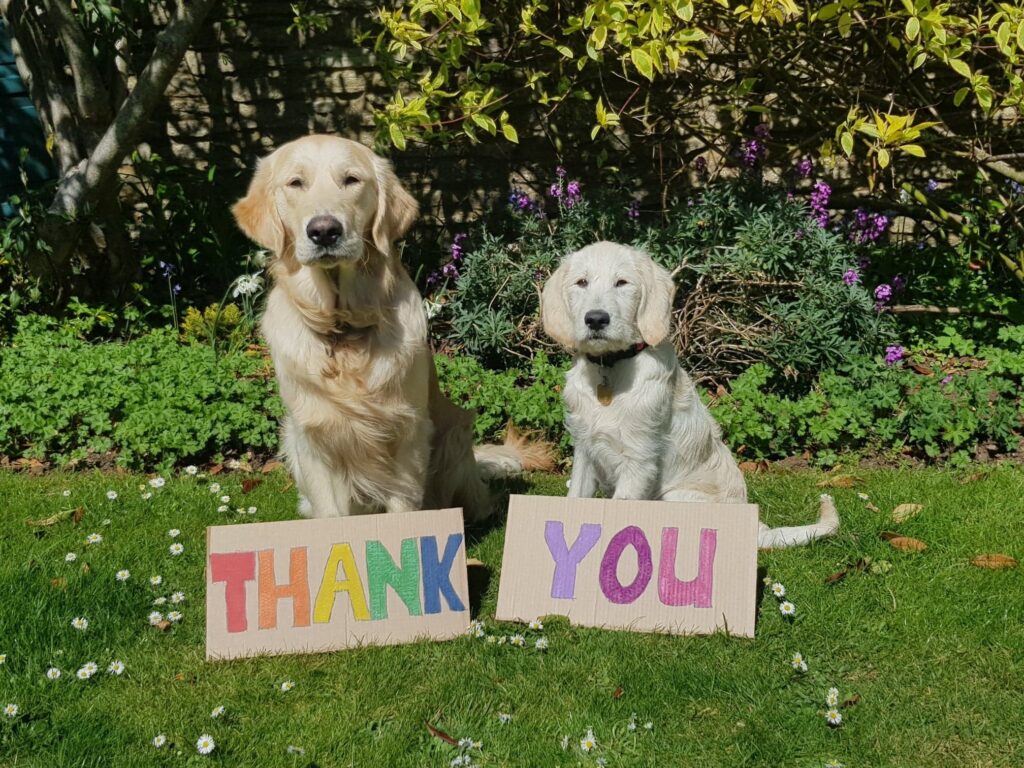


Dogs may not speak our language, but that doesn’t mean they don’t express appreciation. Whether it’s for a treat, a belly rub, or simply your loving presence, dogs have a heartwarming way of showing gratitude—if you know what to look for.
So, how dogs say thank you? From gentle tail wags to loving licks, dogs display their thankfulness in ways that go far beyond words. This emotional behavior guide will help you recognize those subtle and not-so-subtle ways your dog is showing their heartfelt thanks.
1. Tail Wagging – The Classic Canine Thank You
A wagging tail is often the first sign we notice when a dog is happy. But the type of tail wag matters. A relaxed, full-body wag with a wagging tail at mid-height or higher usually means joy and contentment—and yes, gratitude too!
When you hand your pup a favorite treat or scratch their favorite spot and they respond with a happy tail wag, that’s one of the most instinctive ways dogs say thank you.
Watch for: A soft, sweeping tail wag often paired with relaxed ears and soft eyes.
2. Licking – Kisses of Appreciation
Licking is a deeply instinctual behavior for dogs. Puppies lick their mothers, and adult dogs lick people and other dogs to show affection. When your dog licks your face, hands, or even feet after a kind gesture, it’s their way of saying “thank you” with love.
Note: Excessive licking may mean anxiety, but occasional licks after positive experiences signal gratitude and bonding.
3. Leaning Into You
If your dog leans against your leg or gently rests their body on you after you’ve done something nice—like feeding them, comforting them, or coming home from work—it’s a sign of trust and appreciation. They feel safe and comforted by your presence.
This type of physical closeness is your dog saying, “I’m happy you’re here. Thank you.”
4. Following You Everywhere
You’ve probably noticed that your dog becomes your shadow after you give them a treat or take them for a walk. Dogs follow the people they love and trust—especially those who care for them.
By sticking close to you, your dog is expressing affection, loyalty, and yes, gratitude.
Pro Tip: If your dog follows you with a happy demeanor—tail up, ears relaxed—they’re feeling thankful and connected.
5. Bringing You Their Favorite Toy
While some dogs bring toys to initiate play, others offer them as a gift—a way to return the favor for your love and care. When your pup drops a slobbery toy at your feet, they may be expressing appreciation in the best way they know how.
Behavioral Insight: This mimics wild behavior where pack members share resources—offering you a toy is your dog’s version of “thank you.”
6. Sitting Calmly Beside You
Sometimes, gratitude doesn’t look like energy—it looks like peace. After receiving affection, food, or safety, your dog may simply sit quietly next to you, enjoying your presence. This is a powerful sign of contentment and thankfulness.
Emotional Cue: A dog who rests their head on your lap or sits beside you after a bonding moment is silently saying, “Thanks for being my person.”
7. Soft Eye Contact and Blinking
Unlike the hard stare of dominance, soft eye contact from a dog—with occasional blinks or squints—is a form of canine affection. If your dog gazes at you lovingly after a moment of connection or care, they’re expressing their emotional bond and appreciation.
Bonus Tip: Try blinking slowly at your dog—they may return the gesture!
8. Zoomies! The Excitement of Gratitude
Sometimes your dog’s way of saying thank you is pure, uncontrollable joy. These spontaneous bursts of energy—often called “zoomies”—can happen after a walk, treat, or play session. If your dog races around in joyful circles, it’s their way of saying, “That was awesome. Thanks!”
Safety Tip: Let them zoom in a secure space so they can express gratitude safely.
9. Belly Up – The Ultimate Trust Gesture
Dogs only show their belly when they feel completely safe. If your dog rolls over after you’ve done something nice, like giving a treat or cuddle, it’s a huge sign of trust and appreciation.
While not all belly shows mean “rub me,” many do. Giving them a gentle rub in return can reinforce that loving connection.
10. Happy Vocalizations – Whines, Sighs, and Grunts
Dogs communicate vocally, and sometimes their unique sounds mean more than just barking. A contented sigh, a soft grunt, or even a light whine after receiving affection can indicate your dog is happy and grateful.
Example: A deep sigh while resting next to you usually means, “Thank you—I’m safe and satisfied.”
11. Mirror Behavior – Matching Your Mood
Have you ever noticed that your dog tends to match your tone or mood, especially after a moment of bonding? Dogs are emotional sponges, and mirroring your relaxed behavior is a subtle way of showing emotional appreciation and attachment.
12. Staying Close When You’re Down
Dogs are incredibly intuitive. When you’re feeling low, they often respond by lying beside you or licking your hand. This kind of emotional support is their way of returning the favor for all the love and care you give them.
It’s their way of saying: “You’ve been here for me. I’m here for you, too.”
Why Understanding Gratitude in Dogs Matters
Knowing how dogs say thank you helps deepen your bond. These behaviors aren’t just cute—they’re your dog’s language of love, trust, and emotional connection.
By recognizing these gestures, you not only learn more about your dog’s personality but also become a better, more empathetic pet parent.
Key Takeaways – How Dogs Say Thank You
-
Dogs express gratitude through behavior: tail wagging, licking, leaning, and following you.
-
Emotional responses like soft eye contact, calm presence, or zoomies often mean “thank you.”
-
Recognizing these signs strengthens the human-dog bond and improves communication.
Gratitude may not come in words, but dogs speak volumes with their actions. From joyful jumps to silent snuggles, every little gesture is a glimpse into their loving hearts.
So next time you ask, “How do dogs say thank you?”—remember, it’s in every wag, lick, and look that says, “I’m happy you’re mine.”