


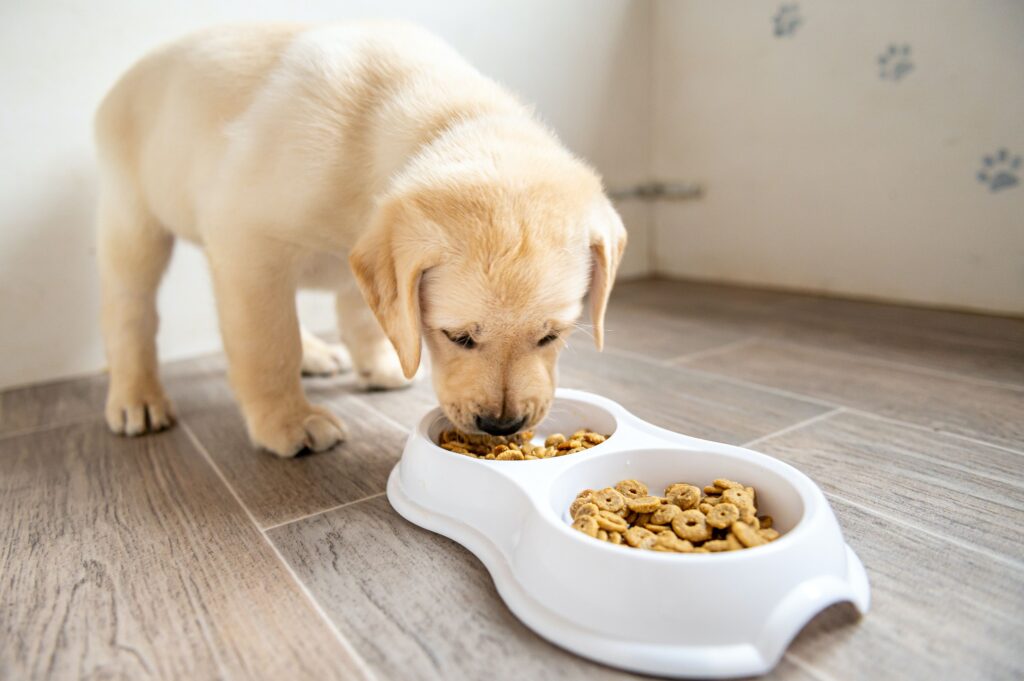


Ever looked into your dog’s pleading eyes and wondered, How Much to Feed a Dog? If so, you’re definitely not alone. Many pet parents struggle with this very question because every dog is unique. Factors like age, size, breed, and activity level all play a big role in determining How Much to Feed a Dog properly. Feeding too little can leave your pup lacking the energy they need to thrive, while overfeeding can quickly lead to unhealthy weight gain and related health problems. Finding the perfect balance is key to keeping your furry friend both happy and healthy, which is why understanding How Much to Feed a Dog matters so much.
But don’t worry—figuring it out doesn’t have to feel overwhelming. With a little guidance, you can become your dog’s personal portion pro. In this post, we’ll explore How Much to Feed a Dog in different stages of life, how to calculate the right serving sizes, what to look for on dog food labels, and how to adjust portions based on your pet’s lifestyle. You’ll also learn tips on monitoring your dog’s body condition and spotting signs that it might be time for a feeding adjustment. By the end, you’ll have the confidence to know exactly How Much to Feed a Dog, serving meals that not only satisfy those big puppy eyes but also support long-term health and vitality.
Not All Pups Are Created Equal
Just like us humans, our canine companions come in all shapes and sizes. A Great Dane, for instance, will have a vastly different appetite than a pint-sized Chihuahua. That’s why consulting your veterinarian is the golden rule when determining your dog’s ideal food intake. They can consider factors like your dog’s age, breed, health, and activity level to create a personalized feeding plan.
Age is Just a Number (But It Matters When It Comes to Food)
Puppies are growing bundles of energy, constantly on the move. They’ll need more calories than their snoozing senior counterparts to fuel their playful antics. Senior dogs, on the other hand, may require a reduced-calorie diet to maintain a healthy weight.
Beware the Breed Buffet
Activity Level: Couch Potato or Canine Cardio King?
An active dog who spends hours romping in the park will naturally burn more calories than a dog who prefers to nap the day away. Adjusting food intake based on your dog’s activity level will help them maintain a healthy weight.
Treats: Delicious Distractions or Detrimental Diet Busters?
We all love to spoil our furry friends with yummy treats. But remember, treats should only account for about 10% of your dog’s daily calories. Otherwise, those tasty tidbits can lead to weight gain.
How Much to Feed a Dog: Free-Feeding Friend or Foe?
While it may seem convenient to leave a bowl of food out all day, free-feeding can lead to overeating. It’s best to establish a regular feeding schedule and monitor your dog’s weight to ensure they’re getting the right amount of food.