

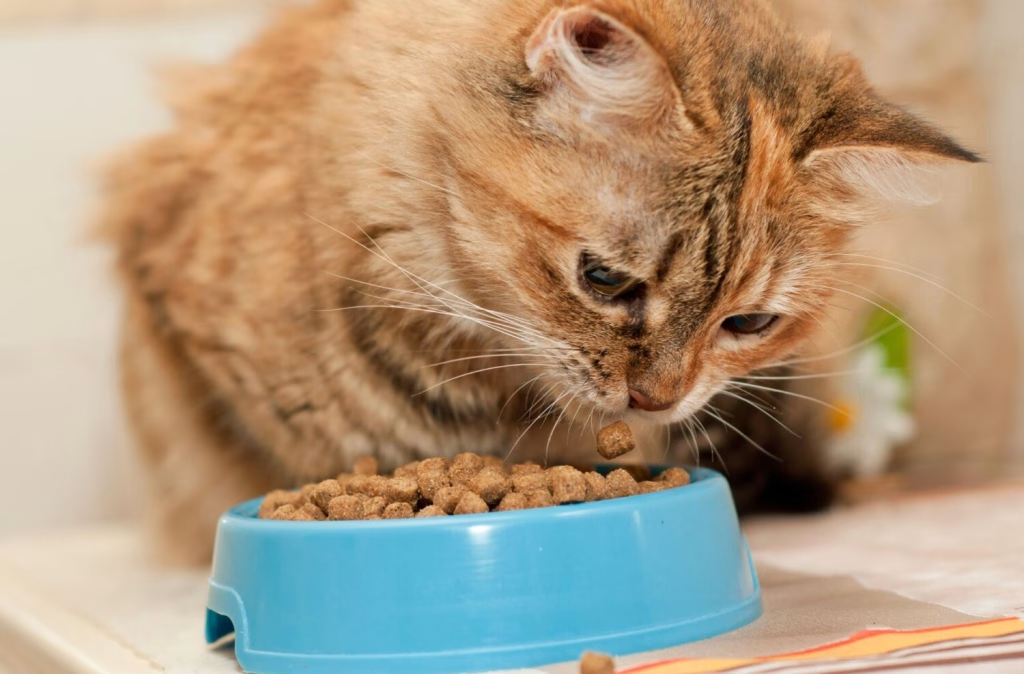


If your cat has been scratching non-stop, dealing with digestive issues, or suffering from skin irritations, food allergies or intolerances might be the root cause. That’s where hypoallergenic cat food comes into play—a specially formulated diet designed to minimize allergic reactions and keep your feline happy, healthy, and itch-free.
In this comprehensive guide, we’ll break down everything you need to know about hypoallergenic cat food, including common allergens, how to spot symptoms, how these diets work, and product recommendations to get your cat back on track.
What Is Hypoallergenic Cat Food?
Hypoallergenic cat food is specifically designed to avoid common allergens that trigger adverse reactions in cats. These formulas typically:
-
Use limited ingredients
-
Avoid common proteins (like chicken or beef)
-
Include hydrolyzed proteins (proteins broken down into smaller pieces so the immune system doesn’t react)
-
Contain novel proteins (like duck, venison, or rabbit) the cat hasn’t eaten before
They’re often prescribed or recommended for cats with known or suspected food allergies or sensitivities, which are surprisingly more common than many pet parents realize.
Signs Your Cat Might Need a Hypoallergenic Diet
Food allergies in cats can be tricky to identify because the symptoms often overlap with other conditions like fleas or environmental allergies. However, here are some red flags:
Skin and Coat Issues:
-
Excessive scratching or grooming
-
Hair loss
-
Scabs or open sores
-
Red, inflamed skin
-
Chronic ear infections
Digestive Distress:
If your vet has ruled out other causes and your cat still shows these symptoms, it’s time to consider hypoallergenic cat food as part of a dietary elimination trial.
How Hypoallergenic Cat Food Works
There are two primary approaches to hypoallergenic cat food:
1. Novel Protein Diets
These diets use uncommon protein sources your cat hasn’t eaten before—like duck, kangaroo, venison, or rabbit. The idea is to avoid any protein your cat’s immune system might recognize and react to.
2. Hydrolyzed Protein Diets
In these diets, proteins are broken down into such small components that your cat’s immune system no longer recognizes them as allergens. These diets are often prescribed by veterinarians and are highly effective for cats with confirmed food allergies.
Some diets also combine both approaches for maximum safety.
Common Cat Food Allergens to Avoid
Contrary to popular belief, the most common food allergens for cats aren’t grains—but rather animal proteins. The most reported offenders include:
-
Beef
-
Chicken
-
Fish
-
Dairy
-
Eggs
-
Corn
-
Wheat
-
Soy
Eliminating these ingredients from your cat’s diet is essential during a food trial. Hypoallergenic formulas will typically avoid these or substitute them with alternatives.
Best Hypoallergenic Cat Food Options (2025 Picks)
Below are some of the top-rated hypoallergenic cat food options, including both prescription and over-the-counter choices. Always consult with your vet before switching your cat’s diet.
1. Hill’s Prescription Diet z/d Skin/Food Sensitivities
-
Type: Hydrolyzed protein (chicken liver)
-
Best for: Cats with severe food allergies
-
Pros: Vet-recommended, proven clinical results
-
Cons: Prescription required, costly
2. Royal Canin Veterinary Diet Hydrolyzed Protein HP
-
Type: Hydrolyzed soy protein
-
Best for: Cats with both skin and gastrointestinal issues
-
Pros: Helps support digestive health, balanced nutrition
-
Cons: Prescription-only
3. Blue Buffalo Basics Limited Ingredient Grain-Free Duck & Potato
-
Type: Novel protein (duck)
-
Best for: Cats with mild to moderate food sensitivities
-
Pros: No chicken or beef, affordable, no artificial ingredients
-
Cons: Not suitable for severe allergies
4. Natural Balance L.I.D. Limited Ingredient Diets Green Pea & Venison
-
Type: Novel protein (venison)
-
Best for: Cats with common meat allergies
-
Pros: Simple ingredients, grain-free, widely available
-
Cons: Can be hard to find during high demand
5. Purina Pro Plan Veterinary Diets HA Hydrolyzed Formula
-
Type: Hydrolyzed soy protein
-
Best for: Cats on vet-recommended elimination diets
-
Pros: Trusted brand, high digestibility
-
Cons: Requires prescription, not grain-free
Transitioning to a Hypoallergenic Diet
Changing your cat’s food isn’t as simple as swapping meals overnight. Here’s how to do it right:
-
Start Slow: Gradually mix in the new food over 7–10 days to avoid upsetting your cat’s stomach.
-
Stick to the Plan: During the food trial (usually 8–12 weeks), feed only the hypoallergenic food—no treats, table scraps, or flavored meds.
-
Monitor Symptoms: Track changes in your cat’s skin, digestion, and energy levels.
-
Work With Your Vet: They may recommend reintroducing old proteins after the trial to confirm the allergen.
Patience is key—many cats improve within a few weeks, but full results can take up to three months.
Can Grain-Free or Raw Diets Help?
Grain-free diets aren’t necessarily hypoallergenic. In fact, most food allergies in cats come from animal proteins, not grains. However, grain-free formulas that also limit proteins can help if used carefully.
Raw diets, on the other hand, are controversial. Some claim raw food improves symptoms because of fewer additives and minimal processing. However, raw diets carry risks of bacterial contamination and nutritional imbalances. Always consult with your vet before starting a raw regimen, especially if your cat has a compromised immune system.
Tips for Feeding a Cat With Food Sensitivities
-
Read Labels Closely: Look for clear protein and ingredient sources—avoid vague terms like “meat byproduct.”
-
Avoid Rotating Proteins Too Often: Introducing too many proteins can confuse allergy trials and increase sensitization risk.
-
Try Wet Food: Canned food has higher moisture content and fewer additives, which can help cats with skin or digestive problems.
-
Use Hypoallergenic Treats: Some brands offer limited-ingredient or single-protein treats that won’t derail the elimination trial.
-
Watch for Environmental Triggers: Sometimes, what seems like a food allergy may be due to pollen, dust, or flea bites.
When to See a Veterinarian
You should consult your vet if your cat shows:
-
Persistent vomiting or diarrhea
-
Hair loss or open skin wounds
-
Weight loss or lethargy
-
No improvement after a diet change
Allergies, especially severe ones, should be managed under professional guidance. In some cases, your vet may refer you to a veterinary dermatologist or nutritionist.
Happy Cat, Healthy Diet
Navigating food allergies can be frustrating, but the right hypoallergenic cat food can make a world of difference. Whether you go with a novel protein, hydrolyzed formula, or a trusted limited-ingredient brand, understanding your cat’s needs is the first step toward a healthier, itch-free life.
With proper vet support and a tailored diet, you can help your cat thrive—one bowl at a time.