



Hypothyroidism ranks among the most common endocrine disorders in dogs—especially affecting middle-aged and older pets. If your once-energetic pup suddenly slows down, gains weight inexplicably, or develops a dull coat, it may not just be “normal aging.” It could be hypothyroidism in dogs. Left untreated, this condition can compromise quality of life and trigger serious complications—but thankfully, with early diagnosis and proper management, your dog can lead a happy, healthy life.
This guide delves into the causes, unmistakable signs, diagnostic steps, and effective treatments for hypothyroidism in dogs—helping you spot red flags and take quick action.
What Is Hypothyroidism?
Hypothyroidism occurs when the thyroid gland—two small glands in the neck—fails to produce enough thyroid hormones, specifically T4 (thyroxine) and T3 (triiodothyronine). These hormones regulate metabolism, growth, energy levels, skin health, reproduction, and more.
In dogs, hormonal deficiency causes a slowdown in nearly all body systems. On the bright side? It’s easily treated once diagnosed, often transforming a dog from sluggish and unwell to playful and vibrant.
What Causes Hypothyroidism in Dogs?
1. Lymphocytic (Autoimmune) Thyroiditis
This is the most frequent cause. The dog’s immune system mistakenly attacks thyroid tissue, causing gradual damage and leading to reduced hormone production—similar to autoimmune thyroid issues in humans.
2. Idiopathic Thyroid Atrophy
The gland simply degenerates over time with no defined cause. Once the thyroid shrinks or is non-functional, hormone levels drop—and so does your dog’s energy.
3. Less Common Causes
-
Congenital hypothyroidism: Rare; present from birth
-
Thyroid tumors: Can disrupt hormone production
-
Damage after surgery or trauma to the gland
Lifelong, lifelong management is typically required once diagnosed.
Who Is Most at Risk?
Understanding prevalent risk factors can help you decide when to test for hypothyroidism in dogs:
-
Breed predisposition: Beagles, Golden Retrievers, Dobermans, Irish Setters, Cocker Spaniels, Schnauzers
-
Age: Most often diagnosed between 4–10 years
-
Sex: Affects males and females equally, but there may be a slightly higher rate in spayed females
-
Underlying autoimmune disease: Some dogs are genetically predisposed
Be extra vigilant in dogs showing early weight gain, coat changes, or fatigue.
Toby’s Journey: A Real-Life Case
Toby, a 6-year-old Golden Retriever, began gaining weight despite no changes in diet. His owner noted lethargy and uneven patches of fur on his flanks. Vet exams ruled out diabetes and Cushing’s, and further testing revealed low total T4 and high thyroid-stimulating hormone (TSH). Toby was diagnosed with hypothyroidism, started on levothyroxine, and within weeks his weight stabilized, energy improved, and coat began returning. His ongoing check-ups ensure his dosage stays on target.


Recognizing Symptoms
Symptoms can be subtle at first and evolve slowly, often mistaken for aging. Watch for these signs:
1. Metabolic & Energy Changes
-
Unexplained weight gain, even with unchanged food
-
Lethargy or reluctance to play or exercise
-
Sensitivity to cold; preferring blankets or warm spots
2. Skin & Coat Problems
-
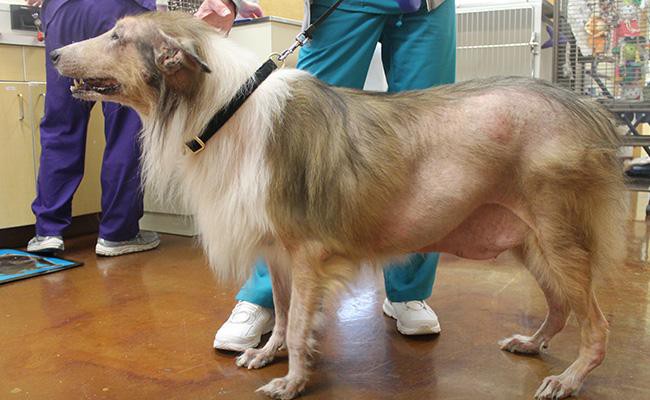
Dull, thinning fur that may shed in odd patches
-
Hair loss along the tail (“rat tail”) or flanks
-
Darkened skin and recurring skin or ear infections
3. Neurologic & Muscular Lags
-
Weakness and slow movement
-
Poor coordination or muscle stiffness
-
Rare tremors or seizures
4. Cardiovascular & Metabolic Risks
-
Low heart rate, potential high cholesterol
-
Obesity-related joint strain or heart concerns
5. Reproductive & Other Issues
-
Infertility or delayed cycles in breeding dogs
-
Ultimately, dogs may develop anemia or be slower to recover from illness
Since the signs are gradual and vary widely, veterinary testing is essential for confirmation.
How to Diagnose
1. Physical Exam & History
Your vet will check for classic signs—weight change, alopecia, and lethargy—and ask about health history and symptom onset.
2. Bloodwork Essentials
-
Total T4: Initial test; low levels suggest hypothyroidism
-
Free T4 using equilibrium dialysis: Offers a clearer picture
-
TSH: High levels with low T4 confirm diagnosis
Caution: Illness or medications can skew thyroid levels (“euthyroid sick syndrome”), so tests may need repeating.
3. Advanced Confirmation
-
Autoantibody levels: To detect immune attacks on the thyroid
-
TSH stimulation test: Rarely used in routine screening
4. Rule Out Look-Alikes
Conditions such as Cushing’s disease, diabetes, obesity, heart disease, kidney or liver issues can mimic hypothyroid symptoms—these must be ruled out first.
Treatment Options
1. Consistent Thyroid Hormone Replacement
-
Most dogs take levothyroxine (T4) orally every 12 hours
-
Dosage is based on weight and symptoms
-
Some vets may add liothyronine (T3) in complex cases
2. Frequent Monitoring
-
Blood tests 4–6 weeks after starting treatment
-
Target a total T4 level in the upper half of the normal range
-
Re-check annually or if symptoms return
3. Lifestyle and Supportive Care
-
Maintain a healthy weight through portion control and physical activity
-
Treat skin or ear infections as they arise
-
Provide orthopedic support (joint supplements, soft beds) if needed
-
Keep vaccinations and parasite prevention up to date
4. Watch for Side Effects
Though rare, over-treatment may cause signs of hyperthyroidism: restlessness, weight loss, or increased thirst. If suspected, dosage should be adjusted.
Preventing and Managing the Condition
-
Early screening for middle-aged dogs of susceptible breeds
-
Maintain a healthy weight and regular exercise
-
Control chronic skin or ear conditions that can be signs of underlying thyroid issues
-
Educate those caring for your dog (groomers, sitters) about the signs and the importance of medication consistency
Long-Term Outlook
Because hypothyroidism in dogs is treatable and manageable, most dogs regain health and vigor once therapy starts. The sooner the diagnosis, the better the outcome. With diligent dosing, annual checks, and owning a keen eye for behavior, many dogs live well into their senior years.
Common FAQs
Can a dog thrive without thyroid meds?
No. Thyroid hormone replacement is essential for managing hypothyroidism. Without it, your dog’s metabolism remains suppressed, leading to worsening fatigue, weight gain, skin issues, and potential complications with organs and immune function. While some symptoms might appear mild at first, they will progress and significantly affect your dog’s quality of life if left untreated.
How long until improvements show?
Most owners notice a boost in energy and alertness within 2 to 4 weeks of starting medication. However, visible changes in coat condition, skin health, and weight normalization typically take 2 to 3 months. Full recovery depends on the severity of symptoms at diagnosis and how closely the treatment plan is followed.
What if my dog’s other conditions interfere?
It’s not uncommon for dogs with hypothyroidism to have additional health conditions like allergies, joint issues, or kidney disease. In these cases, your veterinarian will coordinate treatment plans carefully—adjusting doses, scheduling lab tests, and managing medication interactions to keep your dog stable and safe. Consistent monitoring is key.
Does diet prevent hypothyroidism?
No, diet alone cannot prevent or cure hypothyroidism in dogs. While high-quality nutrition supports your dog’s overall immune and metabolic health, it cannot replace missing thyroid hormones. That said, maintaining a healthy weight and balanced diet can help manage secondary symptoms and improve response to medication.
The Owner’s Role
Your involvement is vital:
-
Medication adherence: Always administer levothyroxine correctly, ideally 12 hours apart and on an empty stomach.
-
Observation: Keep track of your dog’s behavior, appetite, weight, and coat.
-
Recheck vet visits: Stay on schedule for testing—all major insurance providers require this.
-
Holistic support: Healthy diet, clean living environment, and attention to secondary issues like joint pain or infections
Hypothyroidism in dogs may sound alarming, but with early detection and consistent treatment, it’s one of the most manageable endocrine disorders. Most dogs respond well to thyroid therapy and return to an energetic, healthy lifestyle.
By staying alert to the signs, partnering closely with your veterinarian, and maintaining a structured treatment and monitoring plan, you can ensure that your dog not only survives but thrives—regaining vitality, pride, and play in their daily life.