

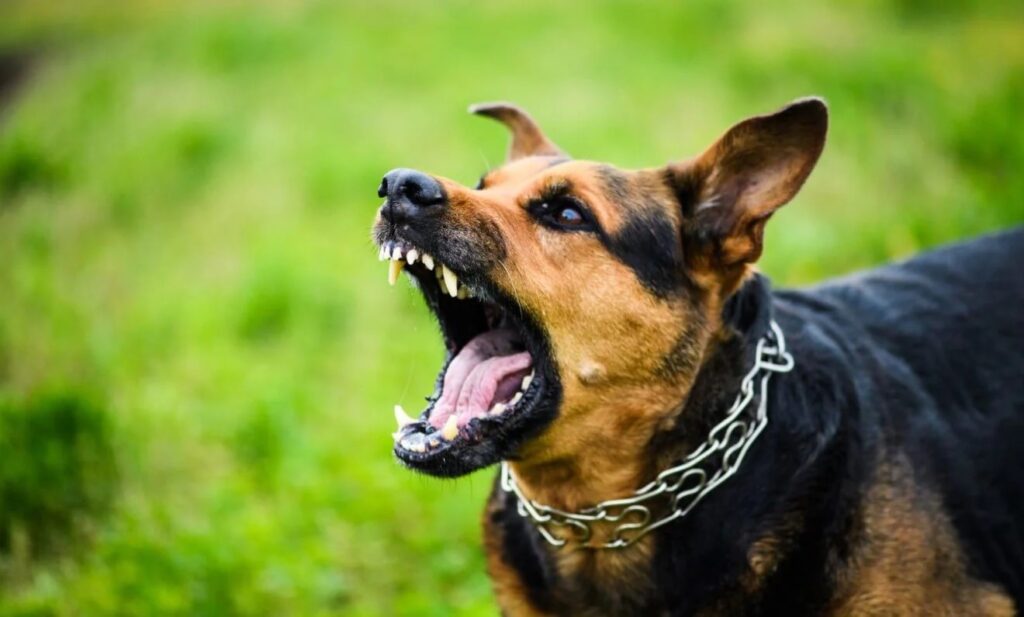


When you bring a dog into your home, you expect a loyal and loving companion, but sometimes, you might notice behavior that is concerning—growling, biting, or lunging. While many dogs are friendly and well-behaved, some may show signs of aggression. Understanding and managing dog aggression is crucial for both your safety and the well-being of your pet. In this guide, we’ll help you identify the signs of aggression in dogs, understand its causes, and provide strategies for managing and modifying aggressive behavior.
What Is Dog Aggression?
Dog aggression refers to any threatening or harmful behavior exhibited by a dog towards other animals, people, or objects. It can manifest in various forms, ranging from growling and barking to biting and attacking. Aggression in dogs is a serious concern that can lead to dangerous situations if left unmanaged. However, aggression doesn’t always mean that a dog is “bad.” It’s often a symptom of fear, anxiety, territoriality, or lack of proper socialization.
Aggression can vary in intensity, and some dogs may only show mild signs, while others may escalate to more serious confrontations. Identifying the signs early can help prevent aggression from escalating.


Signs of Aggression in Dogs
Understanding the early signs of dog aggression is key to addressing it before it becomes dangerous. Aggressive behavior in dogs can appear suddenly or gradually over time. Here are some common signs to look for:
1. Growling or Snarling
Growling is a warning sign that your dog may feel threatened or uncomfortable. It is a vocal communication that indicates a dog is on edge, and it may precede more aggressive behaviors, such as biting. Snarling, which involves showing teeth along with growling, is a more intense warning.
2. Stiff Body Posture
Aggressive dogs will often appear rigid and tense. A dog that suddenly goes from relaxed to stiff and focused may be gearing up for an aggressive reaction. You may also notice raised hackles or a tail held stiff and high.
3. Biting
Biting is the most extreme form of aggression, though not all bites are the same. Some dogs may nip as a way of expressing frustration or fear, while others may bite with the intent to cause harm. It’s important to take any bite seriously, even if it seems like a playful nip.
4. Barking or Lunging
Excessive barking, especially if coupled with lunging or snapping, can be signs of aggression. Lunging towards a person, animal, or object indicates that the dog is not comfortable with whatever it is focusing on and may be preparing to attack.
5. Protective Behavior
Dogs are naturally territorial, and some breeds have stronger protective instincts than others. A dog that is overly protective of its space, toys, food, or family members may display aggressive behavior if they feel their “territory” is being threatened.
Understanding the Causes of Dog Aggression
Before addressing dog aggression, it’s important to understand what might be causing it. There are several common reasons for aggressive behavior in dogs:
1. Fear or Anxiety
Many dogs become aggressive out of fear. A scared dog may feel cornered or threatened and may resort to aggressive behavior as a defense mechanism. Anxiety over specific situations—such as being around new people, animals, or even loud noises—can trigger aggression.
2. Poor Socialization
Dogs that haven’t been properly socialized are more likely to act aggressively. Without exposure to a variety of people, animals, and environments, dogs may develop fear-based aggression, especially when encountering unfamiliar situations later in life.
3. Pain or Discomfort
Dogs in pain or discomfort, whether from injury, illness, or an underlying medical condition, may exhibit aggression as a response. A dog that is hurting may lash out if touched in a sensitive area or if they feel vulnerable.
4. Resource Guarding
Some dogs are more likely to show aggression when it comes to guarding their resources, such as food, toys, or sleeping areas. This behavior is often linked to instinctual protection of valuable items and can lead to aggression if not addressed.
5. Lack of Training or Boundaries
Dogs that haven’t been taught basic obedience or rules may show aggression due to confusion or frustration. Establishing clear boundaries helps prevent aggressive behavior in dogs, especially during interactions with people and other pets.
How to Manage and Address Dog Aggression
If you’ve identified signs of dog aggression in your pet, it’s crucial to address it immediately. Here are some tips and strategies for managing aggressive behavior:
1. Seek Professional Help
If your dog’s aggression is serious or involves biting, it’s essential to seek professional help. A certified dog trainer or animal behaviorist can assess your dog’s behavior and help you create a tailored plan for addressing the aggression. Working with a professional ensures that the problem is handled safely and effectively.
2. Avoid Punishment
Punishing an aggressive dog can make the problem worse. Physical punishment or yelling at a dog may escalate their fear and aggression, increasing the likelihood of aggressive behavior in the future. Positive reinforcement techniques, such as rewarding calm behavior, are much more effective.
3. Provide Adequate Socialization
Proper socialization is crucial to preventing and managing aggression. Gradually expose your dog to new experiences, people, and animals in a controlled manner. Use treats and praise to reward positive behavior, and avoid overwhelming your dog with too much stimulation at once.
4. Identify and Avoid Triggers
Pay attention to your dog’s triggers and avoid situations that could provoke aggressive behavior. For example, if your dog shows aggression towards other dogs at the park, consider avoiding the park until you can work on socialization. Recognizing the signs early allows you to prevent the escalation of aggressive behavior.
5. Training and Obedience
Basic obedience training can help reduce aggression by teaching your dog self-control. Commands like “sit,” “stay,” and “leave it” can redirect your dog’s attention and prevent aggressive reactions. Consistent training reinforces positive behaviors and builds a stronger bond between you and your dog.
6. Use of Crates and Safe Spaces
Providing a safe space for your dog, such as a crate or designated area, can give them a sense of security. If your dog is feeling anxious or overstimulated, offering a quiet retreat can prevent aggression from arising.
7. Manage Pain and Discomfort
If your dog’s aggression is linked to pain, seek veterinary care to address any underlying health issues. Conditions such as arthritis, dental disease, or injury can cause discomfort that leads to aggression. Regular vet check-ups are essential for maintaining your dog’s health and managing potential pain.
A Calm, Controlled Approach to Dog Aggression
Dealing with dog aggression requires patience, understanding, and a thoughtful approach. Aggressive behavior is often a symptom of underlying issues, whether it’s fear, pain, or a lack of training. By identifying the cause of the aggression, implementing training techniques, and seeking professional help if necessary, you can manage your dog’s behavior and ensure that both you and your pet live in a safe, happy environment.
Remember, no dog is beyond help—most dogs can learn to manage their aggression with the right guidance. With consistent effort, your dog can become a well-behaved and loving companion.