


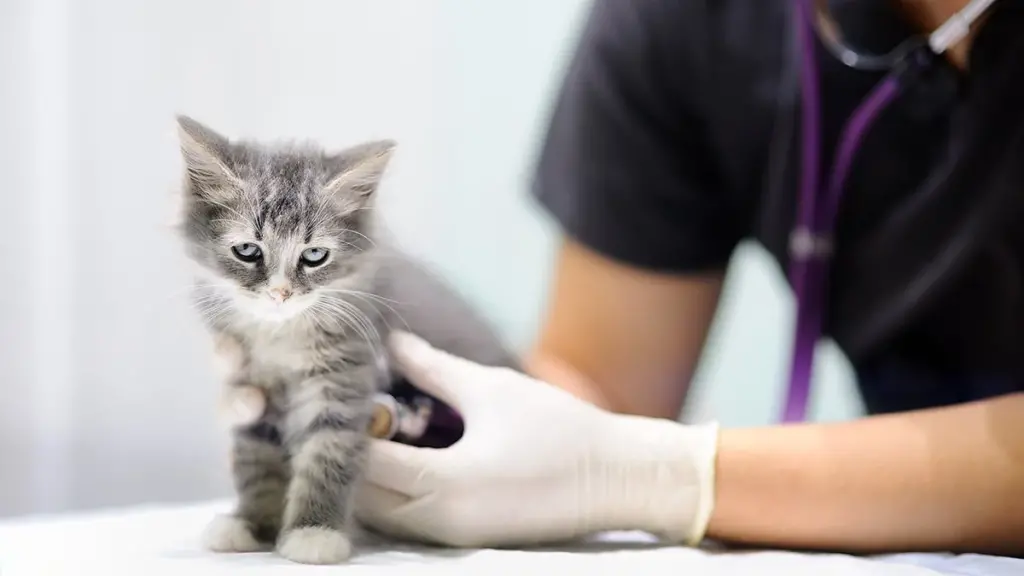


Bringing home a kitten is a whirlwind of joy, tiny paws, and endless purrs. Their playful antics, soft cuddles, and curious nature can quickly fill your home with warmth. But beneath all the cuteness lies an important reality that every cat parent should be aware of: kittens are particularly vulnerable to Kitten Parasites. These unwelcome intruders may be tiny, but they can have a big impact on your kitten’s overall health and development.
Kitten Parasites come in many forms—worms, fleas, ticks, and microscopic organisms—that find clever ways to sneak into your pet’s life. Some are transmitted from a mother cat to her kittens, while others are picked up from the environment or even through food and water. Left untreated, Kitten Parasites can cause problems ranging from mild irritation to serious illness, stunting growth and weakening a young cat’s immune system.
While the subject may not be the most pleasant, understanding the risks and recognizing the signs early on is key to keeping your kitten safe. With proper veterinary care, preventive treatments, and a watchful eye, you can ensure that your fluffy companion grows strong, healthy, and parasite-free. Let’s dive into the not-so-secret life of Kitten Parasites and learn how to keep them at bay.
Unmasking the Common Culprits: A Rogues’ Gallery of Kitten Parasites
Imagine microscopic villains lurking in the shadows, waiting for an opportunity to invade your kitten’s kingdom. These unwelcome guests come in various forms, each with its own mischievous agenda. Here’s a brief introduction to the most common:
- Roundworms: These spaghetti-like worms are champion hitchhikers, often entering kittens through their mother’s milk. They can cause weight loss, vomiting, and a potbelly appearance.
- Tapeworms: Segmented and flat like ribbons, tapeworms usually sneak in when a kitten ingests an infected flea. Watch out for weight loss, diarrhea, and visible segments in your kitten’s stool.
- Hookworms: These bloodsucking parasites attach to the intestinal lining, causing anemia, weakness, and even bloody stool. Kittens can get infected through contaminated soil or their mother’s milk.
Pro Tip: Don’t let the villainous names fool you. These parasites are far from glamorous and pose a significant health risk to your kitten if left untreated.
The Sneaky Tactics of Parasite Infiltration: How Do They Get In?
Parasites are masters of disguise and infiltration. Here’s how they might try to weasel their way into your kitten’s system:
- Mother’s Milk: Roundworms, for example, can be transmitted from mother to kitten through milk, making early detection and deworming crucial.
- Contaminated Environment: Kittens can pick up hookworm larvae from soil or tapeworm segments from infected fleas they might groom or accidentally ingest.
- Hunting Adventures: If your kitten is a budding hunter, they might become infected by ingesting infected prey.
Remember: Vigilance is key. By understanding the sneaky ways parasites operate, you can take preventive measures to safeguard your kitten’s health.
Signs Your Kitten Might Be Harboring Unwanted Guests: A Detective’s Guide
While microscopic, parasite infestations often leave a trail of clues. Here are some signs to watch out for:
- Digestive Issues: Vomiting, diarrhea, and changes in stool consistency (like bloody stool) can indicate a parasite problem.
- Weight Loss: If your kitten isn’t gaining weight as expected, it might be due to nutrient-stealing parasites.
- Potbelly Appearance: A bloated abdomen, especially in young kittens, can be a sign of roundworm infection.
- Lethargy: Excessive tiredness or lack of energy could be a symptom of parasite-induced anemia.
Important Note: If you notice any of these signs, don’t delay! Consult your veterinarian for a diagnosis and proper treatment plan.
Eviction is Key: Protecting Your Kitten from Parasites
The good news is that the fight against kitten parasites is winnable. Here are some essential steps to keep your furry friend parasite-free:
- Regular Deworming: Schedule regular deworming appointments with your veterinarian, following their recommended protocol.
- Preventative Flea and Tick Control: Fleas are carriers of tapeworm larvae, so keeping your kitten flea- and tick-free is crucial.
- Maintaining a Clean Environment: Regularly clean your kitten’s litter box and surrounding area to minimize the risk of parasite contamination.
- Restrict Outdoor Access: While some supervised outdoor adventures are okay, limiting unsupervised roaming can help reduce the risk of parasite exposure.
By following these preventive measures, you can create a safe and parasite-free environment for your precious kitten.
Living Parasite-Free: A Happy and Healthy Feline Future
Protecting your kitten from parasites is one of the most important responsibilities of being a pet parent. While their playful nature, tiny meows, and curious explorations bring endless joy, kittens are especially vulnerable to unwelcome guests like fleas, ticks, worms, and mites. Kitten Parasites may be small, but they are experts at sneaking onto your pet, often going unnoticed until they cause discomfort or health issues. Left untreated, Kitten Parasites can lead to skin irritations, digestive problems, anemia, or even more serious illnesses that could affect your kitten’s growth and overall well-being.
Understanding how Kitten Parasites operate is key to prevention. Fleas, for instance, can jump from the environment or other animals and quickly multiply, while intestinal worms are often picked up from contaminated soil, food, or even through their mother’s milk. Recognizing the early warning signs—such as constant scratching, hair loss, bloated bellies, or changes in appetite—allows you to take action before an infestation spirals out of control.
Fortunately, with regular veterinary check-ups, preventive treatments, and a clean living environment, you can keep Kitten Parasites at bay. By staying alert and proactive, you’ll ensure your kitten grows into a strong, healthy, and happy cat, thriving in a parasite-free, purr-fect world.
Remember: A happy and healthy kitten is a kitten free from uninvited guests. With vigilance, preventive measures, and prompt veterinary care, you can create a safe and parasite-free haven for your furry companion.