

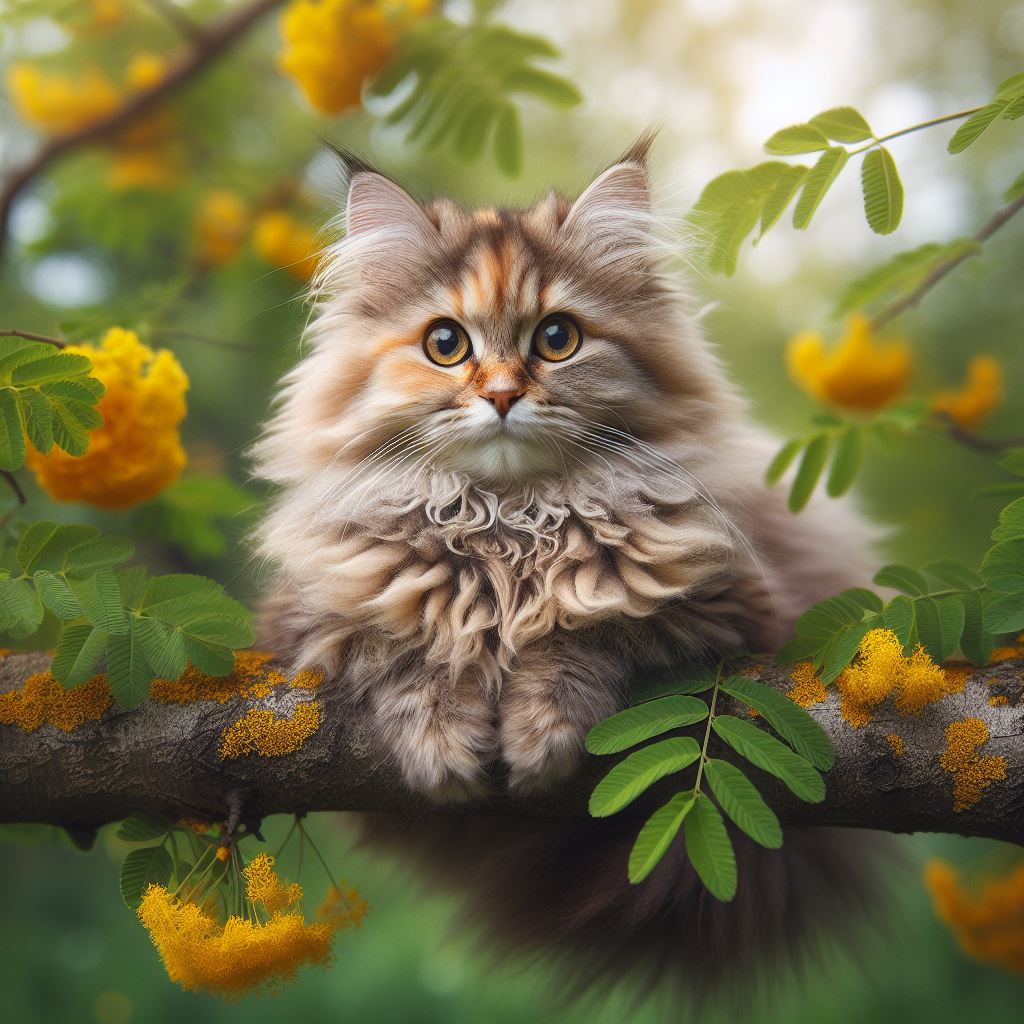

LaPerm Cats: The Playful Curls That Will Steal Your Heart

Introduction: Meet the Curly-Haired Feline Wonders
Have you ever encountered a cat with curls that would make any hair stylist jealous? LaPerm cats, with their distinctive curly coats and playful personalities, are one of the most charming yet lesser-known breeds in the feline world. These natural beauties stand out not just for their remarkable curly fur but also for their affectionate nature and intelligent demeanor. Originally discovered as a spontaneous genetic mutation, LaPerm cats have won the hearts of cat enthusiasts worldwide, establishing themselves as both wonderful companions and conversation starters.
Whether you’re a dedicated cat lover searching for a unique addition to your family or simply curious about these rare curly-haired felines, this comprehensive guide to LaPerm cats will provide everything you need to know about this extraordinary breed. From their fascinating origin story to their care requirements and distinctive personality traits, discover why these playful curls might just steal your heart too.
The Fascinating History of LaPerm Cats
An Accidental Beginning
The LaPerm breed has one of the most interesting origin stories in the world of cat breeding. Unlike many pedigreed cats with centuries of selective breeding, the LaPerm’s history began relatively recently on a small farm in The Dalles, Oregon, in 1982. Linda and Richard Koehl noticed something unusual when their ordinary barn cat, Speedy, gave birth to a litter that included a completely bald female kitten.
As this peculiar kitten grew, she developed a soft, curly coat that looked nothing like her mother’s straight fur. The Koehls named her “Curly,” and she went on to produce kittens of her own—many of which inherited her distinctive curly coat. This natural genetic mutation caught the attention of cat fanciers, who recognized its potential as a new breed.
From Farm Cat to Show Star
The name “LaPerm” was chosen to highlight the breed’s most distinctive feature—its natural permanent wave. By the early 1990s, Linda Koehl began showing these unique cats at exhibitions, where they garnered significant interest. The breed received official recognition from The International Cat Association (TICA) in 2002 and later from the Cat Fanciers’ Association (CFA) in 2008.
Despite their growing popularity among cat enthusiasts, LaPerms remain relatively rare compared to more established breeds. This rarity only adds to their appeal, making them a treasured addition to any cat-loving household.
Distinctive Characteristics of the LaPerm Breed
The Remarkable Curly Coat
The hallmark of the LaPerm cat is undoubtedly its unique coat. These curly-haired cats display a wide range of curl patterns, from gentle waves to tight ringlets or even corkscrew curls. Interestingly, the texture and tightness of the curls can vary significantly from cat to cat, making each LaPerm truly one-of-a-kind.
LaPerms can be either longhaired or shorthaired:
- Longhaired LaPerms typically have loose, bouncy curls that create a soft, flowing appearance
- Shorthaired LaPerms often display tighter curls that give them a more compact, springy look
Perhaps most remarkable is that LaPerm kittens can be born completely bald, with straight hair, or with curls—and their coat can change multiple times throughout their development before settling into its adult form, usually by 2-3 years of age.
Color and Pattern Varieties
One of the exciting aspects of the LaPerm breed is that these cats come in virtually every color and pattern found in the feline world. From solid colors to tabbies, tortoiseshells, calicos, pointed patterns, and more—LaPerms display the full spectrum of feline coloration. Their expressive eyes can be any color, though they often complement the coat color, adding to their captivating appearance.
Physical Build and Features
Beyond their distinctive coats, LaPerms have a moderate, semi-foreign body type with the following characteristics:
- Medium-sized, athletic build
- Well-muscled but not bulky
- Slightly longer back legs, giving them a gentle slope from shoulders to hips
- Wedge-shaped head with gently rounded contours
- Medium-large ears set to continue the modified wedge of the head
- Almond-shaped eyes set at a slight angle
- The average weight ranges from 8-12 pounds for males and 6-8 pounds for females
This balanced physique makes LaPerms both elegant and athletic—perfect for their playful, active nature.
The LaPerm Personality: More Than Just Good Looks
Playful and Intelligent Companions
LaPerms are known for their delightful personalities that perfectly complement their unique appearance. These cats are moderately active and maintain their playful kitten-like behavior well into adulthood. Their intelligence and curiosity make them excellent problem-solvers—don’t be surprised to find your LaPerm figuring out how to open cabinets or doors!
Their playful nature means they excel with interactive toys and puzzle feeders that challenge their minds. Many LaPerm owners report their cats can learn tricks and even respond to training with positive reinforcement methods.
Affectionate and People-Oriented
While some cat breeds are known for being aloof or independent, LaPerms are decidedly people-oriented. They form strong bonds with their human companions and often follow them from room to room, wanting to be involved in whatever activity is happening. LaPerms typically enjoy:
- Sitting on laps and cuddling
- Sleeping alongside their humans at night
- Being part of family gatherings
- Greeting visitors with friendly curiosity
This affectionate nature makes them excellent family cats, as they generally get along well with children and other pets when properly socialized.
Vocal Yet Not Overly Talkative
LaPerms tend to be moderately vocal cats who use their soft, musical voices to communicate with their humans. They’re not known for excessive meowing like some Oriental breeds, but they will certainly let you know when they want attention, food, or simply to share their day’s adventures with you.
LaPerm Health and Lifespan
Generally Healthy with Few Breed-Specific Issues
One of the advantages of the LaPerm’s relatively recent development and diverse genetic background is that the breed is generally healthy. Unlike some pedigreed cats with long histories of selective breeding, LaPerms haven’t developed many breed-specific health concerns.
LaPerms typically enjoy a lifespan of 10-15 years, with many reaching the upper end of that range with proper care. Regular veterinary check-ups, appropriate vaccinations, dental care, and parasite prevention are essential aspects of maintaining your LaPerm’s health.
Health Considerations
While LaPerms are generally robust cats, responsible owners should be aware of a few health considerations:
- Dental issues: Like many cats, LaPerms can develop dental problems. Regular teeth cleaning and veterinary dental check-ups are recommended.
- Weight management: These active cats need appropriate nutrition and exercise to maintain a healthy weight.
- General feline health concerns: LaPerms can still develop common feline health issues like kidney disease, hyperthyroidism, and heart conditions as they age.
Genetic Testing
Reputable LaPerm breeders typically screen their breeding cats for genetic health issues that can affect cats in general, even though the breed doesn’t have many specific hereditary conditions. When selecting a LaPerm kitten, ask the breeder about their health testing practices.
Caring for Your LaPerm Cat
Grooming Requirements: Surprisingly Low-Maintenance
Despite their curly coats, LaPerms are actually relatively low-maintenance in the grooming department. Their fur doesn’t mat or tangle as easily as some might expect. However, regular grooming is still beneficial for:
- Removing loose hairs
- Distributing natural oils throughout the coat
- Monitoring skin health
- Bonding with your cat
Most LaPerm owners find that a gentle combing with a wide-toothed comb once or twice a week is sufficient for longhaired varieties, while shorthaired LaPerms may need even less frequent attention.
Bathing: Rarely Necessary
LaPerms rarely need baths unless they get into something particularly messy. When bathing is necessary, use a mild cat-specific shampoo and ensure thorough rinsing to prevent skin irritation. After bathing, gently towel dry the coat and allow it to air dry naturally—avoid blow dryers, which can disrupt the natural curl pattern.
Nutrition: Fueling Their Playful Energy
As active, playful cats, LaPerms benefit from high-quality nutrition that meets their energy needs. A balanced diet rich in animal protein helps maintain their muscle tone and overall health. Consider these feeding guidelines:
- Choose high-quality commercial cat foods with meat as the primary ingredient
- Monitor portion sizes to prevent overfeeding and obesity
- Provide fresh water at all times
- Consider feeding multiple small meals throughout the day rather than one or two large meals
- Consult with your veterinarian about specific nutritional needs based on your cat’s age, weight, and activity level
Environmental Enrichment: Keeping Them Engaged
LaPerms are intelligent, curious cats that thrive with environmental enrichment. To satisfy their natural instincts and keep them mentally stimulated:
- Provide climbing opportunities with cat trees or shelves
- Offer scratching posts and pads to protect your furniture
- Rotate toys regularly to maintain interest
- Include interactive toys that challenge their problem-solving abilities
- Set aside daily play sessions to bond with your cat and provide exercise
LaPerm Cats vs. Other Curly-Haired Breeds
While the LaPerm is probably the most well-known curly-coated cat, they’re not the only breed with this distinctive feature. Let’s compare LaPerms with other curly-haired feline breeds:
| Breed | Coat Type | Origin | Temperament | Size | Distinctive Features |
|---|---|---|---|---|---|
| LaPerm | Soft, bouncy curls that can be long or short | USA, 1982 | Playful, affectionate, moderately active | Medium | All colors and patterns, natural mutation |
| Devon Rex | Short, wavy coat with fine texture | England, 1960s | Highly active, mischievous, social | Small to medium | Large ears, slender body, wavy coat |
| Cornish Rex | Very short, wavy coat with no guard hairs | England, 1950s | Energetic, acrobatic, attention-seeking | Small to medium | Egg-shaped head, no outer coat layer |
| Selkirk Rex | Dense, plush curls in long or short varieties | USA, 1987 | Laid-back, patient, affectionate | Medium to large | Round face, substantial bone structure |
| American Wirehair | Crimped, springy coat with unique texture | USA, 1966 | Gentle, calm, moderately active | Medium | Springy, wire-like coat texture |
Each curly-haired breed has its own charm, but LaPerms stand out for their natural, bouncy curls combined with their adaptable, people-oriented personalities.
Is a LaPerm Cat Right for You?
Perfect Match for These Households
LaPerms tend to thrive in these living situations:
- Families with children: Their patient, playful nature makes them good companions for gentle, respectful children.
- Multi-pet households: When properly introduced, LaPerms generally get along well with other cats and cat-friendly dogs.
- Work-from-home individuals: These sociable cats appreciate having company during the day and will happily become your “office assistant.”
- Active households: LaPerms enjoy being part of household activities rather than being left alone for extended periods.
Considerations Before Adoption
While LaPerms make wonderful companions for many households, consider these factors before bringing one home:
- Availability: As a relatively rare breed, finding a LaPerm may require patience and possibly traveling to a reputable breeder.
- Cost: Pedigreed LaPerms typically cost $800-$2,000, depending on bloodlines, quality, and breeder reputation.
- Allergies: While some report LaPerms produce fewer allergic reactions than straight-haired cats, they are not truly hypoallergenic. Spend time with the breed before adoption if allergies are a concern.
- Commitment: With a potential lifespan of 15+ years, bringing a LaPerm into your home is a long-term commitment.
Finding Your LaPerm Companion
Reputable Breeders vs. Rescues
When searching for a LaPerm, you have two primary options:
Reputable Breeders Working with a responsible breeder provides certain advantages:
- Predictable temperament and appearance
- Health testing and guarantees
- Support and guidance from the breeder
- Documentation of lineage and registration
When evaluating breeders, look for those who:
- Allow visits to see their facilities and meet parent cats
- Provide health guarantees and vaccination records
- Ask you questions to ensure their kittens go to appropriate homes
- Show involvement in cat associations and breed improvement
Rescue Organizations While less common, LaPerms occasionally appear in rescue situations:
- Check breed-specific rescues that may have LaPerm or LaPerm mixes
- Contact general cat rescues and express interest in curly-coated cats
- Set up searches on pet adoption websites for LaPerm characteristics
- Join LaPerm social media groups where rehoming situations may be shared
Questions to Ask Before Adoption
Whether working with a breeder or rescue, ask these important questions:
- What health testing has been done on the parents?
- What temperament can be expected based on bloodlines?
- What socialization has the kitten received?
- What food is the kitten currently eating?
- What veterinary care has been provided?
- What support is offered after adoption?
Living with Your LaPerm: Stories from Owners
LaPerm owners consistently report certain experiences that seem characteristic of the breed:
“My LaPerm, Curly Sue, is like having a personal greeter in our home. She meets everyone at the door and insists on being introduced to all visitors!” —Maria D., LaPerm owner for 7 years
“The most surprising thing about my LaPerm is how dog-like he is. Felix follows me everywhere, comes when called, and even plays fetch—something I never expected from a cat!” —James T., LaPerm enthusiast
These personal experiences highlight the engaging, interactive nature of the breed that makes them such beloved companions.
Common Questions About LaPerm Cats
Are LaPerm Cats Hypoallergenic?
No cat breed is truly hypoallergenic, including LaPerms. However, some allergy sufferers report fewer reactions to LaPerms than to straight-haired cats. This may be due to their unique coat, which can trap dander (the primary allergen) closer to the skin rather than dispersing it widely. If allergies are a concern, spend extended time with LaPerms before committing to adoption.
Do LaPerm Cats Shed a Lot?
LaPerms are considered moderate shedders. Their curly coat tends to hold shed hair until it’s brushed out, which can make shedding seem less noticeable around the home. Regular grooming helps manage shedding and prevents loose hairs from becoming tangled in the curls.
How Much Exercise Do LaPerms Need?
As moderately active cats, LaPerms benefit from daily play sessions that provide both physical exercise and mental stimulation. Interactive toys, puzzle feeders, and climbing opportunities help satisfy their natural curiosity and playfulness. Most LaPerms will initiate play when they need activity, making it easy to meet their exercise requirements.
Can LaPerm Cats Live in Apartments?
LaPerms adapt well to apartment living as long as they receive adequate attention and environmental enrichment. Their moderate energy level means they don’t require vast spaces, but they do appreciate vertical territory like cat trees and window perches. Their generally quiet voices also make them good neighbors in close living situations.
At What Age Do LaPerm Kittens Develop Their Curls?
The development of a LaPerm’s curly coat is one of the breed’s most fascinating aspects. Some kittens are born with curls, while others may be born bald or with straight hair. Those born with straight hair or no hair typically begin developing curls between 2-16 weeks of age. The coat continues to change and mature until the cat reaches about 2-3 years of age, when the final adult texture and curl pattern are established.
Conclusion: The Enduring Appeal of LaPerm Cats
With their distinctive curly coats, engaging personalities, and adaptable nature, LaPerm cats offer a unique combination of characteristics that appeal to a wide range of cat lovers. From their fascinating origin as a spontaneous mutation to their development into a recognized breed, LaPerms represent the wonderful diversity found in the feline world.
Whether you’re drawn to their unusual appearance, their affectionate temperament, or their playful intelligence, LaPerms have something special to offer as companions. Their moderate grooming needs and generally robust health make them relatively easy to care for, while their people-oriented personalities ensure they become beloved family members rather than just pets.
For those willing to seek out this relatively rare breed, the reward is a distinctive, charming companion who will indeed steal your heart with both their playful curls and their engaging character.
Have you ever encountered a LaPerm cat in person? What aspects of this unique breed most appeal to you? We’d love to hear your thoughts and experiences in the comments below!
Sources: