


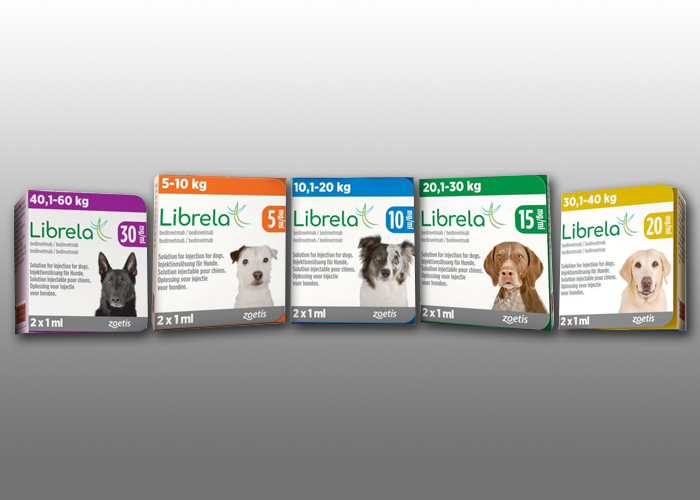


When your dog begins to slow down, struggle with stairs, or hesitate to play, it’s often more than just aging—it could be osteoarthritis (OA), a painful and progressive joint disease. Traditionally, treatment has included oral NSAIDs, supplements, and lifestyle changes. But now, there’s a revolutionary solution making waves in veterinary medicine: Librela for dogs.
Librela is a groundbreaking injectable therapy that targets osteoarthritis pain in a completely new way. Backed by science and already transforming the lives of dogs across the globe, Librela offers long-lasting pain relief with minimal side effects—restoring energy, mobility, and joy to dogs who’ve been suffering in silence.
What Is Librela?
Librela is the brand name for bedinvetmab, a monoclonal antibody developed specifically for treating canine osteoarthritis. Created by Zoetis, one of the world’s leading animal health companies, Librela is administered by your veterinarian through a once-monthly injection.
Unlike traditional pain medications that block inflammation, Librela works by targeting nerve growth factor (NGF)—a key player in pain signaling pathways. By neutralizing NGF, Librela effectively reduces pain without the common side effects seen in NSAIDs.


How Does Librela Work?
To understand how Librela for dogs provides relief, we need to look at how osteoarthritis pain works.
When a dog develops OA, the cartilage in their joints breaks down over time, causing inflammation, swelling, and pain. One of the main drivers of this pain is nerve growth factor (NGF)—a protein that increases in damaged joints and sends persistent pain signals to the brain.
Librela contains bedinvetmab, a monoclonal antibody that binds to NGF and blocks it from interacting with pain receptors. The result? Less pain signaling, less discomfort, and improved mobility—without affecting the kidneys, liver, or gastrointestinal system.
Key Benefits of Librela
✅ Long-Lasting Pain Relief
Librela offers consistent relief for up to one month with a single injection, eliminating the need for daily pills.
✅ Minimal Side Effects
Because it’s not metabolized by the liver or kidneys like NSAIDs, Librela poses less risk of organ toxicity—a major advantage for senior dogs or dogs with pre-existing health issues.
✅ Improved Mobility and Quality of Life
Many pet owners report visible improvements in just a few days. Dogs return to walking, playing, and enjoying life again.
✅ Easy for Owners
No pills to remember or struggle with. Just one monthly visit to the vet for an injection.
Clinical Backing: What the Research Says
Librela isn’t just popular—it’s proven.
In a 2021 field study published in Frontiers in Veterinary Science, researchers compared Librela with a placebo in dogs with moderate to severe osteoarthritis. The results were significant:
-
Over 40% of Librela-treated dogs showed a clinically meaningful reduction in pain (vs. just 17% in the placebo group).
-
Improvements were seen in mobility, mood, and energy levels.
-
No major safety concerns were reported.
Another long-term study published in 2022 confirmed these results, with over 75% of dog owners reporting “excellent” or “good” improvement in their dogs’ symptoms over 6 months of continued use.
Veterinarians are calling Librela a “game-changer” in managing canine OA, especially for dogs that cannot tolerate NSAIDs or haven’t responded well to other treatments.
Who Is Librela For?
Librela is approved for use in dogs diagnosed with osteoarthritis by a licensed veterinarian. It’s best suited for:
-
Senior dogs showing stiffness or limping
-
Dogs with confirmed OA on X-rays or clinical exams
-
Dogs who can’t tolerate NSAIDs due to kidney, liver, or GI issues
-
Dogs who need long-term, consistent pain relief
-
Picky dogs who resist pills or supplements
If your dog has shown signs like limping, slowing down, stiffness after naps, or reluctance to jump or climb, it’s worth asking your vet whether Librela is appropriate.
What to Expect After Treatment
Many dog owners report noticeable improvement within 3–7 days of the first injection. Dogs who previously struggled to walk or play often show increased activity, better mood, and a return to their old selves.
Each injection provides about 30 days of relief, and repeat doses build on the effects. Most dogs benefit from consistent monthly treatments to maintain mobility and reduce pain.
Are There Side Effects?
According to clinical trials and post-market surveillance, Librela is generally well tolerated. Side effects are rare, but as with any medical treatment, reactions can occur.
Possible (though uncommon) side effects include:
-
Temporary injection site swelling
-
Mild digestive upset
-
Lethargy for 1–2 days post-injection
Always talk to your vet about your dog’s full health history before starting Librela. Dogs with known immune system disorders or a history of allergic reactions to injectable drugs may require additional consideration.
Librela vs. Traditional NSAIDs
| Feature | Librela | NSAIDs (like Carprofen) |
|---|---|---|
| Dosage Frequency | Monthly injection | Daily oral dose |
| Target | Nerve Growth Factor (NGF) | Cyclooxygenase (COX enzymes) |
| Organ Impact | Low (not processed by liver/kidney) | Moderate to high (liver, kidney strain) |
| Ease of Use | Vet-administered injection | Owner-administered pills |
| Ideal For | Long-term OA pain management | Short-term inflammation or injury |
Cost and Availability
Librela is prescription-only and must be administered by a licensed veterinarian. The cost varies depending on your dog’s weight and clinic pricing, but it generally ranges from $50 to $90 per dose.
While that may seem higher than oral medications, many owners find it worth the investment for the improved comfort, fewer side effects, and convenience.
Some pet insurance plans cover Librela, especially for chronic pain or arthritis treatment. Ask your vet for documentation to submit a claim.
Is Librela Right for Your Dog?
Librela for dogs is truly a breakthrough treatment that’s changing the way we manage osteoarthritis in pets. With its targeted mechanism, minimal side effects, and monthly convenience, it’s giving dogs their lives back—and giving pet parents peace of mind.
If your dog is slowing down, showing signs of discomfort, or struggling to stay active, it’s time to have a conversation with your vet. Librela might be the key to restoring your dog’s quality of life—one injection at a time.
Because every dog deserves to run, jump, and play—pain-free.