


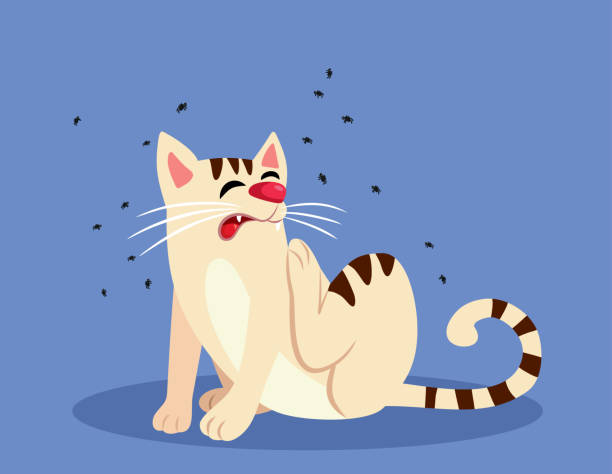


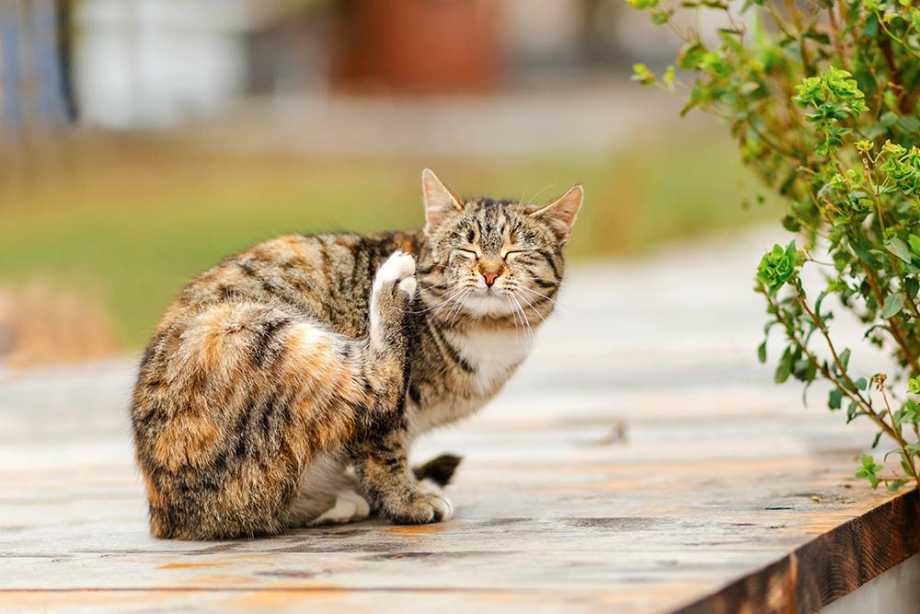
Lice infestations, while relatively rare in cats, can cause significant discomfort and health concerns when they do occur. Lice in Cats are tiny, wingless parasites that live on the skin and hair of their host, feeding on debris and causing symptoms like itching, irritation, and restlessness. Lice in Cats may lead to excessive scratching, dry or matted fur, or signs of agitation. In severe cases, especially if left untreated, Lice in Cats can cause skin infections or anemia due to blood loss.
It’s important for cat owners to be able to recognize the signs of a lice infestation and know how to respond quickly. Lice in Cats are visible to the naked eye and can often be spotted around the ears, neck, and shoulders. Unlike fleas, they move slowly and do not jump, making them easier to identify during a close inspection.
Treatment typically involves topical insecticides, medicated shampoos, or spot-on treatments prescribed by a veterinarian. It’s also crucial to clean your cat’s bedding and environment thoroughly to prevent reinfestation. Lice in Cats can be effectively managed with proper care. Regular grooming and routine health checks are key to early detection.
In this blog post, we’ll walk you through everything you need to know about identifying, treating, and preventing cat lice to ensure your feline friend stays healthy, comfortable, and pest-free.
What Are Cat Lice?
Lice are small, wingless parasites that feed on the skin and hair of animals, including cats. Unlike fleas, lice are species-specific, meaning they won’t spread to humans or other pets like dogs. Cat lice (Felicola subrostratus) are often found in unkempt or stray cats, but any cat can become infested if exposed.
Signs of Lice Infestation in Cats
Before jumping into treatment, it’s important to recognize the signs of a lice infestation:
- Excessive Scratching: Your cat may scratch more than usual due to the irritation caused by lice bites.
- Visible Lice: You may notice small, white or brown insects crawling in your cat’s fur.
- Bald Patches: Lice cause hair loss, which can lead to noticeable bald spots on your cat.
- Dry or Scabby Skin: As lice feed on your cat’s skin, they leave behind irritations, leading to scabs or rough skin.
If you observe any of these signs, it’s time to take action.
Step-by-Step Guide to Treat Lice in Cats
1. Quarantine Your Cat
To prevent the lice from spreading to other pets, isolate the infected cat. Although lice are species-specific, they can still transfer to other cats in your household.
2. Use a Cat-Safe Lice Shampoo
Lice shampoos are designed to kill the lice and soothe your cat’s irritated skin. Look for products that contain:
- Pyrethrin: A safe insecticide commonly used in pet shampoos.
- Lime Sulfur Dips: Effective for severe cases but may have an unpleasant smell.
Follow the shampoo’s instructions carefully, as too much use can dry out your cat’s skin. A vet-prescribed shampoo is often the best option to ensure safety and effectiveness.
3. Apply Flea Preventatives
While treating your cat for lice, it’s important to start using flea preventatives that also target lice. Some effective treatments include:

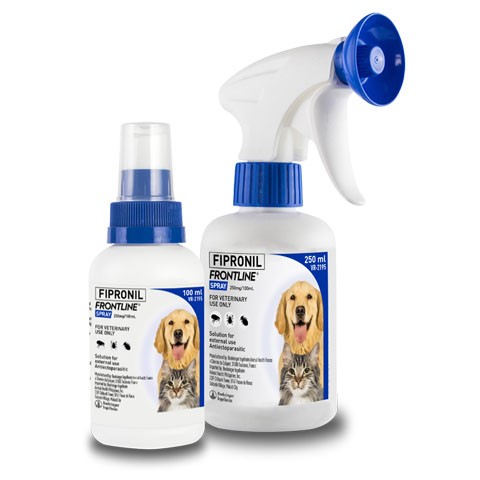

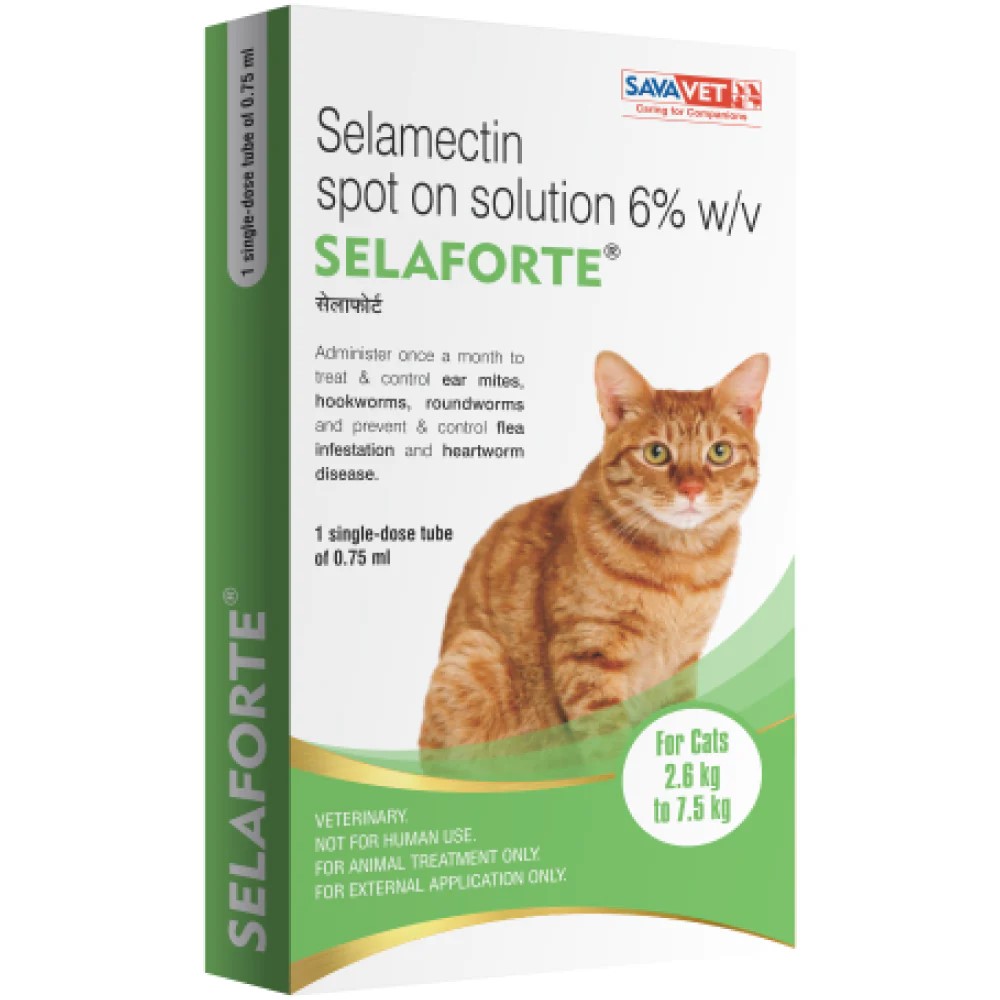

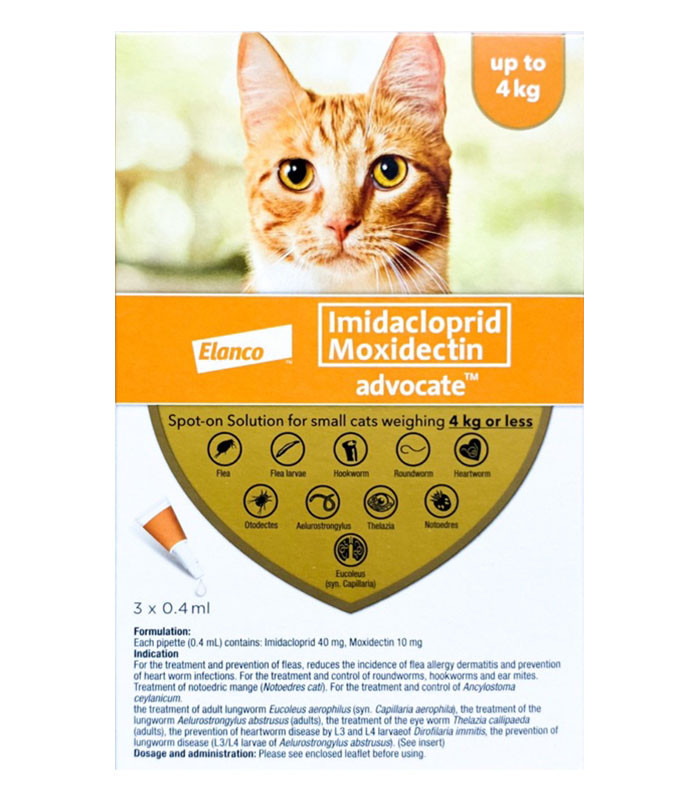
These treatments help kill lice and prevent reinfestation. Always consult your vet before using any flea or lice products to ensure they’re safe for your cat.
4. Clean Your Cat’s Environment
Lice can lay eggs (nits) on your cat’s bedding, toys, and other areas they frequent. To prevent re-infestation, thoroughly clean your cat’s living space by:
- Washing Bedding and Toys: Use hot water to kill any lice or eggs.
- Vacuuming Regularly: Vacuum areas where your cat sleeps or spends a lot of time to remove any loose lice or eggs.
5. Groom Your Cat with a Fine-Toothed Comb
After treating your cat, use a flea comb to help remove any remaining lice or nits from your cat’s fur. Comb through the fur daily, paying special attention to areas like the head, neck, and base of the tail where lice are most likely to gather.
6. Seek Veterinary Help for Severe Infestations
If home treatments aren’t working or the lice infestation is severe, take your cat to the vet. Your vet may prescribe stronger oral medications or recommend other treatments to eliminate the lice more effectively.
Preventing Future Lice Infestations
Once your cat is lice-free, you’ll want to take steps to prevent future infestations:
- Regular Flea Preventative: Using monthly flea preventatives can keep lice at bay.
- Routine Grooming: Regularly brushing and checking your cat’s fur will help you spot any signs of parasites early.
- Keep Your Cat Indoors: Limiting outdoor exposure reduces the chance of your cat coming into contact with lice-carrying animals.
Final Thoughts
Lice in Cats infestations are relatively uncommon, but they can still occur, especially in cats that are old, sick, stray, or have compromised immune systems. Lice in Cats are tiny, wingless insects that live on the skin and hair of the host, feeding on blood or skin debris. In cats, the most common species is Felicola subrostratus, a biting louse. Signs of Lice in Cats include excessive scratching, restlessness, dry or matted fur, hair loss, and visible tiny white specks on the fur that resemble dandruff but are difficult to remove.
Fortunately, Lice in Cats are typically easy to treat with the right approach. Early detection is essential to prevent the problem from worsening and to avoid potential secondary skin infections. Treatment usually involves the use of topical insecticides or medicated shampoos specifically designed for cats. Regular grooming helps you monitor your cat’s coat and catch any problems early. It also helps remove lice eggs (nits) and keep the coat healthy.
Maintaining a clean living environment is equally important. Wash your cat’s bedding, vacuum carpets, and disinfect areas where your cat spends time. Monthly flea preventatives, often prescribed by a veterinarian, can also help protect against Lice in Cats and other parasites. With prompt attention and proper care, your cat can stay healthy, happy, and lice-free.