

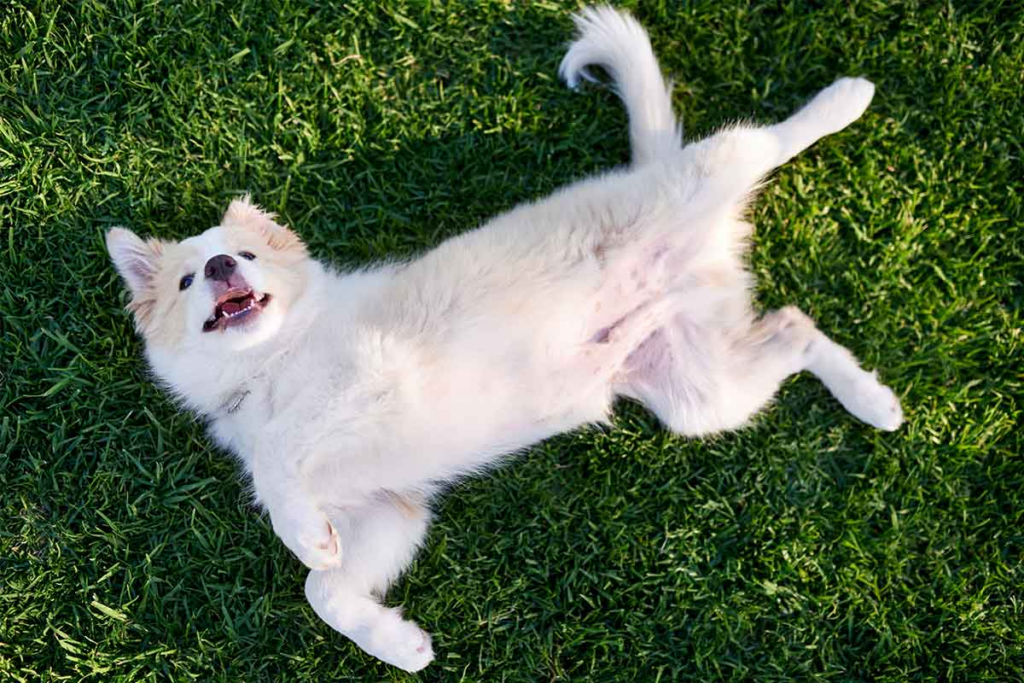


Teaching your dog the Roll Over Dog Trick is one of those moments that blends cuteness, laughter, and a little bit of canine gymnastic flair. While it might look like a tricky move, breaking it down into simple, consistent steps makes it both achievable and fun.
In this guide, you’ll learn exactly how to teach your dog to roll over, the benefits of the trick, troubleshooting tips, and ways to make training more effective.
Why Teach the Roll Over Dog Trick?
The roll over trick might seem purely for entertainment, but it actually serves a deeper purpose:
-
Mental Stimulation – Rolling over requires focus, which helps keep your dog’s mind sharp.
-
Physical Flexibility – Encourages your dog to stretch and use muscles that aren’t always active during normal walks.
-
Bonding Opportunity – Training strengthens trust and communication between you and your dog.
-
Gateway to Advanced Tricks – Once learned, it can be combined with other tricks for impressive routines.
Plus, it’s guaranteed to get some “aww” reactions from friends and family.


Things You’ll Need Before Training
To make your training session smooth and rewarding, prepare these essentials:
-
Small, tasty treats – Soft, bite-sized rewards your dog loves.
-
A comfortable surface – Carpet, mat, or grassy area to cushion rolling.
-
A clicker (optional) – For precise timing in marking the correct behavior.
-
Patience and positivity – Your dog learns best when you’re calm and encouraging.
Step-by-Step Guide to Teaching the Roll Over Dog Trick
Step 1: Start with the “Down” Command
Before your dog can roll over, they need to lie down on command.
-
Say “Down” while guiding them into position with a treat.
-
Reward immediately when they lie down.
-
Repeat until “Down” is solid and reliable.
Tip: If your dog doesn’t know “Down” yet, spend a few short sessions on it first—this step is the foundation for the roll over trick.
Step 2: Lure Toward the Shoulder
Once your dog is lying down:
-
Hold a treat close to their nose.
-
Slowly move the treat toward their shoulder, encouraging them to turn their head.
-
As their head follows, their body will naturally begin to lean to one side.
Reward small progress. If they only lean halfway at first, that’s okay. You’re building muscle memory step by step.
Step 3: Guide the Full Roll
When your dog is leaning, keep moving the treat in a curved motion over their shoulder and toward their back.
-
Their head will follow the treat, prompting them to roll onto their back and over to the other side.
-
The instant they complete the roll, praise and reward enthusiastically.
Some dogs may hesitate—this is where patience pays off. Reward attempts and encourage gradually bigger movements.
Step 4: Add the Verbal Cue
Once your dog starts to understand the motion:
-
Say “Roll Over” just before guiding them with the treat.
-
Over multiple sessions, they’ll link the verbal cue to the action.
-
Eventually, they should roll over on command with little or no luring.
Step 5: Practice in Short, Fun Sessions
Dogs learn faster in short bursts rather than long, repetitive drills.
-
Keep training to 5–10 minutes at a time.
-
Practice daily or every other day for consistency.
-
Always end the session on a positive note, even if it’s just a small win.
Common Problems and How to Fix Them
-
Dog refuses to lie down – Go back and practice “Down” until it’s solid.
-
Dog stops halfway – Reward smaller movements and build up gradually.
-
Dog is distracted – Train in a quiet, low-distraction environment first.
-
Dog loses interest – Use high-value treats or end the session earlier.
Remember: frustration will slow progress, so take breaks when needed.
Tips for Success
-
Train on soft ground to make rolling more comfortable.
-
Use only positive reinforcement—never force your dog into position.
-
Mark the exact moment they complete the roll with a treat or click.
-
Train when your dog is alert but not overly energetic to maximize focus.
Making the Trick Even Better
Once your dog can roll over reliably:
-
Teach them to roll in both directions by luring the opposite way.
-
Combine with other tricks like “Play Dead” or “Sit Pretty” for a routine.
-
Add a hand signal so you can cue silently.
Safety Considerations
While the Roll Over Dog Trick is safe for most dogs, a few precautions can prevent discomfort or injury:
-
Avoid hard or slippery floors to protect joints and spine.
-
If your dog has arthritis, back problems, or is recovering from an injury, consult your vet before training.
-
Keep rolls gentle—don’t encourage overly fast or exaggerated movements.
Training Timeline: How Long Will It Take?
Every dog learns at a different pace:
-
Fast learners: Some dogs may pick it up in just a few short sessions.
-
More cautious dogs: May take a week or two of gradual practice.
The key is consistency—training daily in short, positive sessions leads to faster mastery.
Final Thoughts
Teaching the Roll Over Dog Trick is more than just a fun party move—it’s a bonding activity that stimulates your pet dog mentally and physically. By breaking the process into small, rewarding steps, keeping training sessions short, and using lots of praise, you’ll set your dog up for success.
Before you know it, your furry friend will be rolling over with confidence—and you’ll both be enjoying the smiles and applause it brings.