

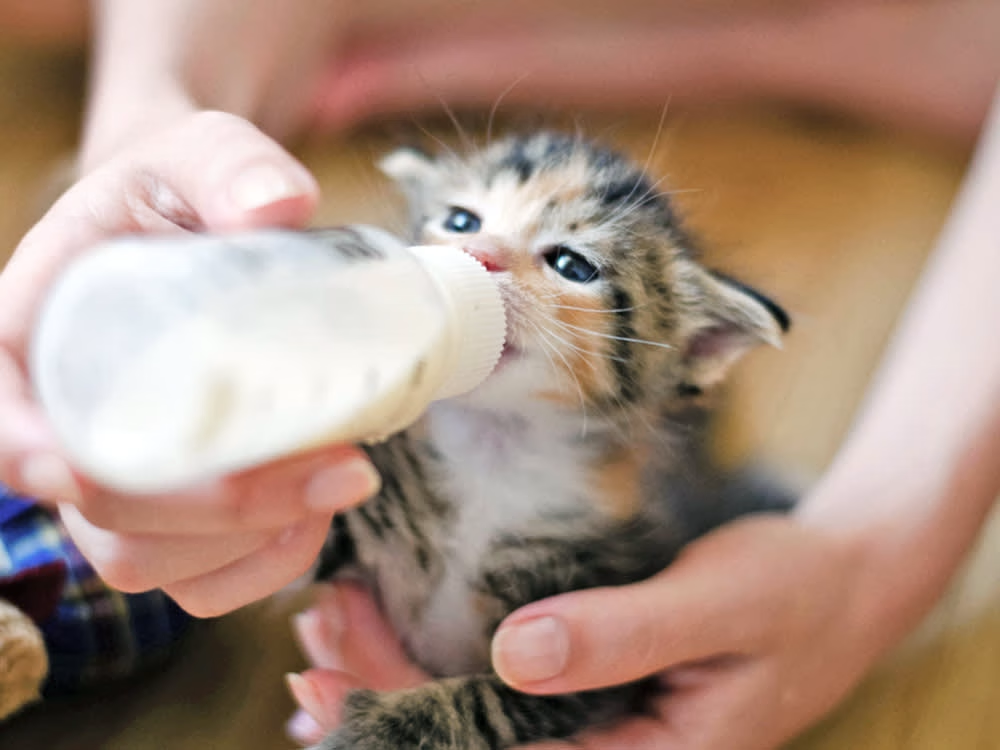

Bringing home a tiny, wide-eyed kitten is one of the most heartwarming experiences a pet lover can have. But if your kitten is orphaned, rejected by its mother, or simply needs supplemental feeding, regular cow’s milk isn’t the answer. In fact, it can cause digestive upset, diarrhea, and malnutrition. That’s where kitten milk replacers come in.
Kitten milk replacers are specially formulated to mimic the nutritional profile of a mother cat’s milk. Packed with the right balance of proteins, fats, vitamins, and minerals, they ensure your kitten gets the nutrients they need to grow strong and healthy. This guide breaks down everything you need to know about kitten milk replacers—from why they’re essential, to how to use them, and the best options available today.
Why Not Regular Milk?
A common misconception is that kittens can safely drink cow’s milk. Unfortunately, cow’s milk is too low in protein and fat, and too high in lactose for a kitten’s delicate stomach. This often results in diarrhea, dehydration, and nutritional deficiencies.
Mother cat’s milk is uniquely designed to support rapid growth in kittens, containing higher levels of protein, fat, and specific amino acids like taurine. Kitten milk replacers are the closest substitute to provide these essential nutrients when the real thing isn’t available.
What Are Kitten Milk Replacers?
Kitten milk replacers (KMR) are powdered or liquid formulas designed to replicate the composition of a queen’s (mother cat’s) milk. They are enriched with:
-
Protein and amino acids for muscle and organ development.
-
Fat and essential fatty acids for energy and brain growth.
-
Vitamins and minerals to support bone, immune, and nervous system health.
-
Taurine, an amino acid crucial for feline vision and heart function.
When used correctly, KMRs provide complete nutrition for kittens until they transition to solid food.
When Should You Use Kitten Milk Replacers?
You should turn to kitten milk replacers if:
-
The mother cat is absent, sick, or unable to nurse.
-
A large litter makes it difficult for the queen to feed all kittens.
-
You’re fostering orphaned or abandoned kittens.
-
A vet recommends supplementation for underweight or malnourished kittens.
Generally, kittens need milk replacers from birth until about 4–5 weeks old, after which they can slowly transition to soft kitten food.
Types of Kitten Milk Replacers
There are two main forms available:
1. Powdered Formula
-
Must be mixed with warm water before feeding.
-
Has a longer shelf life in storage.
-
Often more cost-effective.
2. Liquid Formula
-
Ready-to-use straight from the container.
-
Convenient for emergencies or travel.
-
Shorter shelf life once opened.
Both types are equally effective if prepared and stored correctly.
How to Feed a Kitten with Milk Replacers
Feeding kittens requires patience and care. Here’s a quick guide:
-
Supplies You’ll Need:
-
Kitten-specific nursing bottle or syringe
-
Warm water (for powdered formula)
-
Clean cloth or towel
-
-
Prepare the Formula:
-
Mix powdered replacer with warm (not hot) water according to the package instructions.
-
If using liquid formula, warm it slightly by placing the bottle in warm water—never microwave, as it creates hot spots.
-
-
Feeding Position:
-
Place the kitten belly-down (like nursing from their mother), never on its back.
-
Hold the bottle at an angle to prevent air intake.
-
-
Feeding Schedule:
-
0–1 week old: Every 2–3 hours (including nights)
-
1–2 weeks old: Every 3–4 hours
-
3–4 weeks old: Every 4–5 hours
-
4–5 weeks old: 3–4 times daily, supplemented with kitten food
-
-
After Feeding:
-
Gently burp the kitten by holding it upright and rubbing its back.
-
Stimulate urination/defecation using a warm damp cloth until about 3 weeks of age.
-
Top Kitten Milk Replacers to Try
Here are some highly recommended options available in most pet stores and online:
1. PetAg KMR Powder
One of the most trusted formulas, PetAg KMR provides balanced protein and fat, fortified with taurine. Available in powder and liquid forms.

2. PetLac Kitten Milk Replacement
A great alternative, rich in essential vitamins and minerals. It’s often more budget-friendly while still nutritionally complete.

3. Nutri-Vet Milk Replacement for Kittens
Designed to be easy to digest, making it ideal for sensitive kittens or those with tummy troubles.

4. Royal Canin Babycat Milk
Premium option with highly digestible proteins and prebiotics for gut health. Slightly pricier but excellent for fragile kittens.

5. Hartz Kitten Milk Replacer Powder
Widely available and affordable, this formula contains essential nutrients and is easy to prepare.

Tips for Success with Kitten Milk Replacers
-
Always follow the manufacturer’s instructions for mixing and feeding amounts.
-
Store powder properly in a cool, dry place and refrigerate prepared formula for no more than 24 hours.
-
Weigh kittens regularly to ensure steady growth.
-
Avoid overfeeding, which can lead to aspiration pneumonia or diarrhea.
-
Transition gradually to kitten wet food around 4 weeks old.
Common Mistakes to Avoid
-
Using cow’s milk or goat’s milk exclusively – these lack vital nutrients and can harm kittens.
-
Feeding too cold or too hot formula – aim for body temperature (around 100°F / 37°C).
-
Forcing milk into the mouth – always allow the kitten to suckle at their own pace.
-
Skipping nighttime feeds too early – newborns need round-the-clock care.
Conclusion
Raising a kitten without its mother’s help is no easy task, but with the right kitten milk replacers, you can give your little one the best start in life. These formulas are specially designed to provide everything a growing kitten needs—protein, fat, vitamins, and taurine—to thrive during their earliest weeks.
With proper feeding techniques, patience, and care, your kitten will grow strong, healthy, and ready for a lifetime of companionship. Remember: choosing the right product and using it correctly makes all the difference.
If you’re ever unsure, consult your veterinarian for guidance on feeding amounts and formula choice. With the right approach, your kitten’s journey from bottle to bowl will be a smooth and rewarding experience.