

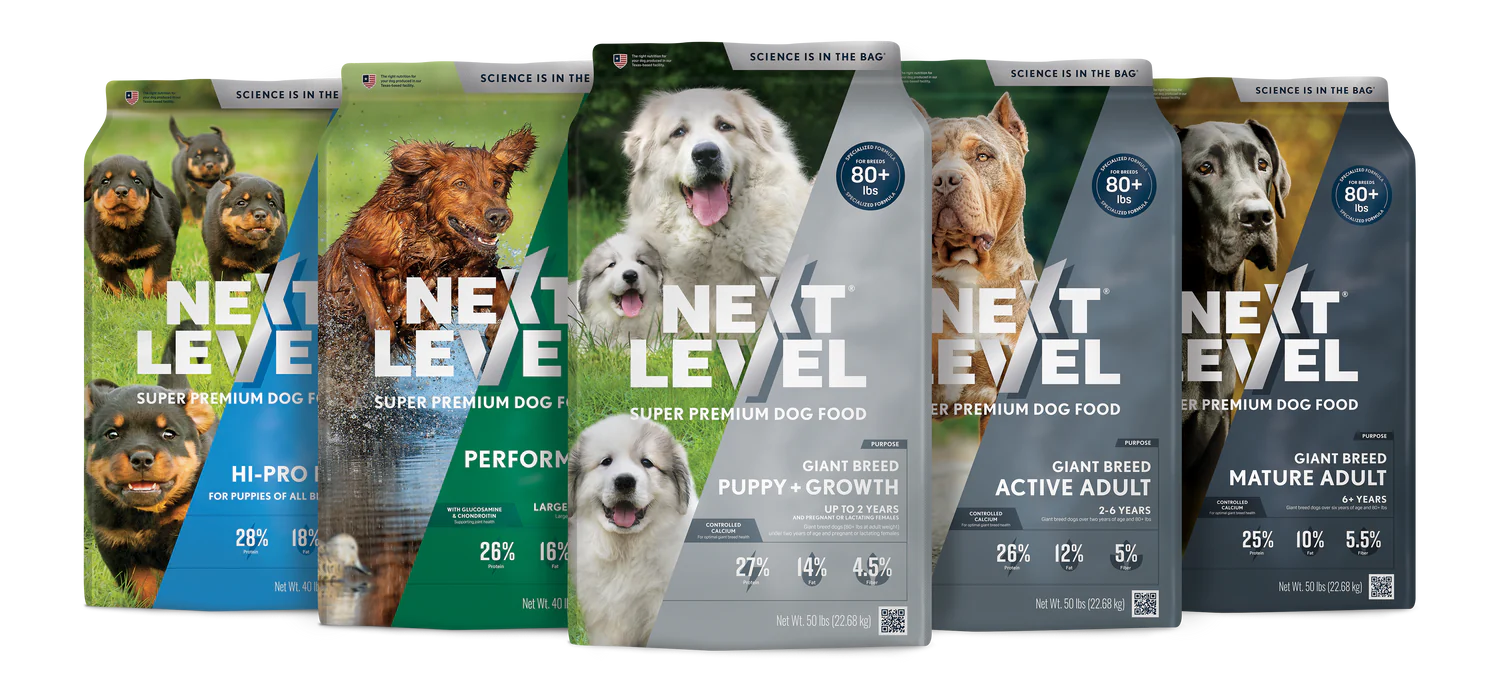

As dog owners, we all want our furry companions to live long, active, and vibrant lives. What they eat plays one of the most critical roles in achieving that goal. Welcome to next level dog food feeding—a concept centered on Pet Food Nutrition that focuses on real, nutrient-rich ingredients rather than empty fillers. Whether you’re caring for a rambunctious puppy, a prime-age adult, or a distinguished senior, choosing the right diet can dramatically impact their health—from digestion and immunity to skin, coat, and energy levels.
In this guide, we’ll explore what truly constitutes high-quality nutrition for dogs, how to evaluate food labels, and ways to elevate your pet’s diet using real food power. By the end, you’ll be empowered to make informed, proactive choices about how you nourish your best friend.
Why Next Level Pet Food Nutrition Matters
Proper pet food nutrition goes beyond just protein and kibble—it’s about delivering a full spectrum of nutrients that help dogs thrive at every life stage. When fed a nutritionally balanced, high-quality diet, dogs enjoy:
-
Robust immune systems that ward off illnesses
-
High energy and mental sharpness, supporting playfulness and training
-
Healthy skin and coats, often showcased by a glossy shine
-
Sound digestion, reducing gastrointestinal issues
-
Lean muscle maintenance and healthy weight management
-
Joint and bone health, especially important for active or aging pups
On the flip side, poor nutrition increases the risk of allergies, obesity, diabetes, arthritis, dental problems, and shorter lifespan.
The 8 Pillars of Next Level Pet Food Nutrition
To power your dog’s well-being, consider these key nutritional components:
1. High-Quality Animal Protein
Protein provides vital amino acids for tissue repair, muscles, and immune function. Aim for foods that list real meat—like chicken, turkey, lamb, or fish—as the first ingredient. Avoid “meat by-products” which vary in quality and are not guaranteed to provide essential nutrients.
2. Healthy Fats & Essential Fatty Acids
Fats deliver energy and support skin, coat, brain health, and inflammation control. Sources like fish oil, flaxseed oil, and animal fat offer Omega-3 and Omega-6, critical for tissue integrity, joint function, and heart health.
3. Balanced Carbohydrates & Fiber
Whole grains (oats, brown rice), legumes, and vegetables offer energy, vitamins, and fiber—supporting digestion and steady energy release. Fiber also promotes healthy gut bacteria, enhancing immunity.
4. Vital Vitamins & Minerals
Micronutrients like vitamins A, D, E, B-complex, and minerals such as calcium, phosphorus, zinc, and selenium are essential for bones, metabolism, and overall physiological function. Balanced pet foods should meet AAFCO standards for daily life stages.
5. Moisture Content Matters
Hydration is critical—especially for dogs eating dry kibble. Wet food or the addition of water significantly supports urinary tract and kidney health, especially in cats or dogs prone to dehydration.
6. Natural Antioxidants
Ingredients like blueberries, sweet potatoes, turmeric, and cranberries provide antioxidants that combat inflammation and aging, contributing to long-term wellbeing.
7. Limited Fillers and Additives
Avoid foods with excessive corn, wheat, soy, artificial colors, flavors, or preservatives—these reduce nutrient density and may trigger allergies or sensitivities.
8. Life-Stage Specific Formulas
Nutritional needs evolve with growth, maturity, and age. Puppies need higher protein and fat; adult dogs need balanced maintenance formulas; seniors benefit from joint support and calorie-modulated diets.
Reading Dog Food Labels: What to Watch For
Understanding food labels helps ensure you’re making informed decisions:
-
Ingredient list: Meat should be the top ingredient. Secondary ingredients may include named meats and high-quality grains or vegetables. Avoid vague phrases like “animal digest” or “by-products.”
-
Guaranteed analysis: Look for protein (20–30%), fat (10–20%), moisture, and minimal filler statements (like crude fiber).
-
AAFCO approval: This indicates the food meets nutritional standards for puppies, adults, or seniors.
-
Additives and preservatives: Opt for foods that use natural preservatives like mixed tocopherols (vitamin E) and avoid artificial dyes and BHA/BHT.
Labels aren’t foolproof, but knowing how to interpret them helps you make better choices.
Exploring Dog Food Types
Each dog food type has unique benefits and considerations:
Dry Kibble
-
Benefits: Cost-effective, convenient, aids dental health via chew
-
Drawbacks: Lower moisture levels; may contain fillers
Wet/Canned Food
-
Benefits: High moisture, palatable, high protein
-
Drawbacks: More expensive; refrigerate after opening
Fresh and Raw Diets
-
Benefits: Digestibility, minimal fillers, nutrient-dense
-
Drawbacks: Prep time, spoilage risk; requires hygienic handling
Homemade Diets
-
Benefits: Complete ingredient control; tailored to your dog
-
Drawbacks: Time-intensive; requires veterinary design to avoid imbalances
Level-Up Strategies for Pet Food Nutrition
Here are practical ways to enhance your dog’s diet:
1. Rotate Proteins Regularly
Alternating between meats, fish, and eggs helps prevent nutrient gaps and dietary intolerance.
2. Add Safe Superfoods
Enhance food with fresh, pet-safe foods like pumpkin, green beans, apples, blueberries, cottage cheese, or salmon oil. These boost nutrition and flavor.
3. Hydration Support
Bake wet food into treats or mix with broth. Keeping water accessible keeps your dog properly hydrated.
4. Tailor to Life Stage and Activity
Adjust calories and macro balance for weight control, senior health, or athletic training—your vet can assist.
5. Supplement Smartly
Consider vet-approved joint supplements like glucosamine or multi-nutrient blends containing omega oils and probiotics.
6. Monitor & Adjust
Watch weight, coat quality, stool consistency, and energy. Work with your vet to fine-tune diet regularly.
Debunking Common Pet Nutrition Myths
Myth: “Grain-Free is Best”
Only dogs with allergies benefit. Whole grains provide fiber and nutrients. Grain-free isn’t inherently superior; some may even pose health risks for certain dogs.
Myth: “Raw Food is Always Healthier”
Raw diets can carry bacterial risks without proper hygiene. Balanced diets—raw, fresh, or kibble—can all be healthy if designed correctly.
Myth: “Expensive Food Equals Better Nutrition”
Cost doesn’t guarantee quality. Ingredient list and nutritional content matter more than price tag.
Success Story: Bella, the Energized Retriever
Bella, a 5-year-old Labrador, struggled with excessive shedding, dull coat, and joint stiffness. Switching from standard kibble to a vet-formulated diet rich in fish oil, pumpkin, and glucosamine led to improvement within weeks. Today, Bella runs faster, sheds less, and glows with good health—proof that pet food nutrition transforms lives.
What to Ask Your Vet
Curious about enhancing your dog’s nutrition? Conversations with your vet might include:
-
Which dietary components are best for my dog’s age, breed, and health?
-
Are supplements like omega oils or probiotics recommended?
-
How can I safely transition from current food to a new one?
-
What signs indicate the diet isn’t working (weight issues, digestion, coat changes)?
-
How often should we monitor weigh-ins, skin, and energy?
The Future of Pet Food Nutrition
Emerging trends in dog food include:
-
Personalized nutrition plans based on DNA, lifestyle, and health markers
-
Eco-friendly protein sources like insect meal or sustainably sourced meat
-
Functional foods targeting specific health issues—joint, dental, digestion support
-
Clean-label innovations using human-grade ingredients and natural preservatives
These advances promise healthier pets and a healthier planet.
Feeding your dog isn’t just routine—it’s an opportunity to significantly influence their health and happiness. By embracing next level pet food nutrition—choosing nutrient-rich ingredients, reading labels critically, and enhancing diet with real foods—you’re giving your dog a powerful foundation for life.
As your pet’s most important caregiver, start today by taking charge of what goes in their bowl. Watch as vitality, shine, and zest become their new normal.