
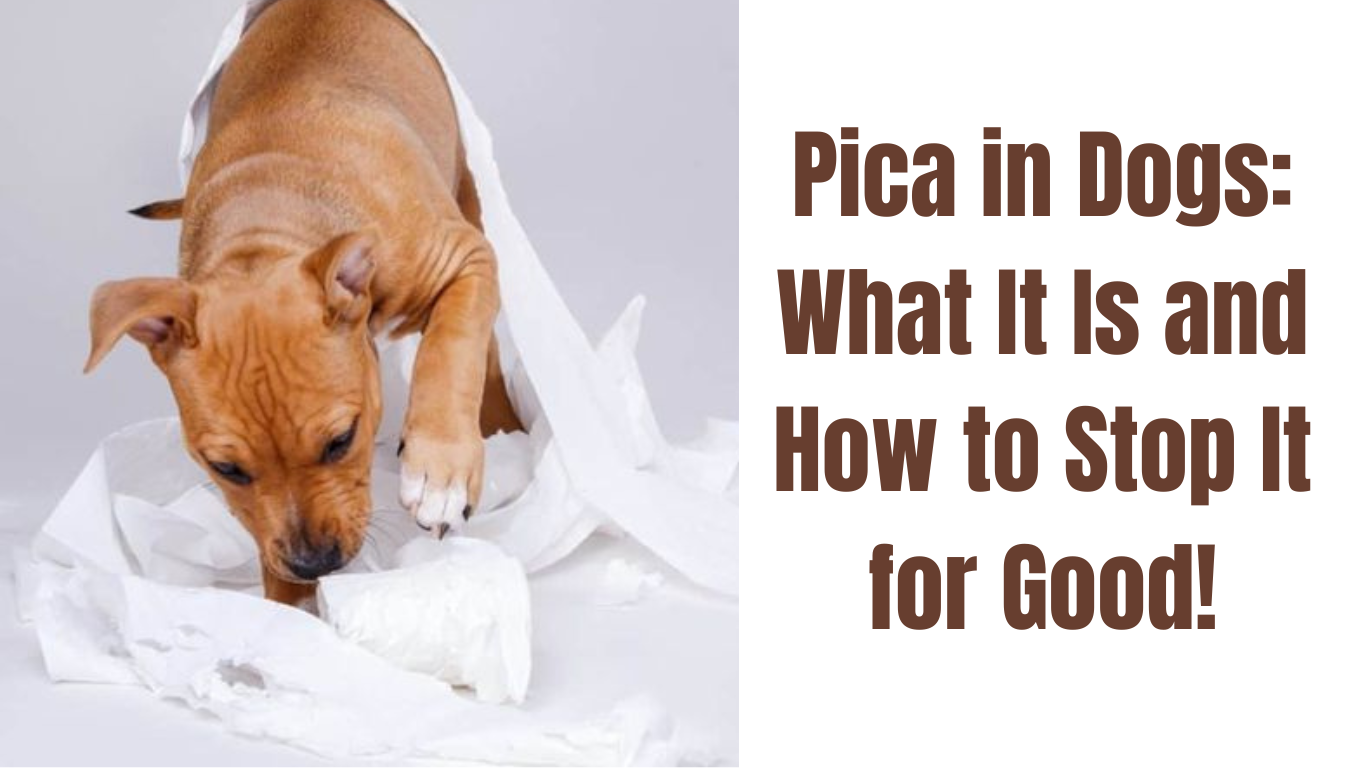

As a dog owner, you may have noticed your furry friend chewing on things they shouldn’t, like socks, rocks, or furniture—a behavior known as Pica in Dogs. This behavior might seem quirky or even cute at first, but it can quickly become a serious issue. When dogs develop a tendency to eat non-food objects, it’s known as pica, and it can lead to a host of health problems. Understanding what causes pica in dogs, how to identify it, and the steps you can take to stop it for good are essential to ensuring your dog’s well-being.
In this comprehensive guide, we’ll dive into the causes, symptoms, and most effective treatments for pica in dogs, along with professional advice from veterinarians on how to tackle this behavior problem.
What is Pica in Dogs?
Pica is the medical term for a condition where a dog eats non-food items. While it is normal for dogs to chew on things like toys or bones, consuming inappropriate objects can be dangerous. Some of the most common things dogs with pica will ingest include:
-
Fabric (socks, blankets, etc.)
-
Plastic items (bottles, bags)
-
Wood or sticks
-
Rocks or stones
-
Metal items
-
Dirt or mud
This behavior can lead to choking, intestinal blockages, poisoning (from chemicals or indigestible materials), and even damage to their teeth. If left untreated, pica can severely affect your dog’s health and quality of life.
Common Causes of Pica in Dogs
Pica doesn’t usually develop overnight, and it’s often a symptom of an underlying issue. Some of the most common causes include:
-
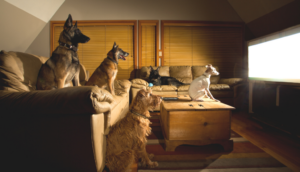
Boredom and Lack of Mental Stimulation Dogs are intelligent creatures that need constant mental stimulation to stay happy. When they don’t get enough interactive play or mental challenges, they may turn to destructive behaviors like chewing on inappropriate objects.
-
Nutritional Deficiencies A lack of certain nutrients in a dog’s diet, such as fiber, minerals, or vitamins, can lead to pica. Dogs might eat non-food items in an attempt to make up for these deficiencies.
-
Stress and Anxiety Just like people, dogs can experience stress, anxiety, or depression, especially during major life changes like moving, the loss of a companion, or a change in routine. This anxiety often manifests as repetitive behaviors, including eating non-food items.
-
Medical Issues Sometimes, pica in dogs is linked to an underlying medical condition. For example, digestive disorders, parasites, or hormonal imbalances can cause dogs to chew on unusual objects. A dog may also develop pica due to pain or discomfort.
-
Compulsive Behavior Some dogs develop pica as a compulsive behavior. It’s similar to obsessive-compulsive disorder (OCD) in humans and might be triggered by stress, boredom, or even genetics. These dogs may continue eating inappropriate items despite interventions.
-
Curiosity Puppies are naturally curious and may chew or swallow non-food items simply to explore their environment. While this behavior tends to lessen as they mature, some dogs might continue this habit into adulthood.
Symptoms of Pica in Dogs
Recognizing pica in dogs is relatively straightforward. Here are some signs to look for:
-
Frequent chewing or swallowing of non-food objects.
-
Vomiting or diarrhea after eating strange items.
-
Obvious signs of discomfort or distress.
-
A lack of interest in their regular toys or food, preferring to chew on household items.
-
Visible signs of injury or damage to teeth and gums.
If your dog exhibits any of these behaviors, it’s essential to take action immediately, as untreated pica can lead to severe health complications.
How to Stop Pica in Dogs: Expert Tips and Vet Advice
If you’ve noticed your dog engaging in pica, you might be wondering how to stop it for good. The solution often involves a combination of behavioral training, medical intervention, and environmental changes. Below are steps you can take, with expert insights from veterinarians, to help stop pica in its tracks.
1. Consult Your Veterinarian
Before jumping into behavior modification, it’s crucial to rule out any medical causes for your dog’s pica. A veterinarian will conduct a thorough examination to determine if there’s an underlying health condition, such as nutritional deficiencies, parasites, or gastrointestinal issues, contributing to the behavior.
If your vet suspects a medical issue, they may suggest dietary changes, medications, or treatments to address the problem. In some cases, pica may be linked to anxiety or stress, which can be managed with behavioral therapy or anti-anxiety medications prescribed by your vet.
2. Provide Proper Mental Stimulation
Dogs need both physical and mental exercise to stay healthy. If your dog is bored, they may resort to chewing on inappropriate objects. To combat boredom, make sure your dog has plenty of interactive toys that challenge their mind. Puzzle feeders, treat-dispensing toys, and obedience training sessions are excellent ways to engage your dog mentally.
Vet Advice: “Interactive play is vital for keeping your dog mentally sharp. Dogs that don’t get enough mental stimulation often find their own outlets for energy, which may include chewing on household items,” says Dr. Sarah M. Miller, a veterinary behaviorist.
3. Use Positive Reinforcement for Proper Chewing
One effective way to curb pica in dogs is to teach them which objects are appropriate to chew on. Positive reinforcement training involves rewarding your dog with praise or treats when they chew on their toys instead of household items.
If your dog starts chewing on a non-food object, redirect them to an appropriate chew toy and reward them when they start chewing it instead. Consistency is key in this process.
4. Manage Stress and Anxiety
If your dog’s pica is driven by stress or anxiety, it’s important to address the root cause. Ensure your dog has a consistent routine, plenty of socialization, and a comfortable environment. Additionally, consider using anxiety-reducing products such as calming collars, pheromone diffusers, or anxiety wraps. In some cases, your vet may prescribe anti-anxiety medications to help manage the behavior.
Vet Tip: “Addressing stress through environmental enrichment and anxiety-reducing techniques is crucial. If the behavior persists, seeking professional help from a veterinary behaviorist might be necessary.”
5. Provide a Balanced Diet
Ensure your dog is getting a nutritionally balanced diet that meets all their dietary needs. If your dog is experiencing pica due to nutritional deficiencies, switching to a high-quality dog food can help prevent the behavior.
Vet Advice: “If your dog has a known medical issue that affects digestion or appetite, working with your veterinarian to address these issues through diet or supplements may alleviate pica,” advises Dr. Emma Green, a veterinary nutritionist.
6. Keep Hazardous Objects Out of Reach
In the short term, it’s important to remove any tempting objects from your dog’s environment. Keep small items, shoes, laundry, and hazardous materials out of your dog’s reach. Use baby gates or crates to restrict access to certain areas of your home where pica may be a problem.
7. Consider Professional Help
If your dog’s pica is severe or persistent, seeking help from a professional dog trainer or veterinary behaviorist may be necessary. These experts can work with you to develop a personalized behavior modification plan.
Pica in dogs can be a frustrating and potentially dangerous behavior, but with the right approach, it’s possible to curb it for good. The first step is to consult with a veterinarian to rule out any medical conditions. From there, a combination of training, mental stimulation, stress management, and dietary changes can help your dog stop eating non-food items.
By addressing the underlying causes of pica and using expert-approved methods, you can ensure that your dog leads a happy, healthy, and safe life.