


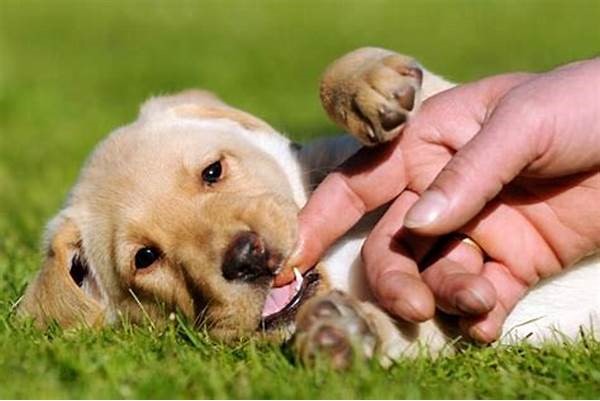


Puppies are incredibly adorable bundles of energy, curiosity, and affection, bringing joy and excitement into any home. However, along with their playful nature comes a set of challenges that every new dog owner must be prepared to handle. One of the most common and frustrating issues is puppy biting. It’s important to understand that puppy biting is a completely natural behavior for puppies. They explore the world with their mouths, teethe to relieve discomfort, and play with their littermates using gentle bites. However, when these puppy biting behaviors are directed at humans, especially when they are hard or frequent, it can quickly become a problem.
Teaching your puppy to stop puppy biting is a crucial part of their early training and socialization. If left unchecked, puppy biting can escalate as they grow, making it harder to correct later on. The key is to set clear boundaries and provide consistent guidance while offering safe alternatives, such as chew toys. Patience and positive reinforcement play a vital role in helping your puppy understand what is acceptable behavior. This comprehensive guide will walk you through effective strategies and tips to manage and reduce puppy biting, ensuring your puppy develops into a well-mannered and happy adult dog, making your journey together more enjoyable and rewarding.
Understanding Puppy Biting
Before diving into solutions, it’s important to understand why puppies bite. Biting is a normal behavior for puppies as they explore their environment and interact with their littermates. It’s also a way for them to relieve the discomfort of teething. However, what might be cute in a tiny puppy can become problematic as they grow older.
Steps to Stop Puppy Biting
01. Start Early
Begin training your puppy as soon as you bring them home. The earlier you start, the easier it will be to correct unwanted behaviors. Consistency is key in training, so ensure all family members follow the same guidelines.
02.Teach Bite Inhibition
Puppies learn bite inhibition from their littermates and mother. When a puppy bites too hard, the littermate will yelp and stop playing, teaching the puppy that biting results in playtime ending. You can mimic this behavior:
- When your puppy bites, let out a high-pitched yelp or say “ouch” loudly.
- Immediately stop playing and ignore your puppy for a short period.
- Resume play after a few moments, reinforcing that gentle play continues but biting stops it.
03. Provide Chew Toys
Puppies need to chew, especially during teething. Provide a variety of appropriate chew toys to satisfy their need to bite. When your puppy bites you, redirect their attention to a toy. This teaches them what is acceptable to chew on.
04. Use Positive Reinforcement
Reward your puppy for good behavior. Praise them and give treats when they play gently without biting. Positive reinforcement helps them understand what behaviors are desirable and encourages them to repeat those actions.
05. Time-Outs
If your puppy continues to bite despite your consistent efforts to discourage the behavior, it’s important to introduce time-outs as a form of gentle discipline. When your puppy bites, calmly and firmly place them in a designated time-out area, such as a small room or a playpen, where they can be separated from attention and play for a few minutes. This brief period of isolation helps your puppy understand that biting leads to an immediate loss of interaction and fun.
Be sure to keep your tone calm and avoid yelling, as the goal is to teach, not to frighten. Over time, your puppy will start to associate biting with the unpleasant consequence of losing your attention, which encourages them to behave more gently during play.
06. Avoid Rough Play
Avoid playing games that encourage aggressive behavior, such as tug-of-war or wrestling, especially during your puppy’s early training stages. These types of games can send mixed signals and confuse your puppy about what kind of biting is acceptable, potentially leading to more nipping or rough play. Instead, focus on gentle, positive games like fetch or hide-and-seek that promote good behavior and help build a strong bond between you and your puppy.
These games also provide excellent opportunities for your puppy to practice obedience skills like coming when called or dropping a toy on command. By choosing the right kind of play, you can ensure your puppy learns appropriate social skills while having fun in a safe and controlled way.
07. Socialization
Socializing your puppy with other dogs and people helps them learn appropriate behavior. Puppy classes are a great way to provide structured socialization and training. Interacting with well-behaved adult dogs can also teach your puppy how to play gently.
08. Consistency and Patience
Training a puppy takes time and patience. Be consistent in your approach and understand that progress may be gradual. Avoid punishment-based methods, as they can create fear and anxiety, leading to more behavioral issues.
When to Seek Professional Help
If your puppy biting behavior continues despite your consistent training efforts, it may be time to seek help from a professional dog trainer or a veterinary behaviorist. Persistent puppy biting can sometimes signal underlying issues such as anxiety, fear, or insufficient socialization that require expert evaluation and tailored intervention. These professionals have specialized knowledge and techniques to address puppy biting behavior effectively and can help you develop a plan suited to your puppy’s specific needs.
It’s important to remember that puppy biting is a natural phase in their development, often stemming from teething or exploring the world with their mouths. While it can be frustrating, it’s also an opportunity to teach your puppy important boundaries and acceptable ways to interact. Patience and consistency are key; using positive reinforcement to reward gentle play and redirecting puppy biting to appropriate toys will gradually shape their behavior.
Raising a puppy takes time and effort, but the rewards are immense. As you work through this challenging phase of puppy biting, you’re building a foundation of trust, respect, and love. With the right approach, your puppy will learn to control their biting impulses and grow into a well-behaved companion. Enjoy every moment of this journey and the strong bond you’ll create along the way.