


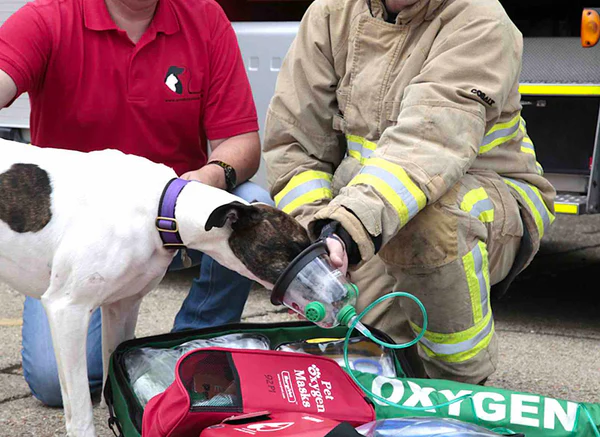


Ever wondered what that beeping sound is coming from your wall? That, my friend, is your trusty carbon monoxide detector, quietly working around the clock to keep you and your furry companion safe. Many pet parents don’t think twice about it until it goes off, but that little device could be the difference between life and a dangerous emergency, especially when it comes to Carbon Monoxide Poisoning in Dogs.
So, what exactly is carbon monoxide, and why is it such a threat? Carbon monoxide—often called the “silent killer”—is a colorless, odorless, and tasteless gas produced when fuels like wood, gas, or charcoal don’t burn completely. Because it can’t be seen or smelled, people and pets can breathe it in without even realizing it. That’s where the real danger lies, and why learning about Carbon Monoxide Poisoning in Dogs is so important.
For dogs, Carbon Monoxide Poisoning in Dogs can happen quickly. Their smaller size and faster metabolism often make them more vulnerable than humans. Symptoms can include weakness, confusion, breathing difficulties, or even sudden collapse if exposure is high enough. And since our four-legged friends can’t tell us when something feels wrong, it’s up to us to stay alert to the warning signs of Carbon Monoxide Poisoning in Dogs.
Buckle up, pup parents, because we’re about to dive deeper into the doggone world of Carbon Monoxide Poisoning in Dogs—and most importantly, how to prevent it.
The Sneaky Culprit: What is Carbon Monoxide?
Imagine a villain so sneaky it has no color or smell. That’s carbon monoxide for you! This gas is a real-life foe, and it can be tough to detect without a trusty carbon monoxide detector. It comes from burning fuels like gasoline, propane, and natural gas, and can build up in enclosed spaces like garages or homes with faulty appliances.
How Does Carbon Monoxide Hurt My Dog?
Carbon monoxide is bad news because it loves to hitch a ride on red blood cells, the very same cells that are supposed to be carrying oxygen throughout the body. Think of red blood cells as tiny delivery trucks whose only job is to transport oxygen to every organ and tissue that needs it to function properly. When carbon monoxide enters the picture, it acts like an unwanted hitchhiker, sneaking onto those trucks and forcing oxygen to step aside.
The problem is, carbon monoxide binds to hemoglobin—the oxygen-carrying protein in red blood cells—much more strongly than oxygen ever could. Once it takes over, oxygen can’t get where it needs to go, and the body starts to suffocate on a cellular level even though the lungs are full of air. This is why Carbon Monoxide Poisoning in Dogs is a serious and urgent health threat that every pet owner should understand.
For your dog, the risk is especially dangerous. Dogs breathe faster than humans, which means they can take in toxic levels of carbon monoxide more quickly. The first signs of Carbon Monoxide Poisoning in Dogs might seem subtle: your pup may appear unusually tired, weak, or unsteady on their feet. As the condition worsens, Carbon Monoxide Poisoning in Dogs can lead to dizziness, confusion, rapid breathing, or even gasping for air. Without quick intervention, Carbon Monoxide Poisoning in Dogs can become life-threatening, turning a silent household hazard into a true emergency.
Woof Woof! Warning Signs of Carbon Monoxide Poisoning
Here’s the thing: dogs can’t exactly tell you they’re feeling under the weather. So, it’s important to be a super observant pup parent and watch out for these signs:
- Cherry Red Gums: Normally, your dog’s gums should be a healthy pink. But if they’ve been exposed to carbon monoxide, their gums might turn a bright red color.
- Weakness and Lethargy: Is your usually energetic pup suddenly dragging their paws? Lethargy and weakness are common signs of carbon monoxide poisoning.
- Vomiting and Nausea: Feeling queasy? Your dog might too if they’ve been exposed to carbon monoxide.
- Difficulty Breathing: This is a serious sign that requires immediate attention. If your dog is struggling to catch their breath, get them to fresh air right away!
Acting Fast: What to Do if You Think Your Dog Has Carbon Monoxide Poisoning
If you suspect your dog has been poisoned by carbon monoxide, don’t delay! Here’s what to do:
- Get Fresh Air Fast: The most important step is to remove your dog from the area with carbon monoxide. Carry them outside if you can, and open doors and windows to let fresh air in.
- Call the Vet Immediately: Every second counts when it comes to carbon monoxide poisoning. Call your veterinarian right away and let them know you suspect carbon monoxide poisoning.
- Stay Calm and Carry On: It’s a scary situation, but try to stay calm. Your veterinarian will be able to give you specific instructions and provide the best care for your dog.
Preventing Carbon Monoxide Poisoning: An Ounce of Prevention…
Now that you know the dangers of carbon monoxide, let’s talk about how to keep your furry friend safe. Here are some tips:
- Be a Detector Dog: Install carbon monoxide detectors in your home, especially near sleeping areas. Test them regularly to make sure they’re working properly.
- Garage Get-Togethers? Not Today: Keep your dog out of garages with running cars. Carbon monoxide fumes can easily build up in enclosed spaces.
- Appliance Alert: Have your appliances serviced regularly to ensure they’re functioning properly and not leaking carbon monoxide.
- Vent Attention: Make sure vents for dryers, furnaces, and other gas-powered appliances are clear and functioning correctly.
By following these tips, you can help keep your dog safe from the dangers of carbon monoxide poisoning. Remember, prevention is key!