

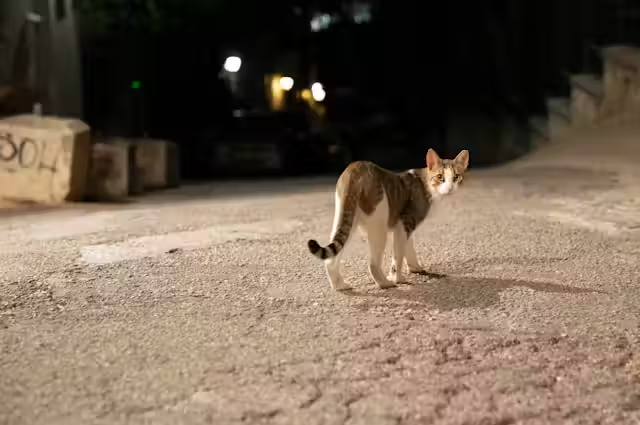

Cats are enigmatic creatures, often leaving their human companions wondering how far do cats roam during their solo adventures. With their stealthy movements, keen senses, and independent spirit, felines have a natural curiosity that drives them to explore beyond the familiar walls of home. For outdoor cats, this might mean roaming several blocks away, navigating fences, gardens, and rooftops with grace and ease. Even indoor cats often find ways to embark on miniature expeditions, investigating every nook and cranny of the house. Many pet owners find themselves asking, how far do cats roam even when they seem to be lounging indoors most of the day.
What motivates these journeys? Cats are territorial animals, and part of their roaming behavior includes patrolling their “domain.” They may also be in search of prey, new sights, or simply an escape from boredom. Some studies suggest cats can roam up to a mile or more from their homes, prompting researchers to explore the question: how far do cats roam, really? Their range often depends on personality, environment, and whether they are spayed or neutered.
Despite their solitary nature, cats often maintain a mental map of their surroundings, allowing them to return home with remarkable accuracy. GPS trackers and camera collars have revealed just how complex and active their secret lives can be. These devices provide direct insight into how far do cats roam, uncovering paths and patterns that would otherwise remain a mystery. Understanding their roaming habits helps us appreciate their instincts and ensures we can keep them safe while satisfying their need for exploration. Next time your feline friend slips out the door, you might find yourself wondering once again, how far do cats roam?
The Call of the Wild: Why Do Cats Roam?
Understanding the Instincts Behind the Wandering
Cats are natural hunters, driven by their instincts to explore and hunt. This primal urge pushes them to venture beyond the comfort of their homes. Whether it’s chasing after prey or simply satisfying their curiosity, cats love the thrill of discovery. Their roaming habits are a blend of their innate behaviors and their need to establish territory.
Territory Matters: How Far Do They Go?
Mapping the Feline Territory
A cat’s roaming range can vary significantly depending on several factors. On average, a house cat might roam within a radius of 40 to 200 meters from home. However, some adventurous felines can venture much further, covering a distance of up to 5 kilometers. Factors like the cat’s personality, the environment, and the availability of food and shelter influence how far they travel.
Nighttime Adventures: The Cover of Darkness
Why Cats Prefer the Night for Roaming
Cats are crepuscular creatures, meaning they are most active during dawn and dusk. The cover of darkness offers them a sense of security and the advantage of stealth. Nighttime also brings out more prey, making it an ideal time for hunting. This nocturnal activity often leads to longer and more frequent roaming sessions.
The Urban Explorer: City Cats vs. Country Cats
How Environment Influences Roaming Habits
Urban cats tend to have smaller territories compared to their rural counterparts. The density of buildings, roads, and human activity limits their range. Conversely, country cats enjoy vast open spaces, allowing them to roam freely and establish larger territories. Each environment poses different challenges and opportunities, shaping the cat’s roaming behavior.
Technological Insights: Tracking the Modern Cat
Using GPS and Technology to Monitor Feline Movements
Advancements in technology have made it easier to track and study the roaming patterns of cats. GPS collars and tracking devices provide valuable insights into their daily journeys. These tools help pet owners understand their cats’ habits, ensuring their safety and well-being. The data collected from these devices also aids in research, shedding light on the behavior of feral and domestic cats alike.
The Dangers of Roaming: Risks and Precautions
Keeping Our Feline Friends Safe
While roaming satisfies a cat’s adventurous spirit, it also exposes them to various dangers. Traffic, predators, and territorial disputes with other animals pose significant risks. Pet owners can take several precautions to protect their cats, such as providing secure outdoor enclosures, using reflective collars, and ensuring their cats are microchipped. Regular veterinary check-ups also play a crucial role in maintaining their health.
Bringing It All Home: Understanding Your Cat’s Needs
Balancing Exploration and Safety
How far do cats roam is a question many pet owners ask when they notice their feline friends disappearing for hours. Understanding why and how far cats roam is crucial for pet owners who want to ensure their feline companions are both safe and content. Cats are naturally curious, territorial animals, and their roaming behavior is often driven by the instinct to hunt, explore, and patrol their environment.
Outdoor cats may travel anywhere from a few yards to several miles from home, depending on their personality, age, sex, and whether they are neutered or spayed. Male cats, in particular, tend to have larger territories than females, especially if they are unneutered. Pet owners often wonder, how far do cats roam, especially in unfamiliar or urban environments.
By understanding these behaviors, cat owners can take proactive steps to reduce the need for their pets to venture far from home. One effective approach is to create a safe and enriching environment that satisfies a cat’s physical and mental needs. Indoor play areas filled with climbing structures, scratching posts, and cozy hiding spots can mimic the variety found outdoors. Puzzle feeders and interactive toys also stimulate a cat’s hunting instincts and keep them mentally engaged.
Spending quality time playing with your cat strengthens the bond and provides much-needed exercise. Ultimately, when cats feel secure, stimulated, and well-cared for in their home environment, their desire to roam diminishes, leading to a healthier, safer life. But even then, it’s natural to ask, how far do cats roam, and whether keeping them indoors truly satisfies their instincts. The answer to how far do cats roam can guide you in creating the best environment for your pet.
Conclusion: Embracing the Roaming Nature of Cats
Celebrating the Independence of Our Feline Companions
Cats will always have an element of mystery to them, and their roaming habits are a testament to their independent nature. By understanding and respecting their need to explore, we can ensure their happiness and safety. After all, a happy cat is one that feels free to indulge in its natural behaviors while being protected and loved by its human family.