


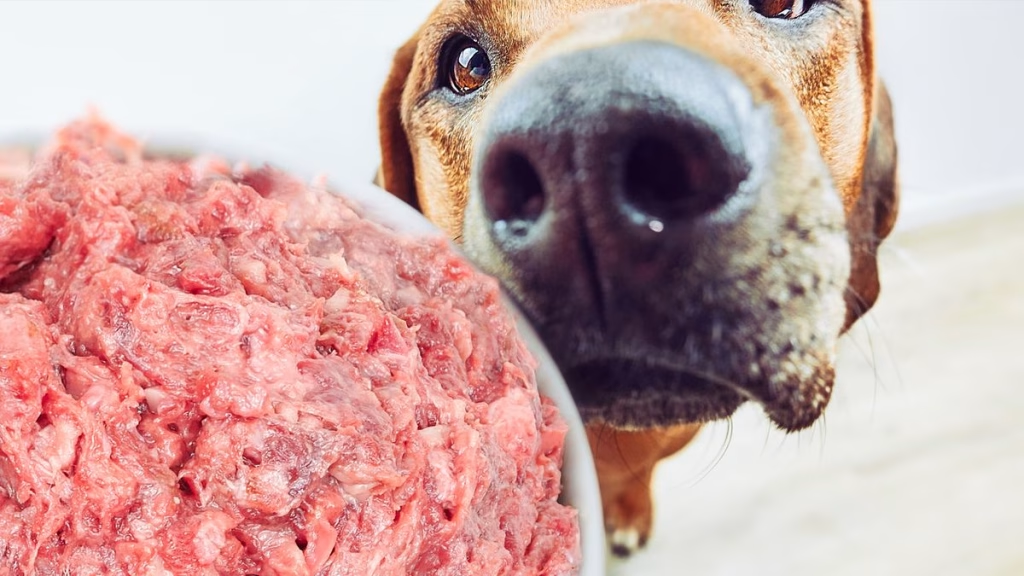


When it comes to feeding our furry companions, one question comes up time and time again: What is the best meat for dogs? With so many protein options available—ranging from traditional chicken and beef to more exotic choices like venison or rabbit—it can feel overwhelming to decide which is healthiest and safest for your pup.
Dogs are primarily carnivores with omnivorous tendencies, meaning their bodies thrive on high-quality animal proteins but can also digest some plant-based foods. Protein is the cornerstone of a dog’s diet—it fuels muscle development, supports immune health, and keeps energy levels strong. But not all meats are created equal. Understanding the nutritional benefits, risks, and best ways to prepare each type of meat helps you make the best choice for your dog’s long-term health.
In this guide, we’ll break down the best meat for dogs, highlight their nutritional values, and share tips for incorporating them into your pup’s meals.
Why Meat Matters in a Dog’s Diet
Protein is essential for every dog. The amino acids found in meat are building blocks that support:
-
Muscle repair and growth
-
Immune system strength
-
Healthy skin and shiny coats
-
Production of hormones and enzymes
While commercial dog foods often contain protein, not all use high-quality meats. Some rely heavily on by-products or fillers. Feeding your dog fresh, lean, and balanced meats can significantly improve their health and vitality.


The Best Meat for Dogs: Top Choices
Let’s explore the top meat options, their benefits, and any precautions to keep in mind.
1. Chicken – Affordable and Easy to Digest
Chicken is one of the most common meats in dog food. It’s lean, rich in essential amino acids, and easy for most dogs to digest.
-
Benefits: High in protein, low in fat (especially skinless), and contains omega-6 fatty acids for healthy skin.
-
Best For: Dogs with sensitive stomachs or those needing weight management.
-
Caution: Always cook thoroughly to avoid salmonella, and remove bones as they can splinter.
2. Beef – Protein-Rich and Nutrient-Dense
Beef is packed with protein, iron, zinc, and B vitamins. Many dogs love its rich taste.
-
Benefits: Builds strong muscles, boosts energy, and supports red blood cell production.
-
Best For: Active or working dogs needing high-energy diets.
-
Caution: Choose lean cuts to avoid excess fat, which can cause obesity or pancreatitis.
3. Turkey – A Lean, Hypoallergenic Option
Turkey is leaner than chicken and less likely to trigger food sensitivities.
-
Benefits: Low in fat, rich in protein, and a good source of phosphorus.
-
Best For: Dogs on low-fat diets or those prone to allergies.
-
Caution: Avoid processed turkey meats like deli slices or sausages, which contain preservatives and salt.
4. Lamb – Great for Dogs with Food Sensitivities
Lamb is less common in traditional diets, making it a good alternative protein for sensitive dogs.
-
Benefits: Rich in iron, zinc, and B vitamins. Helps maintain healthy energy and immune systems.
-
Best For: Dogs with allergies to chicken or beef.
-
Caution: Higher in fat, so portion control is key for overweight dogs.
5. Fish (Salmon, Sardines, Mackerel) – Omega-3 Powerhouse
Fish provides lean protein along with omega-3 fatty acids, which support joint, skin, and heart health.
-
Benefits: Promotes a shiny coat, reduces inflammation, supports brain development.
-
Best For: Senior dogs with joint issues or puppies needing brain development support.
-
Caution: Only feed cooked, deboned fish. Avoid raw salmon, which may carry parasites.
6. Duck – Flavorful and Highly Nutritious
Duck is less common but highly nutritious, offering iron, zinc, and B vitamins.
-
Benefits: Great for picky eaters, supports muscle development, and boosts immunity.
-
Best For: Dogs with poultry sensitivities to chicken or turkey.
-
Caution: Duck can be fatty, so it should be fed in moderation.
7. Venison – Lean and High in Iron
Venison is a lean red meat that’s lower in fat than beef but equally protein-rich.
-
Benefits: Excellent for maintaining lean muscle mass and providing iron.
-
Best For: Overweight dogs or those with food allergies.
-
Caution: Ensure venison is well-cooked and free from bones.
8. Rabbit – Gentle on the Digestive System
Rabbit is a lean, easily digestible meat that’s considered hypoallergenic.
-
Benefits: Low in fat, high in protein, and packed with vitamins like B12.
-
Best For: Dogs with severe food sensitivities or on elimination diets.
-
Caution: Harder to source and more expensive than common meats.
Raw vs. Cooked Meat: Which Is Better?
This is a hot debate among pet owners.
-
Raw Meat Diets (BARF – Biologically Appropriate Raw Food): Advocates say raw meat mimics a dog’s ancestral diet and provides more nutrients. However, risks include bacteria (salmonella, E. coli) and parasites that can harm both dogs and humans.
-
Cooked Meat: Cooking kills harmful pathogens, making it safer. Light cooking (like boiling or baking without seasoning) preserves nutrients while reducing risks.
The safest approach is lightly cooked, unseasoned meat unless your vet recommends a raw diet under close supervision.
How Much Meat Should Dogs Eat?
The right portion depends on your dog’s:
-
Size and breed
-
Age (puppies need more protein than seniors)
-
Activity level (active dogs require more calories)
-
Health conditions
As a rule of thumb, meat should make up 40–70% of a balanced diet, paired with vegetables, grains, or supplements for complete nutrition. Always consult your vet for personalized guidance.
Meats to Avoid for Dogs
Not all meats are safe. Steer clear of:
-
Raw pork: Risk of parasites and trichinosis.
-
Processed meats (ham, bacon, sausages): High in salt, fat, and preservatives.
-
Seasoned or spicy meats: Garlic, onions, and excessive salt are toxic to dogs.
-
Bones from cooked meat: They can splinter and cause choking or internal injuries.
Tips for Feeding Meat Safely
-
Cook meat plain—no seasoning, oils, or sauces.
-
Remove all bones before serving.
-
Serve in small, bite-sized portions.
-
Rotate meat types for balanced nutrition.
-
Store leftovers in airtight containers to prevent spoilage.
Final Thoughts on the Best Meat for Dogs
Choosing the best meat for dogs comes down to understanding your pup’s health needs, sensitivities, and lifestyle. Chicken, beef, and turkey are reliable staples, while fish, lamb, venison, and rabbit provide excellent alternatives for variety and allergy-friendly diets.
By serving lean, well-prepared meats and avoiding processed or unsafe options, you’ll help your dog thrive with better energy, stronger muscles, and a shinier coat. Remember, moderation and balance are key—combine meats with other nutrient sources, and always check with your veterinarian before making major dietary changes.