


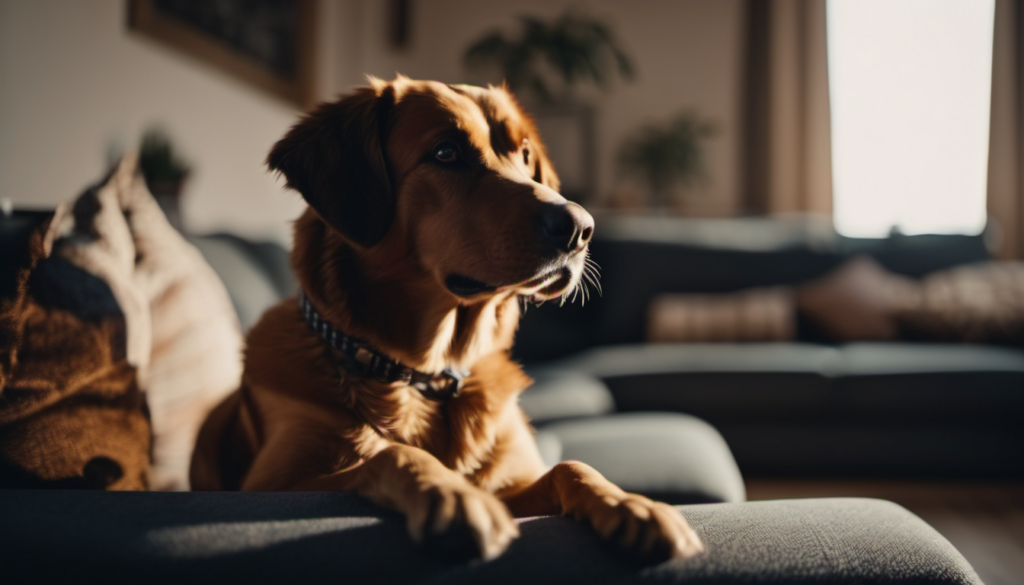


Many dog owners struggle with leaving their pets home alone. Training your dog to be alone is an essential life skill that benefits both you and your furry companion. This comprehensive guide will help you understand why dogs struggle with solitude and provide practical, step-by-step techniques to help your dog develop independence while minimizing separation anxiety.
Understanding Why Dogs Need Training to Be Alone
Dogs are naturally social animals that have evolved to live in packs. This inherent social nature means that many dogs find it difficult to cope with solitude. Understanding the root causes of this discomfort is the first step toward effective training.


The Pandemic Effect on Dogs’ Independence
The COVID-19 pandemic created a unique situation for many pets. With families spending unprecedented amounts of time at home, dogs became accustomed to constant companionship. This is particularly true for “pandemic puppies” who never experienced regular alone time during their critical developmental periods.
Research from the American Veterinary Medical Association indicates that cases of separation anxiety increased significantly as pet owners began returning to work and normal activities outside the home.
Natural Pack Behavior vs. Modern Living
In their natural environment, dogs rarely spend time completely alone. Even in wild canid species, total isolation is uncommon. This natural preference for companionship can clash with our modern human lifestyles, where we often need to leave our dogs alone for work, errands, and social engagements.
Signs Your Dog Is Uncomfortable Being Alone
Before implementing a training plan, it’s important to recognize the signs that your dog is struggling with alone time. These can range from mild discomfort to severe separation anxiety.
Common Indicators of Discomfort:
- Excessive vocalization – Barking, whining, or howling when left alone
- Destructive behavior – Chewing furniture, scratching doors, or destroying household items
- Inappropriate elimination – House-trained dogs having accidents when left alone
- Escape attempts – Trying to break out of crates, rooms, or even the house
- Self-harm – Excessive licking or chewing that causes injury
- Pacing or restlessness – Inability to settle down when alone
Separation Anxiety vs. Normal Adjustment
It’s important to distinguish between normal adjustment issues and true separation anxiety in dogs. The table below outlines key differences:


| Behavior | Normal Adjustment | Separation Anxiety |
|---|---|---|
| Timing of symptoms | Occurs briefly after departure | Begins before owner leaves and continues throughout absence |
| Intensity | Mild to moderate distress | Severe distress, often with physiological symptoms (drooling, panting) |
| Duration | Improves with consistent training | Requires specialized training, sometimes medication |
| Trigger specificity | May occur with any change in routine | Specifically triggered by separation from attachment figure |
| Response to enrichment | Often improved with toys, puzzles | Typically ignores enrichment when anxious |
If your dog shows signs of severe separation anxiety, consider consulting with a certified animal behaviorist or veterinarian who specializes in behavior issues before proceeding with at-home training.
Setting Realistic Expectations for Training
Training your dog to be comfortable alone is not an overnight process. It requires patience, consistency, and an understanding of your individual dog’s needs and temperament.
Timeline Considerations
- Puppies (8-16 weeks): Generally adapt more quickly, but need very gradual introductions to alone time
- Adolescent dogs (6-18 months): May regress during developmental stages
- Adult dogs with no prior issues: Typically adjust within 2-4 weeks of consistent training
- Dogs with established separation anxiety: May require months of dedicated training


Step-by-Step Training Dog to Be Alone Plan
The following comprehensive training plan can be adapted for dogs of any age. Remember that consistency is key, and rushing the process often leads to setbacks.
Phase 1: Building a Foundation of Independence
Before you can expect your dog to be comfortable alone for hours, you must first teach them to be okay with brief moments of separation, even while you’re in the same house.

Exercise 1: Creating Distance While Present
- Begin by moving a short distance away from your dog while staying in the same room
- Reward calm behavior with treats or quiet praise
- Gradually increase the distance until you can briefly leave the room
- Return before your dog shows signs of distress
- Practice multiple short sessions daily (5-10 minutes each)
Exercise 2: Independence Training Games
- Teach a “place” or “go to bed” command where your dog stays on their bed
- Gradually increase duration, beginning with just a few seconds
- Introduce distractions while they maintain their place
- Reward calm, settled behavior rather than attention-seeking
Pro Tip: Use a special long-lasting treat like a stuffed Kong toy that your dog only receives during independence training.
Phase 2: Departure Training for Limited Periods
Once your dog can handle brief separations while you’re home, it’s time to practice actual departures.


Exercise 1: Practice Pre-Departure Cues
Dogs quickly learn to associate certain actions (picking up keys, putting on shoes) with your departure. Practice these cues without actually leaving to reduce their predictive power:
- Pick up your keys, then sit on the couch
- Put on your coat, then prepare dinner
- Open and close the door without leaving
- Repeat these exercises multiple times daily until your dog shows minimal reaction
Exercise 2: Brief Absences
- Set up a safe, comfortable space for your dog (crate, dog-proofed room, etc.)
- Provide an engaging enrichment activity
- Leave without fanfare for just 1-2 minutes initially
- Return calmly, avoiding excited greetings
- Gradually increase duration as your dog shows comfort
Phase 3: Extending Duration of Alone Time
As your dog builds tolerance for being alone, you can begin extending the duration more significantly.
Exercise 1: Gradual Duration Building
- Start with the maximum time your dog can currently handle comfortably
- Increase duration by 5-10 minutes each successful session
- Practice variable durations (sometimes shorter, sometimes longer)
- Always return while your dog is still calm
Exercise 2: Creating a Routine
Dogs thrive on predictability. Establish a consistent routine for absences:
- Morning exercise before departure
- Consistent departure procedure
- Regular return times when possible
- Structured evening activities after reunion

Crate Training as a Tool for Alone Time
When used properly, crate training can be an effective component of teaching your dog to be comfortable alone. A crate provides a safe, den-like space that can help dogs feel secure.
Benefits of Proper Crate Training:
- Prevents destructive behavior and accidents in the home
- Creates a consistent “safe space” for your dog
- Can reduce anxiety by limiting overwhelming stimuli
- Useful for travel and veterinary stays
Getting Started with Crate Training:
- Choose an appropriately sized crate (large enough to stand, turn around, and lie down)
- Make the crate inviting with comfortable bedding and toys
- Introduce the crate gradually using positive associations
- Feed meals in the crate to build positive associations
- Begin with door open, then progress to brief closed-door sessions
- Never use the crate as punishment
For detailed guidance on crate training, the Humane Society offers comprehensive resources.
Important Crate Training Limitations:
- Maximum time limits: Adult dogs should not be crated for more than 6-8 hours
- Puppies: Can only hold bladders for approximately their age in months plus one hour
- Exercise needs: Always provide adequate exercise before crating
- Alternatives: Consider dog-proofed rooms or playpens for longer absences
Training Dog to Be Alone: Creating the Optimal Environment
The environment you create for your dog while you’re away significantly impacts their comfort level and behavior.


Physical Setup Considerations:
- Temperature control: Ensure the space is neither too hot nor too cold
- Access to water: Always provide fresh water
- Elimination options: For puppies or dogs left alone for extended periods
- Safety: Remove dangerous items, secure trash cans, eliminate escape routes
- Comfort: Provide comfortable resting areas with familiar bedding
Environmental Enrichment Ideas:
- Interactive toys: Puzzle feeders, treat-dispensing toys
- Sensory enrichment:
- Visual: Window views (if not anxiety-inducing)
- Auditory: Classical music or audiobooks specifically designed for dogs
- Olfactory: Safe scent enrichment like lavender or chamomile
- Rotating toys: Keep a selection of toys that only appear when you’re away

Background Noise Considerations
Many dogs benefit from some background noise when left alone. According to a study published in the Journal of Veterinary Behavior, certain types of audio can help reduce stress in dogs:
- Classical music: Particularly pieces with slower tempos
- Audiobooks: Calm, steady narration
- White noise: Can mask potentially startling outside sounds
- Dog-specific content: Programs designed specifically for canine enrichment
Managing Separation Anxiety in Dogs
For dogs experiencing true separation anxiety, the basic training outlined above may need to be supplemented with additional interventions.
When to Seek Professional Help:
- Extreme panic responses when left alone
- Self-injury attempts
- No improvement after 2-3 weeks of consistent training
- Physical symptoms like drooling, panting, or trembling when alone
Professional Intervention Options:
- Veterinary behaviorists: Can diagnose underlying conditions and prescribe medication if needed
- Certified dog trainers: Specializing in separation anxiety
- Remote training programs: Many specialists now offer virtual consultations
Complementary Approaches:
- Calming aids: Thunder shirts, calming collars, or pheromone diffusers
- Supplements: Vet-approved calming supplements (always consult your veterinarian)
- Environmental management: Doggy daycare, pet sitters, or dog walkers as interim solutions

Breed-Specific Considerations for Alone Training
Different dog breeds may have varying predispositions to separation issues. While individual temperament always takes precedence over breed tendencies, understanding these general patterns can help tailor your approach.


Breeds That Typically Adjust Well to Alone Time:
- Basset Hounds
- Bulldogs
- Chow Chows
- Greyhounds
- Most terrier breeds
Breeds That Often Struggle More With Separation:
- Border Collies
- German Shepherds
- Labrador Retrievers
- Vizslas
- Bichon Frises
Working With Your Dog’s Natural Tendencies:
- High-energy breeds: Require more exercise before being left alone
- Guardian breeds: May benefit from a designated “job” while alone
- Highly social breeds: Often need more gradual training and enrichment
- Independent breeds: Still require proper training but may adapt more quickly
Technology Solutions for Monitoring and Engaging Home-Alone Dogs
Modern technology offers numerous tools to help monitor, entertain, and even treat your dog while you’re away.
Monitoring Options:
- Pet cameras: Allow real-time viewing of your dog’s behavior
- Two-way audio: Some cameras allow you to speak to your dog remotely
- Activity monitors: Track movement patterns to detect anxiety or issues
- Smart feeders: Dispense food on a schedule or remotely
Interactive Technology:
- Remote treat dispensers: Allow you to reward calm behavior from afar
- Interactive video games: Some systems offer games dogs can play alone
- Automated toy launchers: For high-energy dogs who enjoy fetch
When using technology, remember that it supplements rather than replaces proper training. The goal should be to help your dog be comfortable truly alone, not just when they hear your voice through a speaker.
Common Mistakes When Training Dog to Be Alone
Even well-intentioned owners often make mistakes that can undermine alone-time training efforts.

Training Pitfalls:
- Rushing the process: Moving too quickly can create or worsen anxiety
- Inconsistent training: Weekend marathons followed by weekday absences
- Emotional departures/returns: Creating drama around comings and goings
- Punishment for anxiety behaviors: Never punish fear-based behaviors
- Forcing crate acceptance: Creating negative associations with confinement
Better Alternatives:
- Patience: Invest time upfront for long-term success
- Consistency: Short, regular training sessions
- Matter-of-fact departures: Calm, predictable routines
- Positive reinforcement: Reward calm, independent behavior
- Gradual introduction: Make all training tools positive and voluntary
Key Life Stages in Training Dog to Be Alone
Dogs’ needs and abilities change throughout their lives, requiring adaptations to alone-time training.


Puppies (8-16 weeks):
- Cannot physically hold bladder/bowels for extended periods
- Need frequent socialization and interaction
- Are in critical developmental periods for learning
- May require puppy-specific containment options
Training approach: Focus on very short separations, using exercise pens or puppy-proofed areas rather than extended crating.
Adolescent Dogs (6-18 months):
- May test boundaries and regress in training
- Have high energy and exercise needs
- Are still developing impulse control
- May become destructive if bored
Training approach: Maintain consistency, increase physical and mental exercise, and prevent opportunities for destructive behavior.
Senior Dogs:
- May develop age-related anxiety
- Could have physical limitations affecting comfort
- Might require more frequent elimination opportunities
- Often benefit from familiar routines
Training approach: Ensure physical comfort, consider mobility limitations in space setup, and maintain predictable routines.
Creating a Customized Plan for Training Dog to Be Alone
Every dog is unique, and the most successful training plans recognize and accommodate individual differences.


Assessment Questions:
- What is your dog’s current threshold for comfort when alone? (Seconds, minutes, hours?)
- What specific behaviors indicate distress in your dog?
- What environmental factors seem to help or hinder your dog’s comfort?
- What is your realistic schedule for implementing training?
- What resources (time, space, support) do you have available?
Customization Factors:
- Temperament: Confident vs. timid dogs need different approaches
- History: Previously abandoned dogs may need more reassurance
- Living situation: Apartment vs. house considerations
- Household routine: Work schedules, other pets, family members
Sample Training Schedule for Working Owners:
| Timeframe | Weekday Activities | Weekend Intensive Training |
|---|---|---|
| Week 1-2 | Morning independence exercises (5-10 min)
Evening practice departures (1-3 min) |
Multiple training sessions
Building duration systematically Environmental setup optimization |
| Week 3-4 | Brief morning absences (5-15 min)
Midday pet sitter/walker Evening independence building |
Longer practice absences (30-60 min)
Monitoring behavior Adjusting environment as needed |
| Week 5-6 | Extended morning absences (30-60 min)
Midday relief Gradual extension of alone time |
Shopping trips or outings of increasing duration
Varying departure times Reduced midday visits |
| Week 7-8 | Working toward half-day absences
Monitoring for regression Adjusting as needed |
Full simulation of normal workweek schedule
Final adjustments to environment Establishing maintenance plan |

Maintaining Progress Long-Term
Once your dog has developed comfort with being alone, maintaining that progress requires ongoing attention.


Maintenance Strategies:
- Regular practice: Continue occasional alone time even on days you’re home
- Prevent regression: After vacations or extended time together, gradually reintroduce alone time
- Monitor for changes: Life changes, moves, or new household members may temporarily affect comfort
- Adjust for age: As your dog ages, their needs and abilities may change
Troubleshooting Regression:
If your dog begins showing signs of discomfort after previously doing well alone:
- Rule out medical issues: Sudden changes in behavior warrant a veterinary check
- Identify triggers: Has something in the environment or routine changed?
- Return to basics: Temporarily decrease duration and rebuild gradually
- Reevaluate needs: Has your dog’s exercise or enrichment routine become insufficient?
When to Consider Alternatives to Being Home Alone
For some dogs and situations, extensive alone time may not be the best solution regardless of training.

Alternative Options to Consider:
- Dog walkers: Provide midday breaks and exercise
- Pet sitters: Offer in-home supervision and companionship
- Doggy daycare: Provides socialization and supervision for social dogs
- Working from home: Even partial remote work can reduce alone time
- Dog-friendly workplaces: Some companies allow well-behaved dogs
Cost-Benefit Analysis:
When evaluating alternatives, consider:
- Financial cost: Services have expenses but may prevent property damage or stress
- Time investment: Training requires significant time commitment upfront
- Dog’s temperament: Some dogs thrive with socialization, others prefer quiet
- Lifestyle match: Choose solutions that complement your long-term lifestyle
Featured Snippet: Training Dog to Be Alone – Time Guidelines
How long can you leave a dog alone at home when training? The maximum time a dog should be left alone depends on age, training progress, and individual needs. When training dog to be alone, start with just 5-10 minutes for puppies and gradually build up. Generally, adult dogs can handle 4-6 hours comfortably with proper training, while puppies under 6 months should not be left alone for more than 1-3 hours. Seniors may also need more frequent breaks. Always provide adequate exercise before alone time, ensure access to fresh water, and create a safe, comfortable environment with appropriate enrichment.


Conclusion: Success in Training Dog to Be Alone
Training your dog to be comfortable alone is one of the most valuable skills you can teach them in our modern world. By following the step-by-step approach outlined in this guide, you can help your dog develop the confidence to remain calm and content when home alone.


Remember that the process requires patience and consistency, but the rewards—a dog who can relax when alone and an owner who can leave without guilt or worry—are well worth the effort. The bond you build through thoughtful, positive training will strengthen your relationship while giving your dog the gift of emotional resilience.
Have you been successful in training your dog to be alone? What techniques worked best for your situation? Share your experiences and questions in the comments below to help other pet parents on their journey to training dog to be alone.