

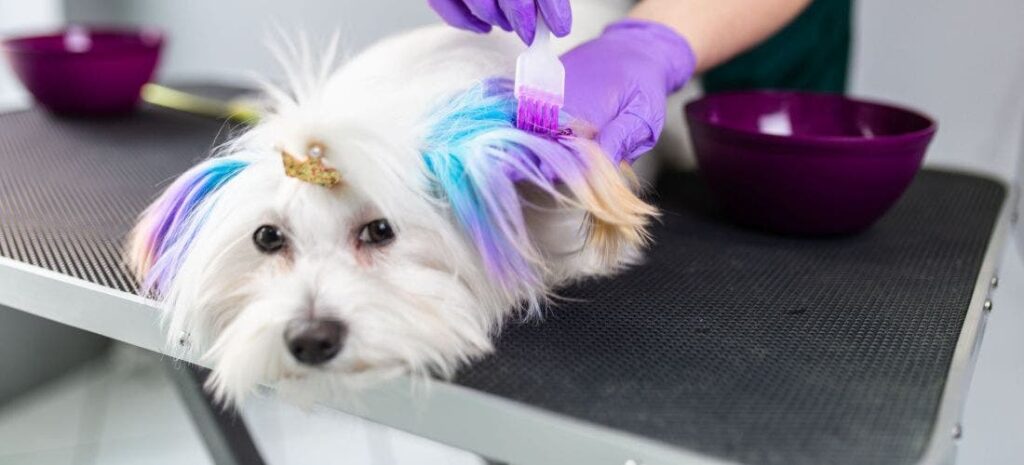


Ever looked at your dog and thought, “You’d look fabulous with pink ears”? Or maybe you’ve seen colorful dogs on Instagram and wondered how safe it is to dye your pet’s fur. The good news is: with the right products and precautions, safe pet dyes exist and can be a fun, non-toxic way to express your pup’s personality.
But before you go all-in on a rainbow makeover, there are crucial things every pet parent must know. This guide will walk you through the do’s, don’ts, and safety essentials of dog dyeing—because grooming should be fun and safe.
Why Dye Your Dog in the First Place?
People dye their dogs for all sorts of fun and creative reasons, and it’s not just about looks—it can also be a form of bonding and joyful expression:
- Celebrations – From birthdays and holidays to themed parades like Halloween or Christmas, adding a splash of color can make your pup stand out and spread cheer.
- Pet fashion shows – In the world of stylish pets, a little dye can go a long way in creating show-stopping looks that turn heads on the runway.
- Creative grooming competitions – These events push the limits of artistic grooming, and pet-safe dyes help bring imaginative designs to life in a safe, colorful way.
- Awareness campaigns – Some pet parents use safe dyes to support causes, like coloring their dog pink for Breast Cancer Awareness Month or rainbow hues for Pride events.
- Photo ops and social media – A vibrantly dyed dog makes for adorable, scroll-stopping content that’s perfect for Instagram, TikTok, or family photo albums.
- Just for fun – Sometimes, it’s simply a way for owners to enjoy a playful transformation, expressing their personality through their pet.
When done safely, pet dyeing can be a harmless, creative activity that adds color—literally and figuratively—to your life with your furry best friend. Just remember: your dog’s health and comfort should always come first.


Is Dyeing Safe for Dogs?
The answer is: yes—with the right products and care.
Not all dyes are safe. Human hair dye is a big no-no for pets. These dyes often contain harsh chemicals like ammonia, peroxide, or para-phenylenediamine (PPD) that can cause severe allergic reactions, burns, or even poisoning.
Safe pet dyes are specifically formulated to be non-toxic, gentle on the skin, and free from harmful ingredients.
Types of Safe Pet Dyes
Here are the main types of pet-friendly dyes:
1. Vegetable-Based Dyes
These are the safest option. They’re made from natural, non-toxic ingredients and are often temporary or semi-permanent. Brands like OPAWZ and PetPaint offer USDA-certified organic or plant-based dye lines.
2. Food-Grade Dyes
You can use food coloring (as long as it’s pet-safe and unsweetened). While it won’t be as vibrant or long-lasting, it’s an easy, budget-friendly choice for DIY projects.
3. Chalks and Sprays
These offer quick, washable color without committing to a long-lasting change. Perfect for short-term events or photoshoots. Just make sure they’re labeled as safe for pets.
4. Professional Grooming Dyes
Used in salons by licensed groomers. These are specially formulated for dogs and require experience to apply correctly. Always ensure your groomer uses pet-safe products.
DIY Dyeing Safety Guide
Do This:
1. Patch Test First
Before going all-in, test a small area of your dog’s fur to check for allergic reactions or irritation. Wait 24 hours.
2. Use Dog-Specific Products
Only buy products labeled safe for pets. Double-check that it’s non-toxic, lick-safe, and approved by veterinarians or groomers.
3. Avoid Sensitive Areas
Never apply dye near the eyes, mouth, genitals, or open wounds. Stick to outer fur like ears, tails, or back patches.
4. Protect the Skin
Use gloves when applying. Brush the fur first to remove mats and apply dye evenly to avoid staining the skin.
5. Rinse Thoroughly
Follow the product instructions carefully and rinse out any excess to prevent licking or skin irritation.
6. Monitor Behavior
After dyeing, keep an eye on your pup. If they scratch, lick excessively, or act distressed, wash the dye off immediately.
Don’t Do This:
-
Don’t use human hair dye or henna.
-
Don’t dye puppies under 6 months or dogs with skin conditions.
-
Don’t leave dye on for longer than recommended.
-
Don’t force dyeing if your dog is anxious, scared, or simply hates grooming.
-
Don’t use dye on double-coated or thick-furred dogs without proper knowledge—results may be uneven or patchy.
Signs of a Bad Reaction
If you notice any of these signs after dyeing, wash the product off right away and consult your vet:
-
Redness or swelling
-
Hair loss or bald patches
-
Excessive licking or scratching
-
Difficulty breathing
-
Lethargy or change in appetite
Even safe pet dyes can cause issues if your dog has allergies or underlying health conditions, so always consult your vet beforehand.
Best Practices for a Colorful Grooming Experience
-
Start with light colors (like pink or blue) for your first attempt.
-
Use a design stencil or freehand patterns for a creative look.
-
Keep dyeing sessions short and treat-filled.
-
Use color-safe dog shampoo to maintain the design longer.
-
Always ensure your dog feels comfortable and rewarded.


Ethical Considerations
While dyeing can be fun, remember that your dog isn’t a toy or accessory. Always prioritize their well-being and comfort. If your pup doesn’t enjoy grooming or gets anxious during baths, it might be best to skip the dye and just dress them up in pet-friendly costumes or accessories instead.
Recommended Pet-Safe Dye Brands
Here are a few trusted brands loved by dog groomers and pet parents:
-
OPAWZ: Offers permanent and temporary pet-safe colors.
-
PetPaint: Spray-on color, quick-drying and FDA-approved.
-
Crazy Liberty: Safe and colorful options for creative grooming.
-
Top Performance: Gentle color shampoos for mild effects.
Final Thoughts: A Pop of Color, Done Right
Dyeing your dog can be a safe, artistic, and adorable activity—as long as you follow the rules. By using safe pet dyes, avoiding harsh chemicals, and keeping your dog’s comfort first, you can turn your furry friend into a walking masterpiece.
Remember: a healthy, happy dog is always the best canvas.