
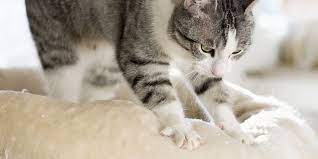

Have you ever watched your feline companion rhythmically pushing their paws against a soft surface? Whether it’s a cozy blanket, a plush pillow, or even your own lap, this behavior—known as Cat Kneading—is a familiar and often endearing sight for cat owners. But why do cats knead? This curious motion, where they alternately press their front paws in and out, goes beyond just being cute.
Cat Kneading originates in kittenhood, when nursing kittens knead their mother’s belly to stimulate milk flow. This early association with comfort, warmth, and nourishment often carries into adulthood. Even though adult cats no longer nurse, they continue Cat Kneading as a self-soothing behavior or to show affection. When your cat kneads on you, it’s often a sign they feel safe and bonded with you—consider it a feline compliment!
In addition to expressing contentment, some cats engage in Cat Kneading to mark territory. Their paws contain scent glands that release pheromones, subtly claiming the space—or person—as their own. It can also be a way of preparing a sleeping area, much like their wild ancestors would tamp down grass or foliage before resting. So the next time your cat starts Cat Kneading, enjoy the moment—it’s one of their many charming ways of showing love and comfort.
1. Instinctual Behavior
Cat kneading is instinctual and begins in kittenhood. When nursing, kittens knead their mother’s belly to stimulate milk flow. This alternating motion of their front paws becomes a comfort behavior that continues into adulthood. It’s theorized that adult cats knead as a way to express happiness or when encountering a soft object, like a blanket. Additionally, cats have scent glands in their paws, suggesting that kneading could be a way to mark territory with their scent.
2. Signs of Stress
While kneading is usually a sign of contentment, it can also indicate stress. If your cat suddenly kneads excessively, it might be a sign of anxiety or discomfort. Changes in your schedule or home environment can trigger this behavior. It’s essential to observe your cat’s overall behavior and consult your veterinarian if you’re concerned.
3. Instinctive, Not Learned
Contrary to popular belief, kittens don’t learn to knead from their mother. It’s an innate behavior. When kittens knead, they’re instinctively stimulating milk flow, not imitating their mother’s actions.
4. Normal Cat Behavior
A cat drooling while kneading is entirely normal. Drooling often accompanies contentment in cats. However, if your cat drools excessively without kneading, it could signal a medical issue and requires veterinary attention.
5. Wild Cats and Big Cats Knead Too
Even wild cats like lions and tigers knead. Domestic cats share a common ancestor with these wild cats, and the behavior persists in both. It’s a nesting behavior, suggesting cats are checking the surface for suitability and perhaps even fluffing it up for comfort.
Here are some additional insights into cat kneading:
- Why Cats Knead on Blankets: Cats may knead on blankets because the soft texture reminds them of their mother’s belly, providing a sense of comfort.
- Purring and Kneading: When a cat purrs and kneads simultaneously, it signifies contentment and satisfaction.
- How to Respond: If you enjoy your cat’s kneading, let them continue as long as it’s comfortable for you. If not, redirect them to a soft surface and consider using feline pheromone spray to encourage kneading there.
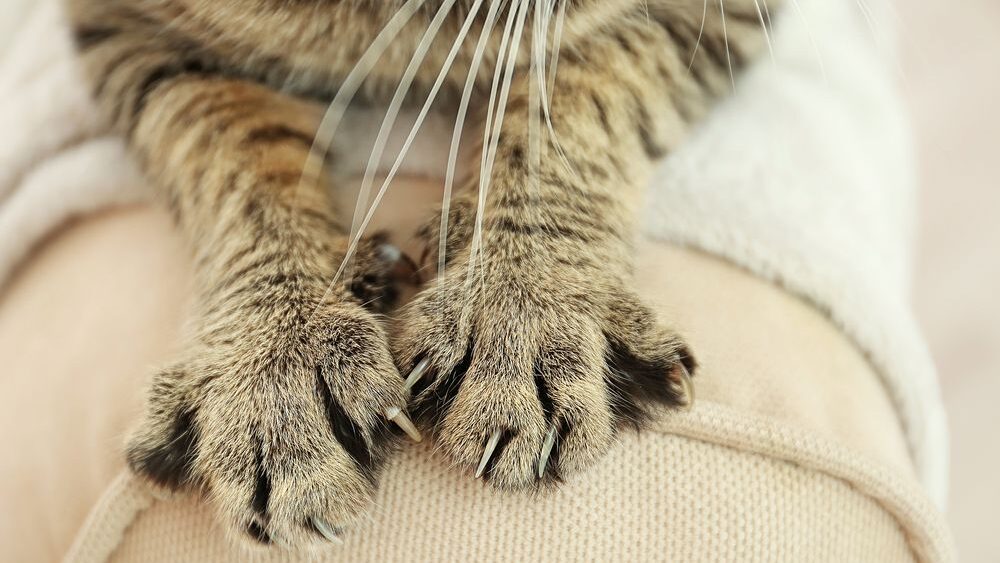
- Managing Sharp Claws: For owners concerned about sharp claws during kneading, regular nail trimming or using nail caps can help protect your skin.
- “Making Biscuits”: Cat kneading is sometimes referred to as “making biscuits” due to the similarity in motion to kneading dough.
Understanding Cat Kneading enhances your bond with your feline friend in meaningful ways. This rhythmic motion—where a cat pushes its paws in and out against a soft surface—is more than just an adorable quirk. Cat Kneading is a deeply rooted instinct that begins in kittenhood. Nursing kittens knead their mother’s belly to stimulate milk flow, creating a lasting association between kneading and comfort. As cats grow older, they continue this behavior when they’re feeling especially relaxed, content, or safe.
Cat Kneading can also be your cat’s way of marking territory. Cats have scent glands in their paws, so this action leaves their scent behind, signaling ownership. If your cat kneads you, take it as a compliment—it means they feel secure and connected to you. Some cats may even purr or drift off to sleep while kneading, reinforcing the idea that Cat Kneading is a self-soothing behavior.
By observing when and how your cat kneads, you gain insights into their emotional state. Are they anxious, playful, or deeply relaxed? Responding gently and respectfully to this behavior—by offering a soft blanket or avoiding sudden movements—can strengthen your relationship. Embracing Cat Kneading as a natural feline expression helps you better understand your cat’s needs and affection.