

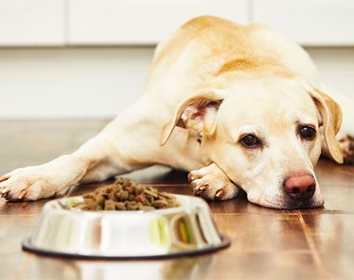

As a dog owner, you know your pup’s eating habits better than anyone. So when your normally food-loving dog suddenly ignores their bowl, it can be alarming. While a skipped meal here and there isn’t always cause for panic, a noticeable dog loss of appetite can sometimes signal a more serious issue.
In this guide, we’ll explore the common (and not-so-common) causes of appetite loss in dogs, how to identify warning signs, and what steps you should take to help your pup bounce back.
Is It Normal for Dogs to Skip Meals?
Dogs, like humans, can occasionally lose interest in food. Maybe it’s a hot day, a change in routine, or even a new food brand. A single missed meal usually isn’t a major concern. However, if your dog refuses food for more than 24 hours, or shows other symptoms, it’s time to pay attention.
Puppies, senior dogs, and dogs with existing health issues should never go without food for long, as they are more vulnerable to complications.

Common Causes of Dog Loss of Appetite
Here are some of the most frequent (and usually manageable) reasons your dog might not be eating:
1. Stress or Anxiety
Dogs can react to changes in their environment by refusing to eat. Common stressors include:
-
Moving to a new home
-
New pets or people in the household
-
Loud noises (fireworks, storms)
-
Travel or boarding
2. Dietary Changes
Switching food brands or introducing new treats can upset a dog’s stomach or make them hesitant. Dogs often need a slow transition over several days to adjust to a new diet.
3. Dental Problems
Painful conditions like:
-
Tooth decay
-
Gum infections
-
Broken or loose teeth
…can make chewing uncomfortable, leading to refusal to eat.
If your dog avoids dry food but accepts soft treats, oral pain could be the issue.
4. Vaccinations or Medications
Some medications, including antibiotics or pain relievers, may reduce your dog’s appetite. Mild side effects after vaccines are also normal and typically resolve within a day or two.
When to Worry: Serious Causes of Appetite Loss
If your dog’s lack of appetite lasts more than a day or is accompanied by other symptoms, it could point to a more serious underlying issue.
1. Gastrointestinal Issues
Problems in the digestive tract are one of the most common culprits. These can include:
-
Inflammatory bowel disease
-
Intestinal blockages
-
Parasites
-
Pancreatitis
Other signs to watch for: vomiting, diarrhea, bloating, or excessive gas.
2. Kidney or Liver Disease
Dogs with liver or kidney problems often lose interest in food. These diseases may also cause:
-
Increased thirst or urination
-
Lethargy
-
Vomiting or bad breath
These conditions can progress silently, so appetite loss may be one of the earliest symptoms.
3. Infections
Systemic infections—viral, bacterial, or fungal—can cause dogs to feel unwell and stop eating. Fever, shivering, nasal discharge, or coughing are common accompaniments.
4. Pain or Injury
If your dog is injured or suffering from joint or muscle pain, they may avoid food. Look for:
-
Limping
-
Reluctance to move
-
Whining or growling when touched
Painful conditions like arthritis, injury, or even internal inflammation can reduce a dog’s desire to eat.
5. Cancer
Unfortunately, some forms of cancer can suppress appetite. This is more common in older dogs. Early signs are subtle and may include weight loss, fatigue, or visible lumps.
What To Do If Your Dog Won’t Eat
If your dog’s appetite doesn’t return after one missed meal—or if they show other symptoms—take action. Here’s what you can do:
Step 1: Observe Closely
Take note of:
-
When they last ate normally
-
Any changes in routine, food, or surroundings
-
Other symptoms like vomiting, diarrhea, or behavior changes
This information is helpful for your vet.
Step 2: Offer Tempting Foods
Try:
-
Boiled chicken and rice
-
Canned dog food (especially warm)
-
Low-sodium broth poured over kibble
-
Dog-safe baby food (no garlic or onion)
If your dog eats the treats but not their food, it may be a preference or dental issue. If they refuse everything, it’s more serious.
Step 3: Check Their Mouth
Gently inspect their gums, teeth, and tongue. Look for:
-
Swelling
-
Redness
-
Bleeding
-
Foreign objects stuck between teeth
If anything looks abnormal, contact your vet immediately.
When to See the Vet
Make an appointment within 24 hours if:
-
Your dog hasn’t eaten in more than 24 hours
-
They show signs of pain, vomiting, or diarrhea
-
There’s noticeable weight loss or dehydration
-
They’re a puppy, senior, or dog with chronic illness
Emergency care is needed if your dog is:
-
Vomiting uncontrollably
-
Extremely lethargic or non-responsive
-
Showing signs of bloating or labored breathing
Your vet may run tests like bloodwork, x-rays, or ultrasounds to find the cause and recommend treatment.
Treatment Options
Treatment for dog loss of appetite depends entirely on the root cause. Some common solutions include:
-
Dental cleanings or tooth extractions for oral pain
-
Antibiotics or antivirals for infections
-
IV fluids and medications for vomiting, diarrhea, or dehydration
-
Dietary adjustments for food sensitivities or allergies
-
Appetite stimulants prescribed by your vet
In some cases, supportive care like syringe feeding or fluid therapy may be needed to maintain hydration and nutrition until your dog recovers.
How to Prevent Appetite Issues in the Future
While not all appetite loss is preventable, you can reduce your dog’s risk by:
-
Maintaining a consistent diet and routine
-
Transitioning foods gradually over 5–7 days
-
Scheduling regular dental checkups
-
Managing stress during moves or travel
-
Watching for early signs of illness
Additionally, feeding a high-quality, balanced diet and giving your dog plenty of exercise and love can go a long way in keeping them happy and healthy.
Dog loss of appetite can range from harmless to life-threatening, depending on the cause. While a skipped meal here or there is normal, prolonged refusal to eat—especially when paired with other symptoms—should never be ignored.
As a loving pet parent, trust your instincts. You know when something isn’t quite right. With prompt attention, proper care, and a watchful eye, your furry friend can get back to wagging their tail—and licking their bowl clean—in no time.
Key Takeaways
-
One missed meal may be normal, but more than 24 hours without eating warrants concern
-
Common causes range from stress to dental problems to serious disease
-
Monitor for other symptoms and contact your vet promptly if needed
-
Early treatment improves outcomes and helps avoid complications