


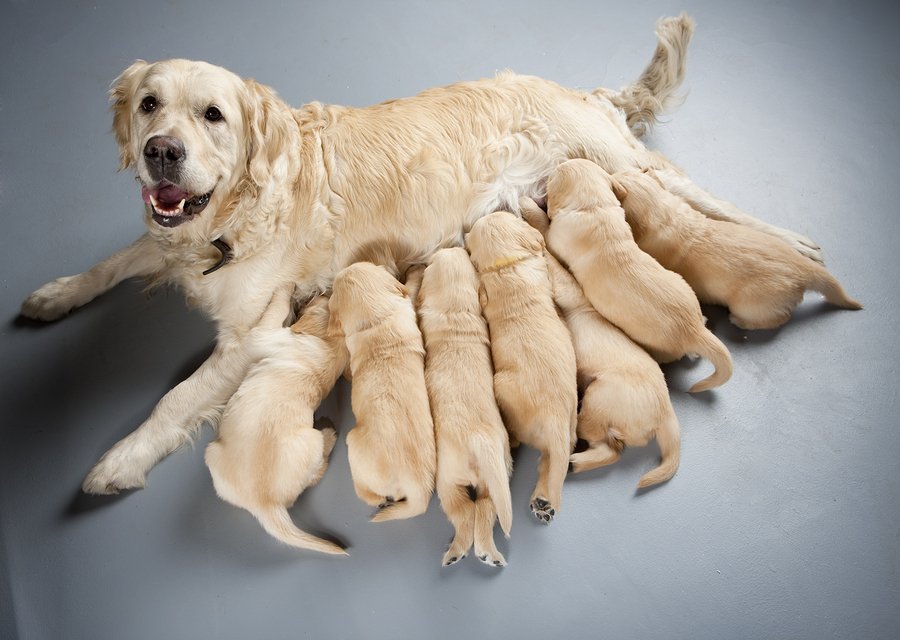


Dog pregnancy is a fascinating yet delicate stage in your pet’s life. Whether you’re a breeder, a first-time dog owner, or simply curious, knowing the dog pregnancy signs and understanding the gestation period is essential for ensuring a healthy pregnancy and safe delivery.
From subtle behavioral changes to visible physical transformations, dogs display several clues when they are expecting. Recognizing these early on can help you prepare properly, provide the best nutrition, and seek timely veterinary care.
In this guide, we’ll explore the early and late signs of pregnancy, the dog gestation timeline, and how to ensure your canine companion gets the support she needs.
Understanding Dog Pregnancy Basics
The average gestation period for dogs is about 63 days (roughly 9 weeks), though it can range from 58 to 68 days depending on the breed and individual dog. Unlike humans, dogs don’t have as many visible pregnancy signs in the first few weeks, which is why careful observation is key.
Pregnancy in dogs occurs when a female in heat (estrus) is successfully mated and fertilization takes place. The fertilized eggs travel to the uterus and implant, starting fetal development.
It’s important to note that some dogs may experience false pregnancy, showing symptoms like weight gain, nesting behavior, and even milk production without being pregnant. This is why veterinary confirmation is crucial.


Early Dog Pregnancy Signs (Weeks 1–3)
During the early stages, pregnancy signs can be subtle. Here are common early symptoms to watch for:
-
Slight decrease in appetite: Some dogs may experience mild nausea and reduced appetite, similar to human morning sickness.
-
Lower energy levels: Your normally playful dog might seem more tired or prefer resting.
-
Behavioral changes: She may become more affectionate or, in some cases, more withdrawn.
-
Mild nipple changes: Nipples may become slightly more prominent or darker in color.
At this stage, a veterinary check-up can help determine pregnancy using palpation (feeling the abdomen) or hormonal blood tests, though accuracy is higher after the third week.
Mid-Stage Dog Pregnancy Signs (Weeks 4–6)
By the fourth week, pregnancy signs become more noticeable:
-
Clear weight gain: Most dogs start gaining weight, especially around the abdomen.
-
Increased appetite: The mother may eat more as the puppies grow.
-
Nipple enlargement: Nipples become more distinct, and the area around them may darken.
-
Behavioral nesting: Some dogs start collecting soft objects or seeking quiet spaces.
-
Vaginal discharge: A clear or slightly milky discharge can occur and is normal, but it should be odorless.
Around week 4, an ultrasound can confirm pregnancy and even detect fetal heartbeats.
Late-Stage Dog Pregnancy Signs (Weeks 7–9)
In the final stage, pregnancy signs are impossible to miss:
-
Significant abdominal swelling: Her belly will be visibly rounder and firmer.
-
Restlessness: She may pace or have trouble getting comfortable.
-
Milk production: The mammary glands may produce colostrum (first milk).
-
Loss of appetite before labor: Many dogs stop eating 12–24 hours before giving birth.
-
Temperature drop: A rectal temperature of around 99°F or lower usually signals that labor will start within 24 hours.


Dog Gestation Timeline
Here’s a week-by-week breakdown of a typical dog pregnancy:
Week 1–2: Fertilization occurs, but no obvious signs are visible. Maintain normal activity and feeding.
Week 3: Embryos implant in the uterine lining. Early signs like mild lethargy or appetite changes may appear.
Week 4: Pregnancy confirmation possible via ultrasound. Begin adjusting her diet with your vet’s guidance.
Week 5: Fetuses develop more rapidly; appetite increases. Avoid strenuous activities.
Week 6: Noticeable weight gain and abdominal enlargement. Provide a whelping box for her to explore.
Week 7: Coat may shed on her belly. Begin reducing exercise and keep her comfortable.
Week 8: Puppies are fully formed; mother may become restless. Prepare for labor.
Week 9: Watch for temperature drop and signs of labor.
Veterinary Care During Pregnancy
Regular veterinary visits are essential for monitoring the mother’s health and puppy development. Your vet may recommend:
-
Nutritional adjustments: High-quality puppy food in the final 3–4 weeks to meet increased calorie needs.
-
Supplements: Only as recommended by the vet.
-
Parasite prevention: Safe treatments for fleas, ticks, and worms during pregnancy.
-
Ultrasounds or X-rays: To check puppy count and positioning, especially in the last weeks.
Caring for a Pregnant Dog
Here’s how to ensure your pregnant dog remains healthy:
-
Balanced Diet – Switch to high-calorie puppy food in the last trimester.
-
Moderate Exercise – Gentle walks help maintain muscle tone without overexertion.
-
Comfortable Space – Provide a quiet, warm, and clean area where she can nest.
-
Avoid Stress – Keep loud noises, new pets, and unnecessary handling to a minimum.
-
Monitor for Complications – Contact your vet if you notice abnormal discharge, extreme lethargy, or signs of distress.
Preparing for Labor (Whelping)
About a week before the due date, prepare a whelping box in a quiet, familiar area. Line it with clean blankets or towels. Ensure it’s large enough for her to move around comfortably but has sides high enough to keep puppies safe.
Signs that labor is approaching:
-
Drop in body temperature to around 99°F or lower
-
Restlessness and nesting behavior
-
Refusal to eat
-
Panting or pacing
Labor usually happens in three stages:
-
Cervix dilation – Can last up to 12 hours; dog may seem anxious.
-
Puppy delivery – Each puppy is delivered individually, usually 30–60 minutes apart.
-
Placenta delivery – Usually follows each puppy.
If your dog strains for over an hour without producing a puppy, call your vet immediately.
When to Seek Emergency Help
Contact your vet right away if:
-
Pregnancy lasts over 70 days without signs of labor
-
Heavy bleeding occurs before or during labor
-
Strong contractions last over 1 hour without a puppy being delivered
-
Green or foul-smelling discharge appears before the first puppy is born
Prompt action can save both the mother and her puppies.
Lifesaving Tip: Watch for Subtle Signs
Some dog pregnancy signs can be easily overlooked, especially in large or overweight dogs. A dog can carry a small litter without a dramatically enlarged abdomen, so if your female has been in heat and mated, keep an eye out for any unusual changes in behavior or appearance.
Final Thoughts
Understanding dog pregnancy signs and the gestation period helps you provide the best care for your expecting canine. From early behavioral shifts to visible physical changes, each stage offers clues that your dog is preparing for motherhood.
By pairing observation with timely veterinary care, you can ensure a smooth pregnancy, safe delivery, and a healthy start for the puppies. Your role as a supportive and attentive owner makes all the difference in your dog’s journey from conception to the first tiny yelps of new life.