




When we think of heart disease, we often associate it with humans or even dogs—but cats can suffer from heart conditions too. In fact, heart problems in cats are often underdiagnosed because the signs can be subtle or mistaken for something else. As a pet owner, understanding how heart disease affects your feline companion is critical to catching it early and managing it effectively.
This veterinary health guide breaks down the causes, symptoms, types, diagnosis, treatment, and prevention of heart problems in cats so you can give your pet the healthiest life possible.
What Are Heart Problems in Cats?
Heart problems in cats refer to any condition that affects the normal function of the feline heart. The heart is responsible for pumping blood throughout the body, and when it’s not working properly, it can impact every organ.
Feline heart conditions are usually classified into two main types:
-
Congenital heart disease – Present at birth due to genetic defects.
-
Acquired heart disease – Develops later in life, often due to aging, infections, or other health issues.
The most common acquired heart disease in cats is hypertrophic cardiomyopathy (HCM), a condition where the heart muscle thickens, making it harder to pump blood efficiently.
Common Types of Heart Disease in Cats
Let’s explore the main types of heart problems in cats that veterinarians most often diagnose:
1. Hypertrophic Cardiomyopathy (HCM)
-
Most common feline heart condition
-
Heart muscle thickens, reducing blood flow
-
Often genetic (especially in breeds like Maine Coons and Ragdolls)
2. Dilated Cardiomyopathy (DCM)
-
Heart becomes enlarged and weakened
-
Rare today thanks to improved cat nutrition
-
Linked in the past to taurine deficiency
3. Restrictive Cardiomyopathy
-
Heart walls become stiff, limiting blood flow
-
Less common, but harder to treat
4. Arrhythmias
-
Abnormal heart rhythms
-
Can be harmless or a sign of underlying disease
5. Congenital Heart Defects
-
Present at birth (e.g., septal defects or valve malformations)
-
Often diagnosed in kittens during vet checkups
What Causes Heart Problems in Cats?
Several factors can contribute to heart problems in cats, including:
-
Genetics: Some breeds are predisposed, such as Maine Coons, Ragdolls, Persians, and British Shorthairs.
-
Age: Risk increases with age, particularly after 6–7 years old.
-
Poor diet: Nutritional deficiencies, especially low taurine levels, can lead to heart conditions.
-
High blood pressure: Often associated with kidney disease and hyperthyroidism in older cats.
-
Infections or inflammation: Certain viruses or parasites can damage heart tissues.
Signs and Symptoms of Heart Problems in Cats
Cats are notoriously good at hiding illness, which makes it harder to spot heart disease early. Still, there are warning signs every cat owner should watch for:
Subtle Early Signs
-
Lethargy or reduced activity
-
Loss of appetite
-
Weight loss
-
Hiding more often
-
Occasional vomiting
Advanced Symptoms
-
Difficulty breathing or rapid breathing (especially at rest)
-
Open-mouth breathing
-
Coughing (though rare in cats)
-
Weakness or collapse
-
Paralysis of the hind legs (due to blood clots from heart disease)
-
Bluish gums or tongue (a sign of low oxygen)
If your cat is exhibiting any of these symptoms, especially breathing difficulties or leg paralysis, it’s a medical emergency. Seek veterinary help immediately.
How Are Heart Problems in Cats Diagnosed?
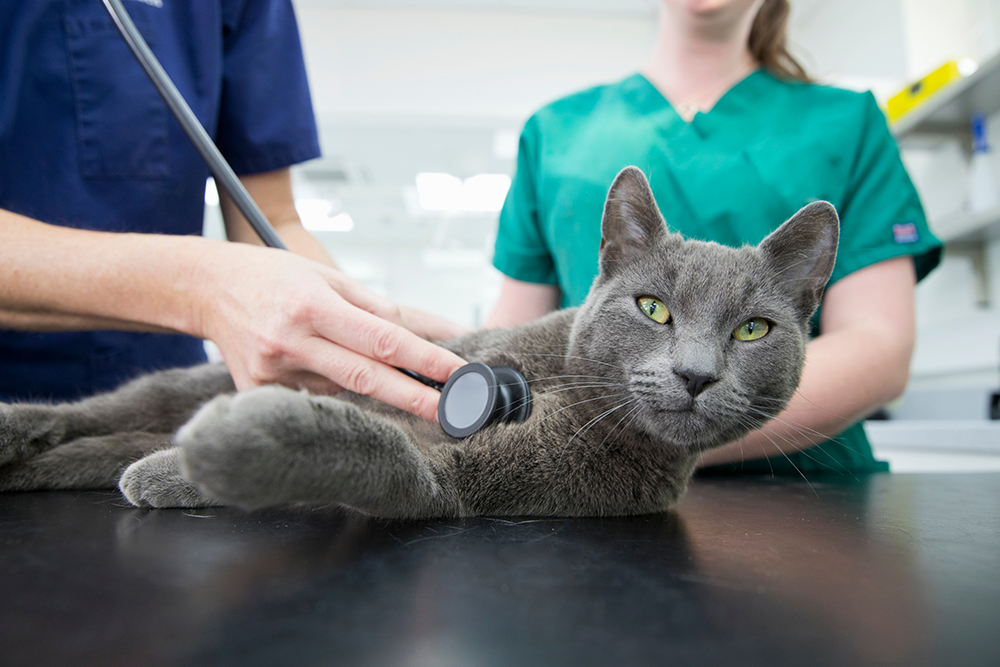
Diagnosis of heart problems in cats often starts with a physical exam. Your vet may notice:
-
A heart murmur
-
An irregular heartbeat
-
Abnormal lung sounds
To confirm a diagnosis and determine severity, your veterinarian may recommend several tests:
1. Chest X-rays
Reveals heart size and any fluid in the lungs.
2. Echocardiogram (Ultrasound of the Heart)
The most accurate way to see the structure and function of the heart in real time.
3. Electrocardiogram (ECG)
Measures the electrical activity and rhythm of the heart.
4. Blood Pressure Measurement
Helps identify underlying issues like hypertension.
5. Blood Tests
Especially a test called NT-proBNP, which can detect heart strain.
Treatment Options for Heart Problems in Cats
While there’s no “cure” for most heart conditions, early treatment can slow the disease and improve your cat’s quality of life.
1. Medications
-
Beta-blockers or calcium channel blockers to relax the heart muscle
-
ACE inhibitors to lower blood pressure
-
Diuretics to reduce fluid buildup
-
Anticoagulants to prevent blood clots
2. Diet and Supplements
-
Some cats may benefit from a low-sodium diet
-
Taurine supplements may help in some cases
-
Omega-3 fatty acids may support heart health
3. Regular Monitoring
-
Periodic vet visits to monitor progress
-
Repeat echocardiograms every 6–12 months
4. Emergency Care
If your cat has fluid in the lungs (pulmonary edema) or collapses, hospitalization and oxygen therapy may be needed.
Can Heart Problems in Cats Be Prevented?
While you can’t always prevent heart disease, you can take steps to reduce the risk and catch it early:
-
Regular vet checkups, especially for senior cats
-
Feed a nutritionally complete diet with taurine
-
Watch for subtle changes in behavior or energy
-
Manage other health issues like hyperthyroidism or kidney disease
-
Consider screening tests if your cat is a high-risk breed
Living with a Cat Who Has Heart Disease
With the right care, many cats with heart conditions live happy, comfortable lives for years. Your role as a pet parent is crucial:
-
Give meds on schedule (ask about pill pockets or flavored options)
-
Track your cat’s behavior and breathing rate (normal is 20–30 breaths per minute at rest)
-
Keep stress low—avoid sudden changes, loud noises, or new pets
-
Provide a warm, cozy space for rest
Always communicate openly with your vet. They can help you adjust treatment as your cat’s condition changes.
When It’s Time to Say Goodbye
This is never easy, but important to include. If your cat’s quality of life declines—constant distress, severe difficulty breathing, loss of appetite—your vet can help you make compassionate decisions, including end-of-life care or humane euthanasia.
Understanding Heart Problems in Cats Can Save Lives
Heart problems in cats may be silent at first, but they can have serious consequences if left untreated. By staying informed and observant, you can catch warning signs early and help your cat get the care it needs. Whether it’s a genetic heart condition or one that develops over time, your love, attention, and proactive care can make all the difference.
Don’t wait until it’s too late—schedule regular checkups, ask your vet about heart health screenings, and keep an eye out for the subtle clues your cat may be giving you.