


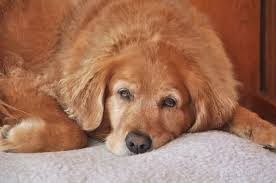


As our furry friends age, their behavior evolves, often leaving us puzzled and concerned. Just like humans, Senior dog behavior changes as they experience physical and emotional transformations that can impact their daily lives. These changes may include decreased energy levels, increased anxiety, altered sleep patterns, or even cognitive decline. Understanding these transformations is crucial for maintaining your dog’s quality of life and continuing to nurture your special bond.
One of the most noticeable changes in Senior Dog Behavior is reduced mobility. Arthritis, joint pain, and general stiffness can make them less enthusiastic about walks or playtime. It’s important to adjust their routine to accommodate these physical limitations by incorporating shorter, gentler walks and providing orthopedic bedding to ease discomfort.
Cognitive changes can also affect behavior. Your once sharp and alert companion may become confused or forget routines. This is often referred to as Canine Cognitive Dysfunction (CCD), comparable to dementia in humans. Symptoms include disorientation, changes in sleeping patterns, or even loss of house training. Keeping a consistent routine, using verbal cues, and engaging your dog with interactive toys can help manage Senior Dog Behavior challenges related to cognitive decline.
In addition, sensory changes like vision or hearing loss may lead to increased anxiety or clinginess. Simple adaptations, like maintaining a consistent environment and using touch and scent cues, can help reassure your dog. Patience and understanding are key, as senior dog behavior changes are a natural part of aging.
By recognizing and accommodating these shifts, you can help your senior dog feel safe, loved, and comfortable in their golden years. Adjusting your care and being attentive to their needs can strengthen your bond and improve their overall well-being. Staying informed about senior dog behavior can make a significant difference in how you support your aging companion.
Senior Dog Behavior Changes:
The Twilight Transformation: Recognizing Aging in Dogs
Aging is inevitable, and our dogs are no exception. As they transition into their golden years, you’ll notice changes in their behavior. But what exactly should you look for?
- Slower Pace: Just like us, dogs slow down as they age. Your once-energetic pup may now prefer lounging over fetching.
- Sensory Decline: Hearing and vision can deteriorate. You might find your dog bumping into furniture or not responding to your calls as swiftly.
- Increased Napping: Older dogs often sleep more. Don’t be alarmed; it’s their way of conserving energy.
Recognizing these signs early can help you adjust your care routine to better suit their needs.
Mood Swings and Senior Moments: Behavioral Shifts
Senior dogs can exhibit mood swings that might surprise you. These changes often stem from discomfort or confusion due to aging.
- Increased Irritability: Pain from arthritis or dental issues can make your dog more irritable. Regular vet check-ups can help manage these problems.
- Anxiety and Confusion: Cognitive dysfunction, akin to dementia in humans, can cause anxiety and disorientation. Look for signs like pacing, barking for no reason, or getting lost in familiar places.
Understanding these shifts can help you provide a calmer, more supportive environment for your aging companion.
The Appetite Adventure: Changes in Eating Habits
As your dog ages, you might notice changes in their appetite and eating habits. This can be due to various factors including dental health, metabolism, and sensory decline.
- Picky Eating: Dental pain or decreased sense of smell can make food less appealing. Softening their food or switching to senior-specific diets can help.
- Weight Fluctuations: Weight gain or loss is common in senior dogs. Regularly monitor their weight and consult your vet to adjust their diet as needed.
- Hydration Importance: Ensure they stay hydrated. Older dogs might drink less, so encourage water intake by providing fresh, accessible water.
Addressing these dietary changes can keep your senior dog healthy and happy.
Sleepy Senior: Changes in Sleep Patterns
You might notice your senior dog sleeping more during the day and becoming restless at night. This change in sleep patterns can be due to various health issues or simply aging.
- Daytime Drowsiness: Increased daytime sleep is normal, but excessive sleep can indicate health issues. Keep an eye on their overall activity levels.
- Nighttime Restlessness: Pain, discomfort, or cognitive dysfunction can disrupt their sleep. Providing a comfortable bed and maintaining a consistent nighttime routine can help.
- Nap Management: Encourage activity during the day to help regulate their sleep-wake cycle.
Adapting to these changes can ensure your senior dog gets the rest they need.
The Exercise Enigma: Adjusting Physical Activity
Exercise is crucial for maintaining your dog’s health, but their exercise needs will change as they age.
- Low-Impact Activities: Switch to low-impact exercises like gentle walks or swimming to avoid stressing their joints.
- Shorter, Frequent Sessions: Instead of one long walk, opt for shorter, more frequent sessions to keep them active without overexerting them.
- Mental Stimulation: Incorporate brain games and puzzles to keep their mind sharp.
Balancing physical and mental stimulation can greatly improve your senior dog’s quality of life.
Social Butterflies No More: Changes in Social Behavior
You might notice your senior dog becoming less social or more anxious around new people and pets. These changes can be managed with patience and understanding.
- Reduced Social Interest: Older dogs may prefer solitude over socializing. Respect their space but ensure they still get enough interaction.
- Increased Clinginess: Some dogs become more attached to their owners, seeking comfort and reassurance. Provide extra affection and reassurance during this time.
- New Social Strategies: Introduce new pets or people gradually and maintain a calm environment to prevent stress.
By acknowledging these social changes, you can help your senior dog feel more secure and content.
Embracing the Golden Years
Navigating the senior years with your dog requires patience, love, and a good understanding of their evolving needs. Just as humans experience changes as they age, dogs also go through physical, emotional, and behavioral transformations. Recognizing these changes early on and adapting your care routine can make a significant difference in their quality of life. Senior Dog Behavior can vary greatly, making it important to stay observant and responsive to their needs.
One of the most noticeable signs of aging in dogs is a decrease in energy and mobility. You may find that your once-active companion now prefers shorter, slower walks and takes more naps throughout the day. This shift calls for gentle, low-impact exercises that keep their joints flexible without causing strain. Senior dog behavior often includes a preference for familiar routines and slower-paced activities. Consider incorporating activities such as leisurely strolls, gentle fetch games, or even swimming if your dog enjoys it.
Older dogs may also develop health conditions such as arthritis, vision or hearing loss, and cognitive decline. Regular veterinary check-ups are essential to catch and manage these issues early. Additionally, adjusting their diet to include joint supplements or senior-specific dog food can support their overall well-being. Keep an eye on changes in appetite or weight, as these could indicate underlying health concerns related to senior dog behavior.
Beyond physical care, emotional support is equally vital. Senior dog behavior may include increased anxiety or clinginess, requiring extra reassurance and companionship. Creating a calm, predictable environment and providing cozy resting areas can help them feel secure. Your gentle presence and consistent affection will go a long way in keeping them happy and comfortable.
By understanding and respecting your dog’s changing needs, including the nuances of senior dog behavior, you can make their golden years truly rewarding, filled with comfort, joy, and the continued bond that makes your relationship so special.