


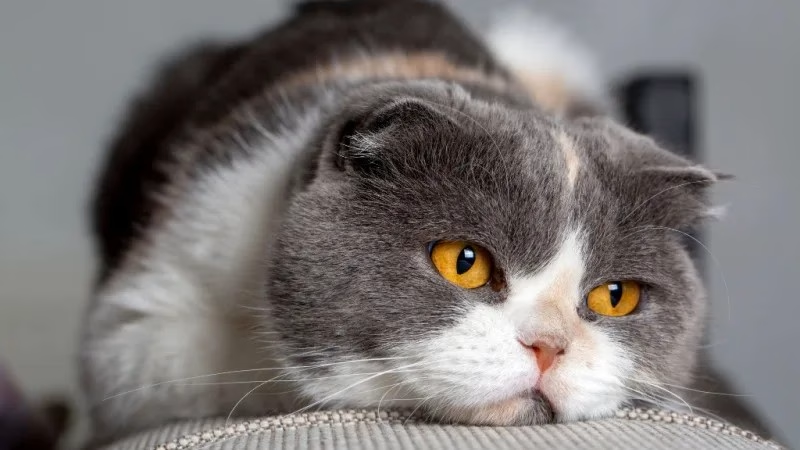


As a devoted cat owner, noticing your feline friend sneezing, coughing, or having trouble breathing can be very worrying. Upper respiratory infection (URI) in cats is one of the most common illnesses affecting felines worldwide. While often manageable, URIs can cause significant discomfort and sometimes lead to more serious health issues if untreated. Understanding the causes, symptoms, treatment options, and prevention strategies for URI in cats can make all the difference in keeping your cat healthy and happy.
What is URI in Cats?
Upper respiratory infection (URI) in cats refers to an inflammation or infection of the upper respiratory tract — including the nose, throat, and sinuses. Much like the common cold in humans, it is usually caused by viral infections, though bacteria can also play a role, especially in secondary infections.
URIs are highly contagious, particularly in multi-cat households, shelters, or boarding facilities. Kittens, senior cats, and cats with compromised immune systems are especially vulnerable to developing severe symptoms.
Common Causes of URI in Cats
Viral Causes
Viruses are the primary culprits behind most URI cases in cats.
-
Feline Herpesvirus Type 1 (FHV-1): This virus is the most common cause of URI and can lead to sneezing, nasal discharge, eye inflammation, and even corneal ulcers. Cats infected with herpesvirus often become lifelong carriers, with the potential for recurrent outbreaks triggered by stress or illness.
-
Feline Calicivirus (FCV): The second most frequent viral cause, calicivirus can cause URI symptoms similar to herpesvirus but is also known to cause painful mouth ulcers, fever, and in some cases, joint pain or limping.
Bacterial Causes
Although viruses are most common, bacteria can either cause or worsen URI.
-
Chlamydia felis: This bacterium often causes conjunctivitis (eye inflammation) along with mild respiratory symptoms.
-
Bordetella bronchiseptica: Known for causing kennel cough in dogs, this bacterium can also infect cats, leading to respiratory issues including coughing and sneezing.
Other Factors
-
Stress and Immunosuppression: Cats under stress, such as those in shelters or those experiencing environmental changes, are more susceptible to URI.
-
Poor Nutrition and Overcrowding: These factors weaken a cat’s immune system, increasing vulnerability.
Symptoms of URI in Cats
Symptoms can vary depending on the cause and severity but typically include:
-
Frequent sneezing: Often violent and persistent.
-
Nasal discharge: May start clear but become thick, yellow, or green with bacterial involvement.
-
Coughing or wheezing: Indicates involvement of the lower respiratory tract or more severe infection.
-
Eye discharge and conjunctivitis: Eyes may be watery, red, swollen, and crusted.
-
Loss of appetite or difficulty eating: Due to congestion, mouth ulcers, or general malaise.
-
Fever and lethargy: Your cat may appear tired, less playful, or reluctant to move.
-
Mouth ulcers: Often associated with calicivirus.
-
Swollen lymph nodes: Especially around the neck.
-
Difficulty breathing: A sign of severe infection or complications; requires urgent veterinary care.
How is URI Diagnosed?
Your veterinarian will begin with a physical exam and ask about your cat’s symptoms and environment. Because many URI symptoms overlap with other conditions, accurate diagnosis may involve:
-
Swab tests: Samples from the throat, eyes, or nose to identify viral or bacterial agents.
-
Blood tests: To assess overall health and immune response.
-
X-rays: If your cat has severe or chronic respiratory issues to check for pneumonia or other complications.
Treatment Options for URI in Cats
Since many URI (Upper Respiratory Infection) cases in cats are viral in nature, treatment primarily focuses on supportive care to aid your cat’s immune system in overcoming the infection. While viral infections cannot be treated with antibiotics, secondary bacterial infections or complications may require specific medications prescribed by your veterinarian. The severity of symptoms, your cat’s age, and any preexisting health conditions will also influence the treatment plan.
Veterinary Intervention
If symptoms persist or worsen after a few days, a visit to the vet is crucial. Your veterinarian may:
-
Prescribe antibiotics to treat secondary bacterial infections.
-
Administer antiviral medications in severe or chronic cases, especially for cats with FHV-1 (feline herpesvirus).
-
Recommend appetite stimulants if your cat stops eating, which can be dangerous.
-
Provide fluid therapy if your cat is dehydrated or refusing to drink.
-
Suggest eye drops or ointments for conjunctivitis or eye inflammation.
Supportive Care at Home
You can do a lot at home to help your cat recover and stay comfortable during a URI episode:
Hydration
Make sure your cat stays well-hydrated, as dehydration can worsen symptoms. Encourage water intake by:
-
Providing fresh water daily in multiple bowls.
-
Offering wet or canned food, which contains more moisture.
-
Using pet-safe electrolyte solutions if recommended by your vet.
Nutrition
Sick cats may lose their appetite due to a blocked nose or sore throat. Keep them eating by:
-
Warming food slightly to enhance aroma.
-
Offering tuna water, bone broth (unsalted), or baby food (meat-only, no onion/garlic).
-
Feeding smaller, more frequent meals throughout the day.
Humidification
Dry air can irritate the nasal passages and throat, making breathing more difficult. Try:
-
Placing a humidifier in the room where your cat rests.
-
Bringing your cat into the bathroom while you take a hot shower to create steam.
-
Ensuring good ventilation without drafts or sudden temperature changes.
Cleaning
Cats with URIs often have runny noses and watery or crusty eyes. Gently clean:
-
Nasal discharge with a soft, warm, damp cloth.
-
Eye discharge using a separate clean cloth or sterile gauze for each eye.
-
Face fur to prevent matting and irritation.
Rest
Just like people, cats need rest to heal. Help your cat by:
-
Providing a quiet, warm, and cozy space where they feel safe.
-
Minimizing loud noises, visitors, or other pets that may cause stress.
-
Avoiding unnecessary handling while they’re sick.
Medications
-
Antibiotics: Used only if a bacterial infection is diagnosed or suspected.
-
Antiviral medications: Occasionally prescribed for severe herpesvirus cases.
-
Eye drops or ointments: To treat conjunctivitis or other eye symptoms.
-
Nasal decongestants or corticosteroids: Used sparingly and under veterinary guidance.
When to Seek Veterinary Care
Some URI cases can become emergencies. Take your cat to the vet immediately if they:
-
Have difficulty breathing or open-mouth breathing
-
Refuse to eat or drink for more than 24 hours
-
Show signs of dehydration (dry gums, sunken eyes, lethargy)
-
Have persistent high fever or worsening symptoms despite home care
-
Develop severe eye problems like ulcers or vision loss
Preventing URI in Cats
Vaccination
Vaccines against FHV-1, FCV, and Chlamydia felis are standard in routine feline vaccination schedules. Vaccinating your cat is the most effective way to prevent severe URI infections.
Reduce Stress
Stress can reactivate latent infections, especially herpesvirus. Minimize stress by maintaining a stable routine, providing hiding places, and avoiding overcrowded environments.
Hygiene and Environment
-
Regularly clean food and water dishes, litter boxes, bedding, and toys.
-
Keep your cat indoors or supervise outdoor time to limit exposure to infected cats.
-
Quarantine new or sick cats away from others until cleared by a vet.
Nutrition and Immune Support
Good quality food, fresh water, and regular health checks help keep your cat’s immune system strong.
Living with Cats Prone to URI
Some cats become chronic carriers of herpesvirus or calicivirus, experiencing repeated flare-ups. Managing these cats involves:
-
Prompt treatment of symptoms at first signs of relapse
-
Minimizing stress triggers
-
Regular veterinary check-ups and monitoring
-
Possible use of immune support supplements or medications
URI in cats is a widespread but manageable condition affecting many felines worldwide. By understanding the causes, recognizing early symptoms, and knowing how to treat and prevent URI, you can help your cat recover quickly and avoid complications. Vaccination, proper hygiene, stress management, and timely veterinary care are your best tools to protect your cat from upper respiratory infections.
Your attentive care and prompt response can ensure your beloved cat stays comfortable, healthy, and happy even during URI bouts.