


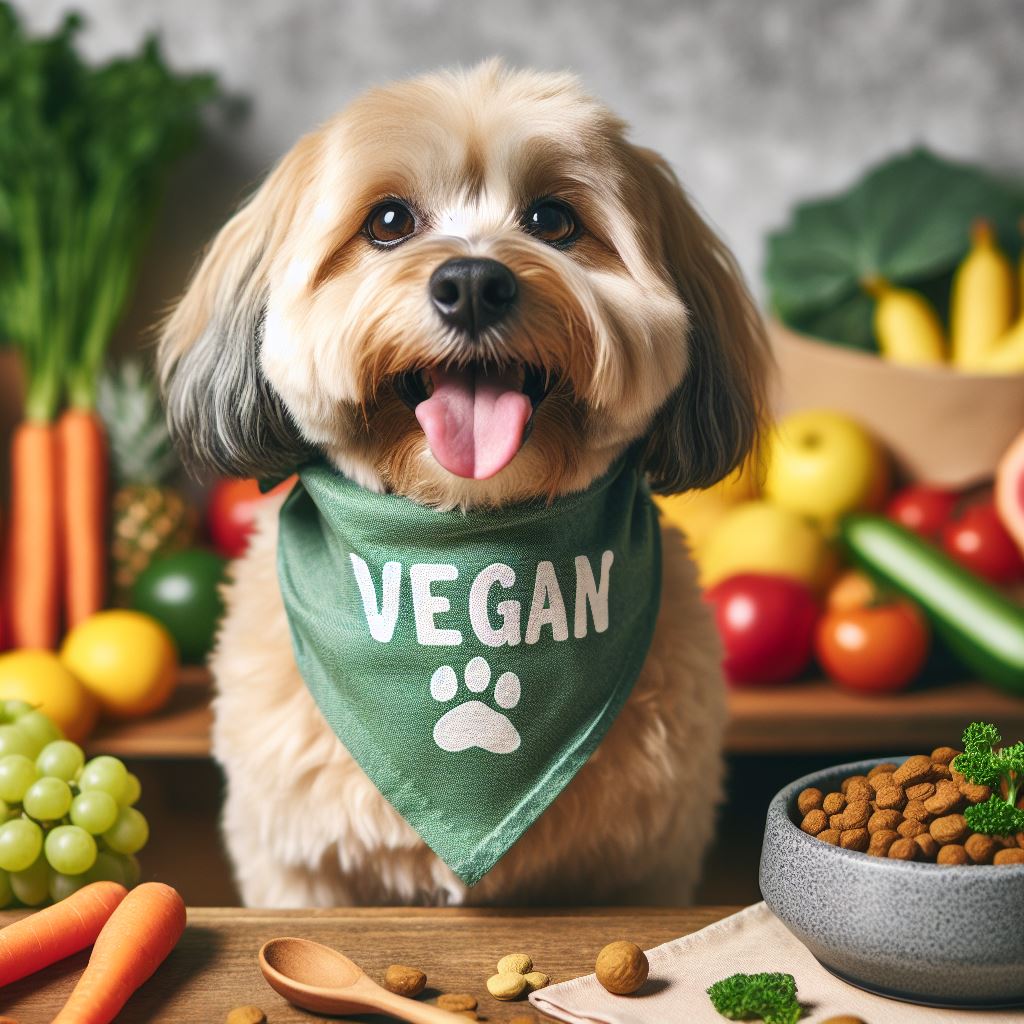


Introduction: The Growing Trend of Plant-Based Diets for Dogs
The concept of vegan dog food has gained significant traction in recent years as more pet parents explore plant-based nutrition options for their four-legged family members. Whether motivated by ethical considerations, environmental concerns, or specific health issues, the demand for high-quality vegan dog food continues to rise. This comprehensive guide will help you navigate the world of plant-based canine nutrition, understand the science behind it, and choose the best vegan dog food options available today.
As conscientious pet owners, we constantly strive to provide the optimal diet for our beloved companions. While dogs have traditionally been classified as omnivores with a carnivorous bias, emerging research suggests that carefully formulated plant-based diets can meet their nutritional requirements. This article explores everything you need to know about vegan dog food—from nutritional considerations to top product recommendations—to help you make informed decisions about your dog’s dietary needs.
Can Dogs Thrive on a Vegan Diet? Understanding the Science
The Omnivorous Nature of Dogs
Despite common misconceptions, domestic dogs (Canis familiaris) have evolved alongside humans for thousands of years, adapting their digestive systems to process a variety of foods beyond meat. Unlike obligate carnivores like cats, dogs possess several physiological adaptations that enable them to derive nutrition from plant sources:
- Amylase production: Dogs produce amylase in their pancreas and small intestine, allowing them to digest starches
- Longer small intestine: Compared to strict carnivores, dogs have a longer small intestine relative to body size, enabling better plant digestion
- Broader enzymatic capacity: Dogs can synthesize certain nutrients that carnivores must obtain directly from animal tissues
Dr. Andrew Knight, a veterinary professor specializing in animal welfare and ethics, states: “Dogs can thrive on nutritionally sound vegan diets, and these can be formulated to meet all of their nutritional needs.”
Nutritional Considerations for Plant-Based Canine Diets
While dogs can potentially thrive on vegan diets, meeting their specific nutritional requirements demands careful formulation. Essential nutrients that require special attention include:
| Nutrient | Function | Plant-Based Sources | Considerations |
|---|---|---|---|
| Protein | Muscle development, immune function | Pea protein, soy, lentils, quinoa | Must provide all essential amino acids |
| Taurine | Heart health, vision | Synthetic supplements | Not found naturally in plants |
| L-carnitine | Fat metabolism, energy production | Synthetic supplements | Limited in plant sources |
| Vitamin B12 | Neurological function, blood cell formation | Fortified nutritional yeast, supplements | Not naturally present in plants |
| Vitamin D | Calcium absorption, bone health | Mushrooms (D2 form), supplements | D3 traditionally from animal sources |
| Omega-3 fatty acids | Anti-inflammatory, skin/coat health | Flaxseed, chia seeds, algal oil | Plant sources provide ALA, not DHA/EPA directly |
Expert Insight: According to Dr. Ilana Halperin, chief of service for Community Medicine at UC Davis School of Veterinary Medicine, “A vegan diet for dogs is possible, but it requires thoughtful formulation to ensure all nutritional bases are covered. Consultation with a veterinary nutritionist is highly recommended.”
Benefits of Vegan Dog Food: Beyond Ethics
Health Advantages for Specific Conditions
For some dogs, plant-based diets offer tangible health benefits:
- Allergies and Sensitivities: Many dogs develop allergies to common animal proteins like chicken, beef, and dairy. A carefully formulated vegan diet eliminates these allergens.
- Inflammatory Conditions: Plant-based diets rich in antioxidants and natural anti-inflammatory compounds may help manage conditions like arthritis and inflammatory bowel disease.
- Weight Management: Plant-based diets typically contain more fiber and fewer calories than meat-based alternatives, potentially aiding weight control.
- Kidney and Liver Health: Lower protein levels in some vegan formulations may benefit dogs with certain kidney or liver conditions.
Environmental and Ethical Considerations
Beyond potential health benefits, many pet owners choose vegan dog food for broader reasons:
- Reduced Environmental Footprint: Plant-based pet foods generally require fewer resources and produce lower greenhouse gas emissions than meat-based alternatives.
- Animal Welfare: Vegan dog foods eliminate the need for animal agriculture practices that raise ethical concerns for many conscious consumers.
- Food Safety: Plant-based formulations may reduce exposure to potential contaminants sometimes found in animal byproducts.
How to Choose the Best Vegan Dog Food: Essential Criteria
AAFCO Compliance and Nutritional Adequacy
The most critical factor when selecting vegan dog food is ensuring it meets established nutritional standards. Look for products that comply with the Association of American Feed Control Officials (AAFCO) guidelines, indicated by statements like:
- “Complete and balanced nutrition for adult maintenance”
- “Formulated to meet AAFCO Dog Food Nutrient Profiles”
These statements confirm the food theoretically contains all essential nutrients in appropriate amounts.
Quality Ingredients and Formulation Expertise
Beyond basic compliance, consider:
- Protein Quality and Quantity: Look for diverse, high-quality plant protein sources like pea protein isolate, chickpeas, lentils, and quinoa.
- Formulation Expertise: Preference brands with veterinary nutritionists or animal nutrition specialists on their formulation teams.
- Transparent Sourcing: Companies that clearly disclose ingredient origins and manufacturing practices.
- Minimal Processing: Foods with whole food ingredients rather than highly processed alternatives.
Digestibility and Palatability Factors
Even nutritionally complete vegan dog foods must be:
- Digestible: Nutrients must be bioavailable for your dog’s system to utilize.
- Palatable: Your dog needs to enjoy eating the food consistently.
Look for brands that conduct digestibility studies and have positive customer reviews regarding palatability.
Top 5 Best Vegan Dog Food Options in 2025
Based on nutritional adequacy, ingredient quality, manufacturing standards, and customer satisfaction, here are the top vegan dog food options currently available:
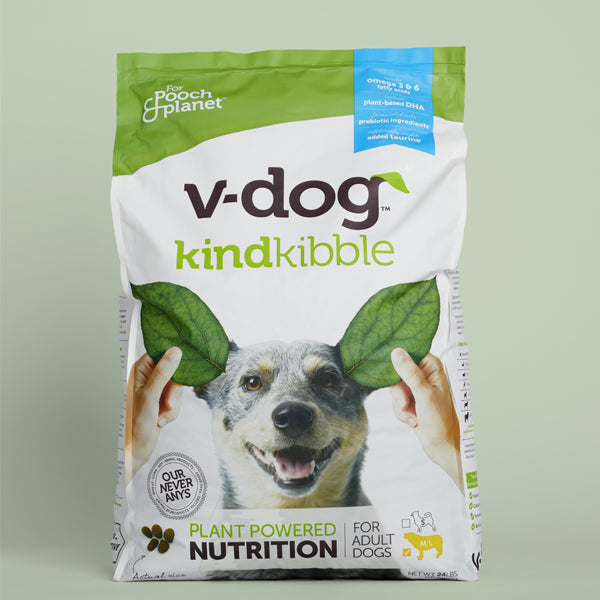
1. V-Dog Kind Kibble
Highlights:
- 100% plant-based formula with 24% protein content
- Contains a diverse blend of pea protein, lentils, and quinoa
- Fortified with taurine, L-carnitine, and vitamin B12
- Made in the USA with non-GMO ingredients
- No artificial colors, flavors, or preservatives
Price Range: $50-60 for a 30-pound bag Best For: Active adult dogs requiring high protein intake

2. Wild Earth Complete Protein Formula
Highlights:
- Clean protein formula with 31% protein content from fungi-based proteins
- Contains yeast, chickpeas, oats, and sweet potatoes
- Veterinarian-developed formula with omega fatty acids from algal oil
- No fillers, artificial preservatives, or byproducts
- Clinically proven digestibility comparable to premium meat-based foods
Price Range: $65-75 for a 18-pound bag Best For: Dogs with specific protein allergies or sensitivities
3. Halo Garden of Vegan Recipe
Highlights:
- Available in both dry kibble and wet food formats
- Contains non-GMO plant ingredients including chickpeas and peas
- Supplemented with essential nutrients including taurine and L-carnitine
- Free from artificial colors, flavors, and preservatives
- Offers complete-and-balanced nutrition certified by AAFCO standards
Price Range: $45-55 for a 21-pound bag (dry food) Best For: Dogs preferring varied textures (wet and dry options available)
4. Natural Balance Vegetarian Formula
Highlights:
- Technically vegetarian rather than vegan (contains some vitamin D3)
- Brown rice and oatmeal provide digestible carbohydrates
- Supplemented with essential vitamins and minerals
- Widely available in pet specialty stores and online retailers
- Long track record of consistent quality
Price Range: $40-50 for a 28-pound bag Best For: Dogs transitioning from conventional diets to plant-based options
Natural Balance Product Information
Transitioning Your Dog to a Vegan Diet: Expert Protocol
Gradual Transition Process
Switching your dog to a vegan diet requires patience and careful monitoring. Veterinary nutritionists recommend this transition schedule:
- Days 1-3: 75% current food, 25% vegan food
- Days 4-6: 50% current food, 50% vegan food
- Days 7-9: 25% current food, 75% vegan food
- Day 10 onward: 100% vegan food
Monitoring Your Dog’s Response
During and after the transition, closely monitor:
- Stool quality and consistency
- Energy levels and activity
- Coat appearance and skin condition
- Weight changes
- Overall enthusiasm for food
How long does it take to transition a dog to vegan food? Most dogs require 7-10 days for a smooth transition to vegan dog food. Start with 25% vegan food mixed with 75% of their current food for 2-3 days, then gradually increase the proportion of vegan food while decreasing the original food every 2-3 days until the transition is complete. Monitor stool consistency throughout the process and adjust the pace if digestive upset occurs.
Potential Challenges and Solutions
Some common challenges when transitioning to vegan dog food include:
- Palatability issues: Try warming the food slightly or adding vegetable broth
- Digestive adjustment: Probiotics may help support gut microbiome adaptation
- Texture preferences: Some dogs may prefer wet vegan food over dry kibble
Supplementing a Vegan Dog Diet: What You Need to Know
Essential Supplements to Consider
Even with high-quality commercial vegan dog food, some supplements may be beneficial:
- Taurine and L-carnitine: For heart health and metabolism
- Omega-3 fatty acids: From algal oil sources for skin, coat, and inflammation control
- Probiotics: To support digestive health and nutrient absorption
Homemade Vegan Dog Food Considerations
Creating homemade vegan dog food requires significant nutritional knowledge and careful formulation. If pursuing this option:
- Work with a board-certified veterinary nutritionist
- Ensure proper protein, fat, and micronutrient balance
- Incorporate diverse ingredients for nutritional variety
- Consider using a commercial vitamin/mineral premix formulated for dogs
- Regular bloodwork to monitor nutritional status
Common Concerns and Misconceptions About Vegan Dog Food
Addressing Protein Adequacy
A common concern about vegan dog food is protein adequacy. However, protein quality—providing all essential amino acids—matters more than the source. Quality vegan dog foods combine diverse plant proteins to create complete amino acid profiles comparable to animal proteins.
Breed-Specific Considerations
Some breeds may have specific nutritional requirements to consider:
| Breed Type | Special Considerations | Vegan Diet Suitability |
|---|---|---|
| Toy breeds | Higher caloric density needs, small kibble size | Good with proper formulation |
| Large breeds | Joint support, controlled growth | Moderate – careful monitoring needed |
| Athletic breeds | Higher protein and calorie requirements | Good with high-protein vegan formulas |
| Brachycephalic | Kibble size and shape for easier grasping | Good with appropriate kibble design |
| Senior dogs | Lower protein requirements, joint support | Very good with proper formulation |
The Importance of Regular Veterinary Monitoring
Regardless of diet choice, regular veterinary checkups are essential. For dogs on vegan diets, consider:
- Annual bloodwork including complete blood count and chemistry panel
- Urinalysis to monitor urinary health
- Body condition scoring at regular intervals
- Dental examinations (some plant-based kibbles may affect dental health differently)
Expert Opinions: What Veterinarians Say About Vegan Dog Food
The veterinary community offers diverse perspectives on vegan diets for dogs:
Dr. Ernie Ward, founder of the Association for Pet Obesity Prevention, notes: “Nutritionally complete plant-based diets can be appropriate for many dogs, though individual monitoring is essential.”
The British Veterinary Association position states: “While dogs can survive on a vegetarian diet as long as it is nutritionally sound, the BVA believes a diet containing meat is best.”
Dr. Sarah Dodd, veterinary nutritionist, explains: “When properly formulated to meet all nutritional requirements, vegetarian and vegan diets can be adequate for dogs, though careful product selection is crucial.”
Conclusion: Making the Best Choice for Your Dog
The decision to feed your dog a vegan diet involves careful consideration of your dog’s specific health needs, your values, and practical factors like budget and availability. When selecting vegan dog food:
- Prioritize AAFCO-compliant formulations
- Choose products developed by companies with nutritional expertise
- Transition gradually and monitor your dog’s response
- Maintain regular veterinary supervision
- Stay informed about emerging research in canine nutrition
While not every dog will thrive on a plant-based diet, many can maintain excellent health with properly formulated vegan food. The key is making informed decisions based on your individual dog’s needs rather than broad generalizations.
What experiences have you had with plant-based options for your dog? Have you noticed any positive changes after switching to a vegan dog food? Share your thoughts in the comments below!
SEO Title:
Meta Description:
Suggested URL Structure: yourdomain.com/pet-nutrition/vegan-dog-food-guide