

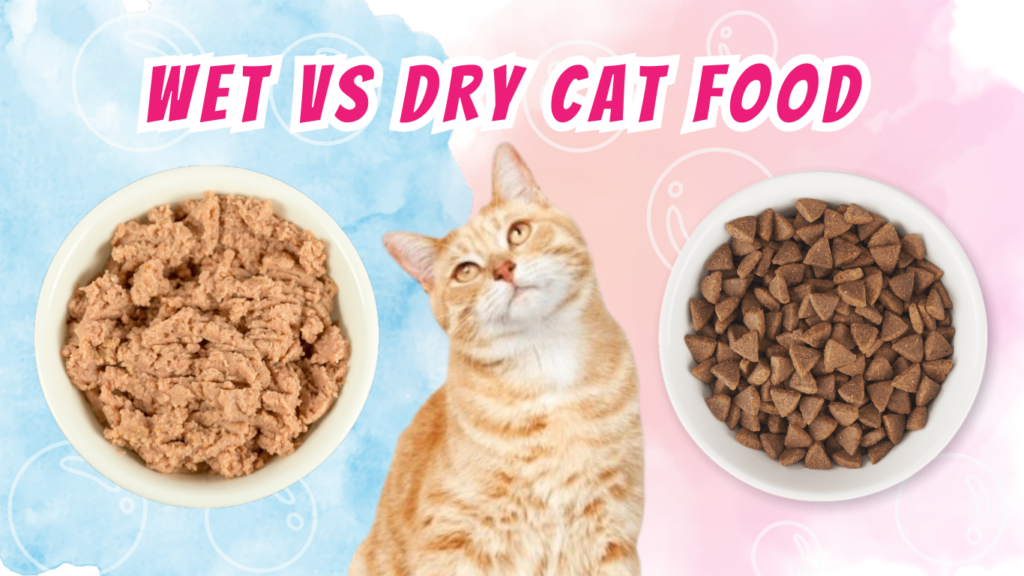


Wet vs Dry Cat Food is a hot topic among pet owners, and as a responsible cat owner, one of the most important decisions you’ll make is what to feed your feline companion. When it comes to choosing between wet and dry cat food, it can be a bit overwhelming, especially with all the available options. Both types have their advantages, but which one is the best choice for your cat?
In this comprehensive guide, we’ll break down the differences between wet and dry cat food, helping you make an informed decision based on your cat’s unique needs. From nutritional benefits to convenience and cost, we’ll explore everything you need to know about wet vs dry cat food.
The Basics of Wet and Dry Cat Food
Before we dive into the comparison, let’s start with the basics. Wet and dry cat food come in various forms, flavors, and ingredients, but they are typically categorized as follows:
-
Wet Cat Food: Often sold in cans, pouches, or trays, wet cat food has a high moisture content, which can range from 70% to 80%. It is typically made with meat or fish, and some formulas are designed for specific dietary needs.
-
Dry Cat Food (Kibble): Dry cat food comes in small, crunchy pellets and has a much lower moisture content, usually around 10%. It’s more shelf-stable and is often formulated with a mix of protein, carbohydrates, fats, and fiber.
Now that we have the basics down, let’s compare the two.
Nutritional Differences: Wet vs Dry Cat Food
Both wet and dry cat foods can provide balanced nutrition for your cat, but their nutritional profiles vary in some key areas.
1. Protein Content
Cats are obligate carnivores, meaning they require a high-protein diet to thrive. Both wet and dry foods typically contain animal-based proteins, but the percentage of protein can vary significantly between brands.
Wet Food: Wet cat food tends to have higher protein content because it’s made primarily of meat, fish, or poultry. Since wet food is mostly water, the protein levels can be more concentrated. This makes wet food a great option for cats who need a protein-rich diet.
Dry Food: While dry food also contains protein, it tends to be more diluted because of its lower moisture content. Many dry cat foods contain a mix of animal protein and plant-based protein, which may not be as easily digestible for cats. However, there are high-quality dry foods available with sufficient animal protein to meet your cat’s needs.
2. Moisture Content
One of the most significant differences between wet and dry food is the moisture content. Cats are naturally inclined to get their hydration from their food, especially since they often don’t drink enough water on their own.
Wet Food: The high moisture content in wet cat food helps keep your cat hydrated. This is particularly important for cats that don’t drink much water, or for those with kidney issues or urinary tract problems. Wet food can aid in preventing dehydration and supporting kidney and urinary health.
Dry Food: With only about 10% moisture, dry cat food is much more dehydrating than wet food. While you can encourage your cat to drink more water when feeding dry food, some cats simply won’t drink enough to make up for the lack of moisture in their meals.
3. Carbohydrates
Cats don’t have the same carbohydrate needs as humans or even dogs. Excessive carbs can lead to weight gain and digestive issues, so it’s essential to choose a food that contains a balanced amount of carbs.
Wet Food: Wet food usually contains fewer carbohydrates, as it’s often meat-based. Most of the carbs come from added vegetables or grains. Many premium wet food options are low in carbs, which is great for weight management and overall health.
Dry Food: Dry cat food typically contains more carbohydrates because it’s often made with grains or starches to bind the kibble together. Some lower-quality dry foods rely heavily on fillers like corn, wheat, and soy, which can contribute to obesity and other health issues over time.
Health Considerations: Wet vs Dry Cat Food
1. Dental Health
One of the main arguments in favor of dry cat food is its potential to help clean your cat’s teeth. The crunchy texture of kibble can help reduce plaque buildup, which may contribute to healthier gums and teeth.
Wet Food: While wet food doesn’t provide the same mechanical cleaning effect as dry food, it’s still a good option for cats who are prone to dental disease or who have difficulty chewing dry food. If your cat is already on a wet food diet, you can address their dental health by incorporating dental treats, chews, or regular veterinary cleanings.
Dry Food: Kibble can help with plaque buildup, but it’s not a substitute for regular dental care. It’s essential to brush your cat’s teeth and take them for professional cleanings as needed.
2. Weight Management
If your cat is overweight or prone to obesity, you’ll want to be mindful of their calorie intake. Wet food tends to be lower in calories per serving due to its high moisture content. This can be beneficial for weight control because you can give your cat larger portions without overfeeding.
Wet Food: Since wet food has fewer calories and more moisture, it can help prevent overeating. It’s also a great option for picky eaters or older cats who may have trouble chewing dry food.
Dry Food: Dry food is calorie-dense, so it’s easier for your cat to consume too many calories in one sitting. You’ll need to measure your cat’s food portions carefully to prevent overeating. Some dry foods are designed for weight management, so make sure you choose one that’s tailored to your cat’s needs.
Convenience and Cost: Wet vs Dry Cat Food
1. Convenience
When it comes to feeding your cat, convenience matters. Dry food is much easier to store, serve, and measure compared to wet food. It doesn’t require refrigeration after opening and can be left out for longer periods, making it ideal for free-feeding (leaving food out throughout the day for your cat to eat at their own pace).
Wet Food: Wet food requires refrigeration after opening and should be consumed within a day or two to ensure freshness. It also needs to be served in smaller portions. You may also have to clean your cat’s bowl more frequently to prevent the food from spoiling.
2. Cost
Wet food is generally more expensive than dry food, especially if you’re feeding your cat a high-quality, grain-free or meat-based formula. It’s also more expensive on a per-serving basis, as cats typically need more wet food to feel full compared to dry food.
Dry Food: Dry food tends to be more budget-friendly and can be bought in bulk. If you’re on a tight budget, dry food may be a more cost-effective option, but you should ensure it meets your cat’s nutritional needs.
Which Is Right for Your Cat?
When deciding between wet vs dry cat food, it’s essential to consider your cat’s individual health needs, preferences, and lifestyle. Both wet and dry food offer unique benefits, and a combination of both can often be the best choice for your feline friend.
-
If your cat needs help with hydration or has specific health concerns like kidney disease or urinary tract issues, wet food is a great option.
-
If convenience, dental health, and cost are your top priorities, dry food may be a more practical choice.
Ultimately, the best decision is one that supports your cat’s overall health, fits your budget, and aligns with their preferences. By understanding the benefits and drawbacks of each type of food, you can ensure your cat enjoys a well-balanced and nutritious diet that will keep them healthy and happy for years to come.