



Probiotic Side Effects in Dogs should be carefully considered before introducing any new supplement into your pet’s diet. The popularity of probiotics among dog owners and veterinarians has surged in recent years, largely due to growing awareness of their potential benefits for canine gut health and overall well-being. Probiotics are live microorganisms—typically strains of beneficial bacteria or yeast—that, when administered in appropriate amounts, can help support a healthy digestive system in dogs.
These “good” bacteria work by balancing the natural flora in a dog’s gut, which can aid digestion, enhance immune function, and even contribute to improved mood and behavior. Some studies suggest that probiotics may also help manage issues like diarrhea, constipation, skin allergies, and anxiety. However, it’s crucial to understand the possible side effects, such as mild digestive upset, gas, or allergic reactions, to ensure probiotics are a safe and effective choice for your dog.
Despite their many potential benefits, it’s important to recognize that not all probiotics are created equal. Different strains can produce different effects, and what works well for one dog may not be suitable for another. Discussions around Probiotic Side Effects in Dogs have become more common as dog owners seek to balance benefits with potential risks. Additionally, the quality, dosage, and formulation of probiotic supplements can greatly influence their effectiveness. While generally considered safe, some dogs may experience mild side effects when starting a probiotic regimen, such as gas, bloating, or changes in stool consistency—symptoms often cited when evaluating Probiotic Side Effects in Dogs.
This article explores these common Probiotic Side Effects in Dogs and offers guidance for safely incorporating probiotics into your dog’s daily routine, helping you make informed decisions about your pet’s health. By understanding both the benefits and the Probiotic Side Effects in Dogs, you can better navigate the wide variety of supplements available and choose the best approach for your dog’s unique needs.
Key Takeaways
- Probiotics can enhance gut health and overall well-being in dogs.
- Potential side effects include gastrointestinal upset, allergic reactions, and overgrowth of harmful bacteria.
- Monitoring your dog closely during the introduction of probiotics is crucial.
Common Side Effects of Probiotics
- Gastrointestinal Upset: A frequent side effect of probiotics is gastrointestinal discomfort, which may present as diarrhea, gas, or bloating. These symptoms often occur as your dog’s digestive system adapts to new bacteria. While mild disturbances are common and typically resolve within a few days, persistent issues could indicate an unsuitable probiotic strain or excessive dosage.
- Allergic Reactions: Though less common, allergic reactions to probiotics can occur. Symptoms may include itching, hives, or swelling. Severe cases can lead to anaphylaxis, requiring immediate veterinary intervention. Pet owners should read ingredient labels carefully and introduce probiotics gradually to monitor for any adverse reactions.
- Overgrowth of Harmful Bacteria: Rarely, an imbalance may arise, leading to the overgrowth of harmful bacteria in the gut. This can happen if a dog has underlying health issues or receives probiotics without veterinary guidance. Symptoms of this imbalance may include persistent diarrhea and lethargy, necessitating prompt veterinary care.
- Interactions with Medications: Probiotics can interact with certain medications, such as antibiotics. While probiotics may help restore gut flora during or after antibiotic treatment, they can also be less effective if not timed correctly. Always consult your veterinarian about any medications your dog is taking before starting probiotics.

Guidelines for Safe Probiotic Use
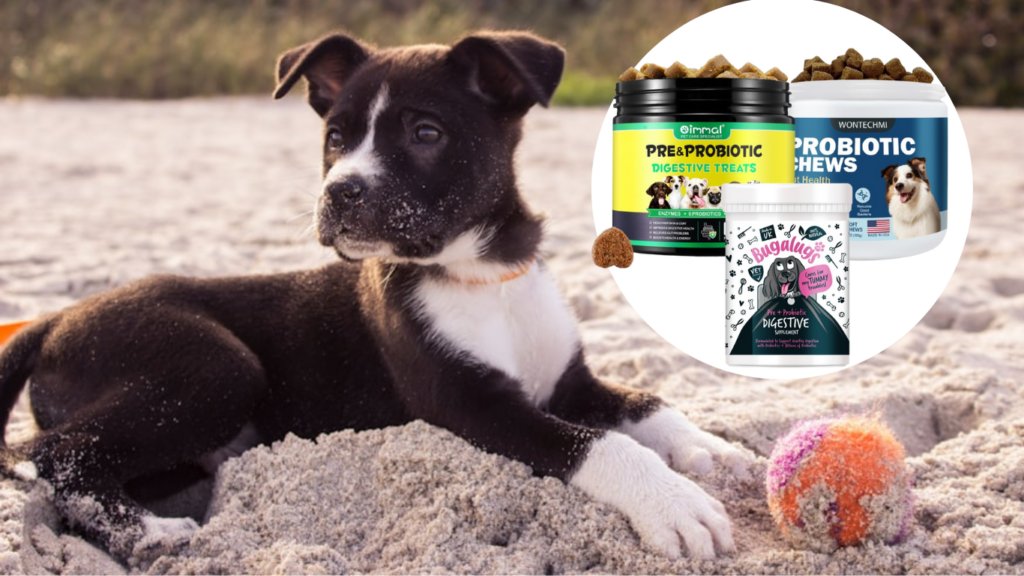
- Choose Quality Products: Not all probiotic supplements are the same. Opt for high-quality products formulated specifically for dogs, and ensure they are free from harmful additives.
- Consult Your Veterinarian: Before introducing probiotics, it’s best to consult with your veterinarian. They can recommend the appropriate strains and dosages for your dog’s specific health needs, helping to minimize risks and maximize benefits.
- Monitor Your Dog: After introducing probiotics, keep a close watch on your dog’s behavior and health. If you notice any adverse effects, stop the probiotic and consult your veterinarian.
Probiotic Side Effects in Dogs: Conclusion
Probiotic Side Effects in Dogs are an important consideration for pet owners looking to improve their pets’ health. While probiotics can provide significant health benefits for dogs, pet owners should be aware of potential side effects and take steps to ensure their pets’ safety and comfort. Probiotic Side Effects in Dogs can include gastrointestinal upset such as gas, bloating, or diarrhea, especially during the initial stages of supplementation.
Probiotics are live microorganisms that, when administered in adequate amounts, can support digestive health, strengthen the immune system, and improve overall well-being. They are especially beneficial for dogs with digestive issues, food sensitivities, or those recovering from antibiotic treatment. However, like any supplement, Probiotic Side Effects in Dogs may still occur, even with high-quality products. In rare cases, allergic reactions may occur, which could present as itching, swelling, or difficulty breathing.
To minimize Probiotic Side Effects in Dogs, pet owners should choose high-quality probiotic products specifically formulated for dogs. It’s important to read labels carefully and avoid products with unnecessary additives or low bacterial counts. Consulting a veterinarian before introducing probiotics is strongly recommended, as they can help determine the appropriate type and dosage based on the dog’s specific needs. Regular monitoring is also essential to ensure the supplement is well tolerated. When used responsibly, probiotics can be a valuable tool in promoting a healthier gut, better nutrient absorption, and overall vitality in dogs, contributing to a happier, more active life while reducing the chances of Probiotic Side Effects in Dogs.