


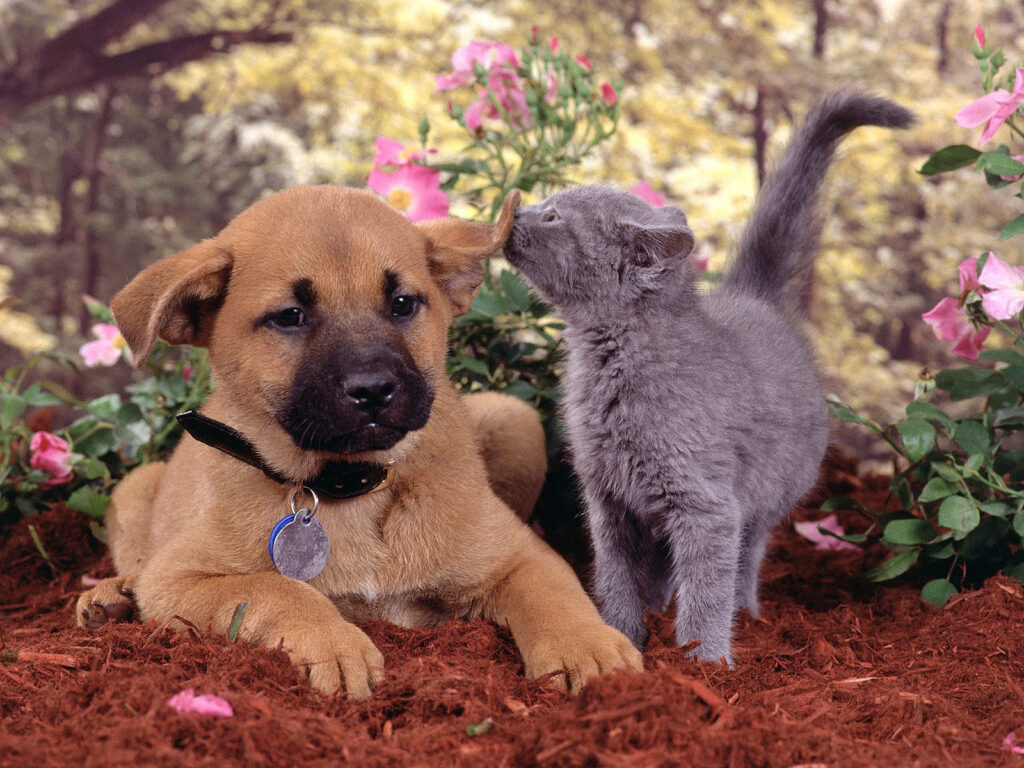


If you’re a pet owner with both a cat and a dog, you’ve likely found yourself observing their interactions and wondering about the true nature of their relationship. Do they genuinely get along, or is there a silent rivalry simmering beneath the surface? Perhaps you’ve even caught them staring at each other with what seems like intense suspicion—or playful curiosity. What My Cat Thinks of My Dog is often a mystery, but understanding it isn’t just entertaining; it can actually be essential to ensuring peace in a multi-pet household.
Cats and dogs communicate very differently, and this can lead to misunderstandings. While dogs are often social, playful, and eager to engage, cats tend to be more territorial and cautious. What My Cat Thinks of My Dog may range from curiosity to irritation, especially if boundaries are ignored. Your dog’s wagging tail and enthusiastic behavior might be interpreted by your cat as threatening or annoying. Conversely, your cat’s aloofness or swatting may simply be their way of establishing personal space rather than outright hostility. This, again, is part of understanding What My Cat Thinks of My Dog in various everyday situations.
Over time, many cats and dogs do learn to coexist peacefully, and some even become unlikely best friends. Their relationship often depends on early socialization, individual personalities, and how you, as their owner, manage their environment. Observing their behavior closely can give you clues into What My Cat Thinks of My Dog—and how you can help them live harmoniously. Paying attention to What My Cat Thinks of My Dog might just be the key to creating a calm, cooperative home for both pets.
Initial Reactions
When a cat and a dog first meet, their initial reactions can vary widely. Cats are typically cautious and territorial, while dogs are often more social and curious. Your cat’s first impression of your dog will depend on several factors:
- Temperament of Both Animals: A calm, laid-back dog may be less intimidating to a cat, while a high-energy, boisterous dog might be more alarming.
- Previous Experiences: If your cat has had positive experiences with dogs in the past, they may be more accepting. Conversely, a history of negative interactions can lead to fear or aggression.
- Introduction Process: Gradual and controlled introductions are crucial. Allowing the cat to observe the dog from a safe distance can help ease anxiety and promote a smoother adjustment period.
Perception of the Dog
Cats perceive their environment and other animals through a combination of visual, olfactory, and auditory cues. Here are some ways cats might interpret the presence of a dog:
- Threat Assessment: Cats are naturally cautious and may initially see the dog as a potential threat. They will observe the dog’s behavior closely, assessing whether the dog is aggressive, friendly, or indifferent.
- Curiosity: Over time, curiosity may take over as the cat becomes more comfortable. They might approach the dog to sniff and investigate, gradually becoming more familiar and less fearful.
- Territorial Concerns: Cats are territorial creatures. They may be concerned about sharing their space and resources (like food, water, and favorite resting spots) with the dog. Territorial marking, such as rubbing and scratching, may increase during this period.


Social Dynamics
The social dynamics between cats and dogs can vary significantly. Some cats and dogs become best friends, while others may simply tolerate each other’s presence. Here are some possible relationship dynamics:
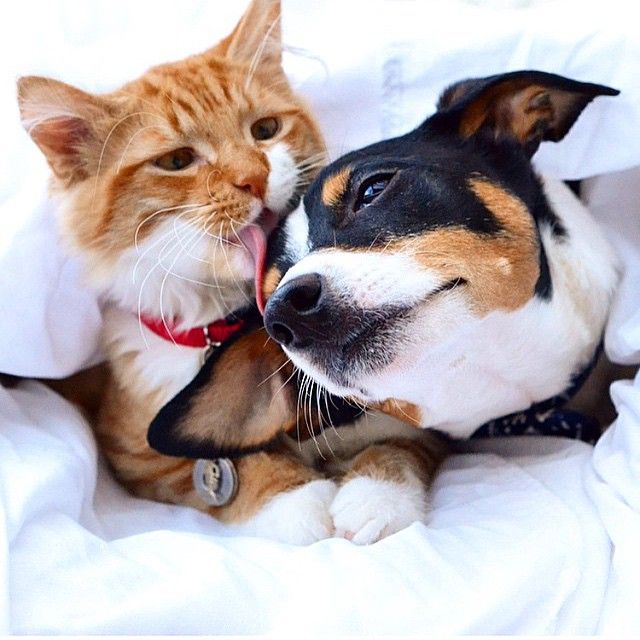
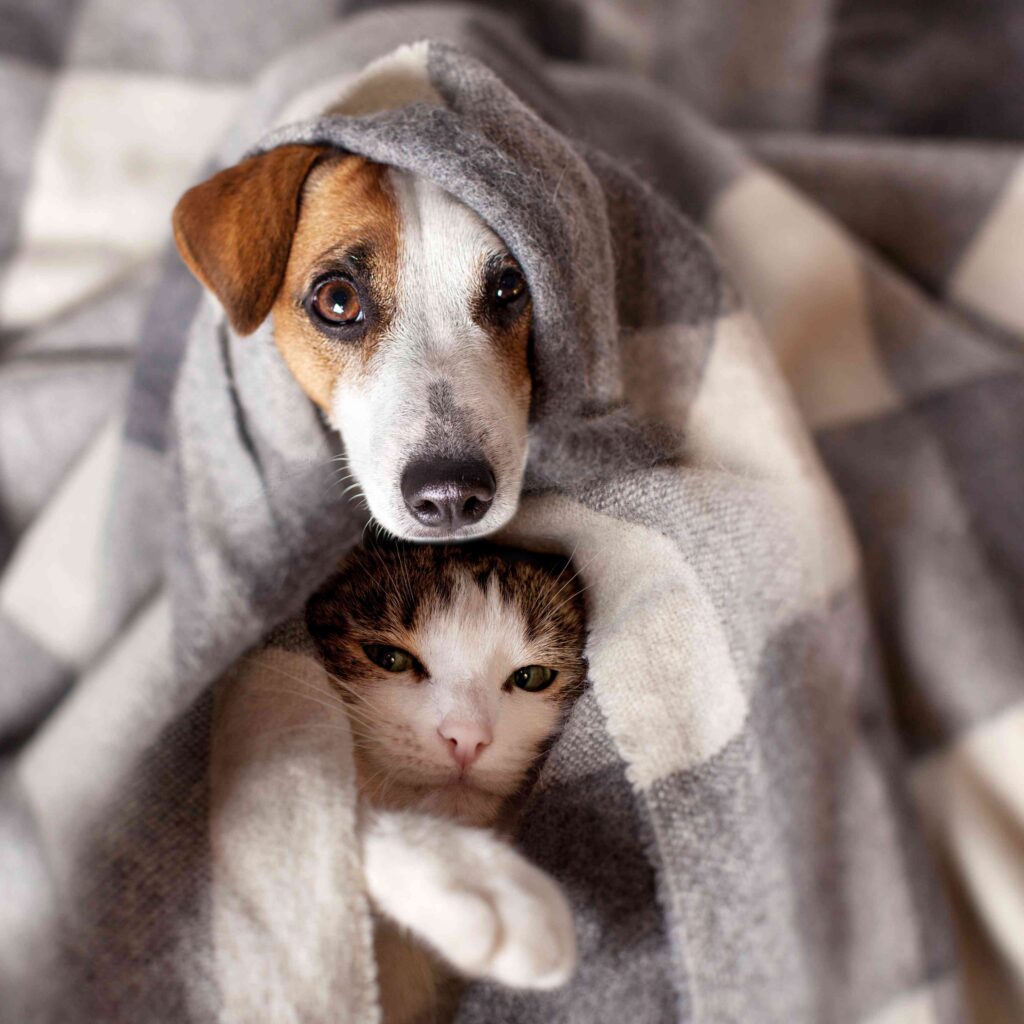
- Friendship: Some cats and dogs develop close bonds, engaging in play, grooming each other, and even sleeping together. This bond often forms when both animals are introduced at a young age or have compatible personalities.
- Tolerance: In many households, cats and dogs learn to coexist peacefully without forming a close bond. They may respect each other’s space and avoid conflict, leading to a harmonious, if somewhat distant, relationship.
- Conflict: In some cases, cats and dogs may have ongoing conflicts, characterized by hissing, growling, or even physical altercations. This situation requires careful management to ensure the safety and well-being of both pets.
Behavioral Indicators
To understand what your cat thinks of your dog, observe their behavior closely. Here are some key indicators:
- Body Language: A relaxed cat with ears forward, tail up, and body in a comfortable position is likely at ease with the dog. Conversely, flattened ears, a puffed-up tail, or an arched back indicate fear or aggression.
- Vocalizations: Hissing, growling, or yowling are signs of distress or aggression. Purring and soft meows, on the other hand, can indicate contentment.
- Interactions: Positive interactions, such as mutual grooming, play, or sleeping near each other, suggest a good relationship. Avoidance or aggressive behavior indicates underlying tension or fear.
Building a Positive Relationship
If your cat and dog are not getting along, there are steps you can take to improve their relationship:
- Controlled Introductions: Gradually introduce your pets in controlled settings. Use barriers like baby gates to allow them to see and smell each other without direct contact.
- Positive Reinforcement: Reward both pets with treats and praise for calm and positive behavior around each other.
- Safe Spaces: Ensure your cat has plenty of high perches and hiding spots where they can retreat if they feel threatened.
- Supervision: Always supervise interactions until you are confident that both animals can coexist peacefully.
- Separate Resources: Provide separate feeding areas, litter boxes, and resting spots to reduce competition and territorial disputes.
Understanding what your cat thinks of your dog involves observing their behavior, interpreting their body language, and considering their past experiences and personalities. While some cats and dogs may become fast friends, others may require time and patience to develop a peaceful coexistence. By providing a safe and supportive environment, you can help foster a positive relationship between your feline and canine companions, ensuring a harmonious multi-pet household.